

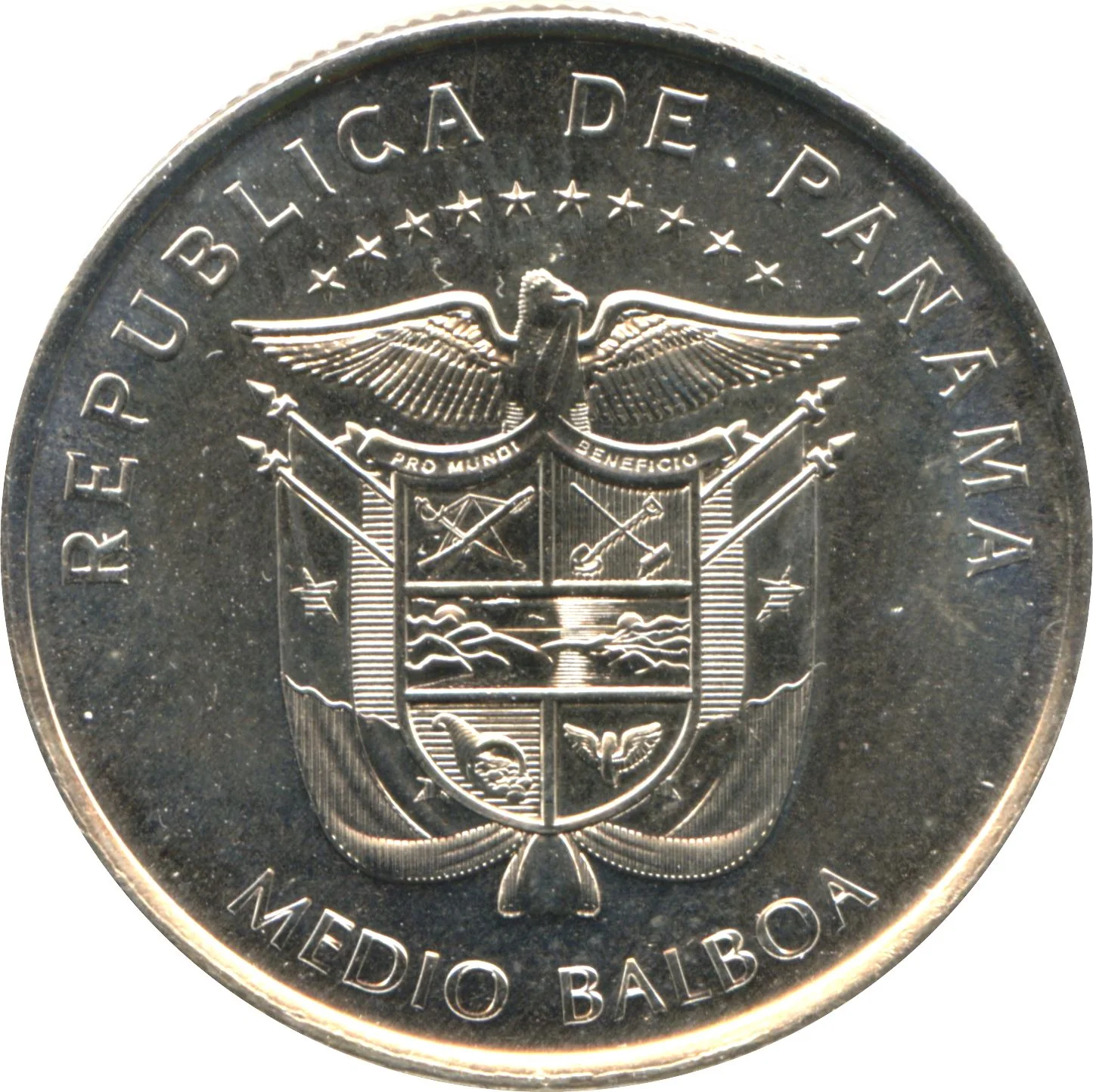
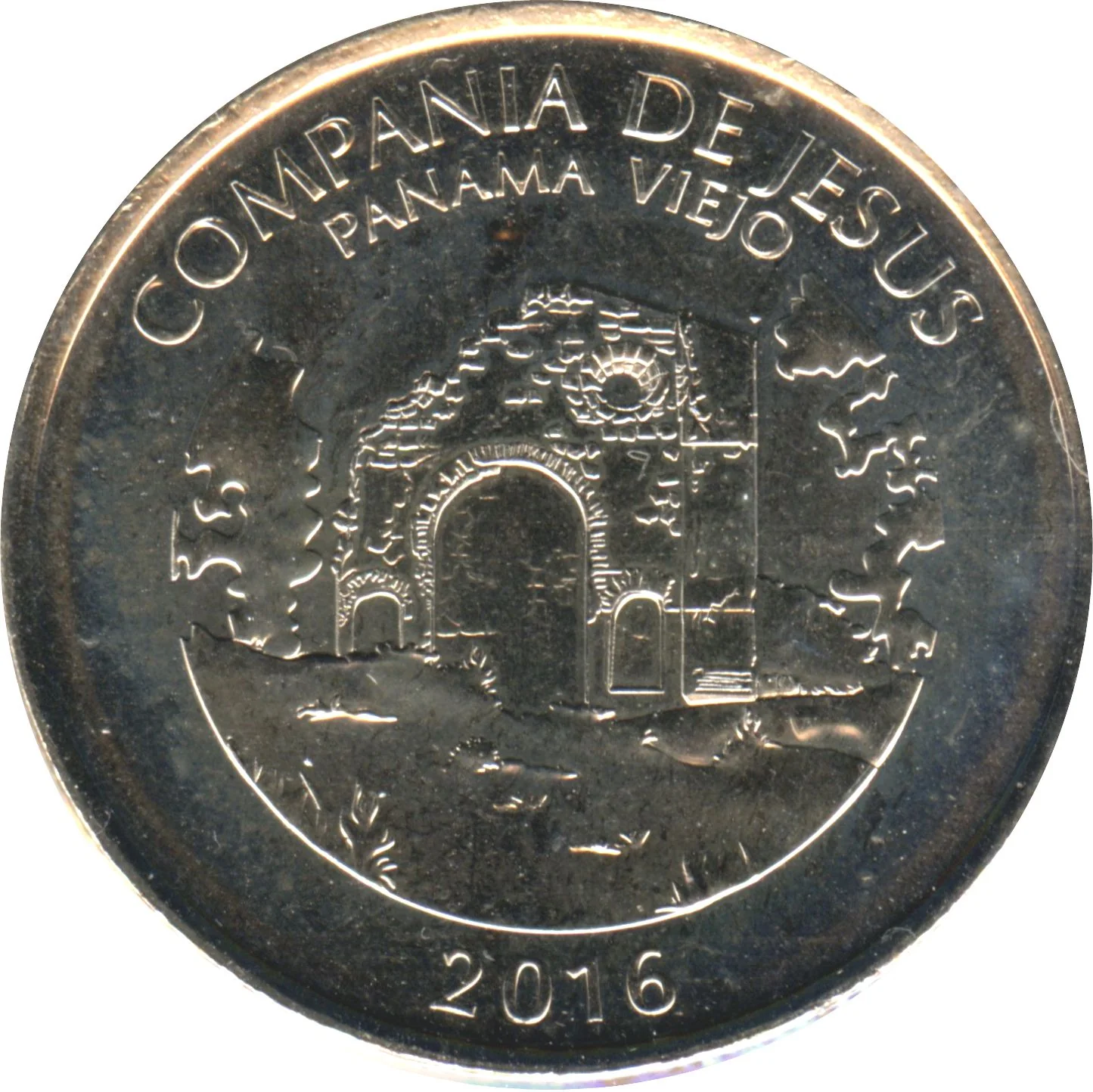
½ balboa – Panama
Add to wishlist
Circulating commemorative coins
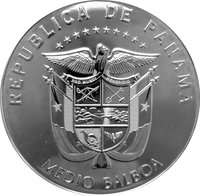
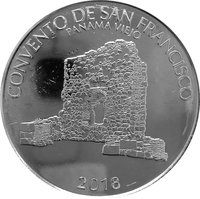
Commemoration: Monumental Historical Set of Panama Viejo.
Series: Panama Viejo
Panama
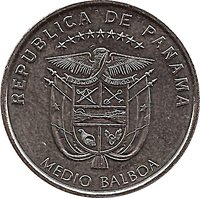
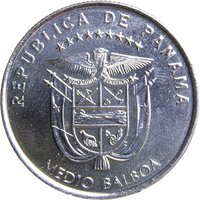
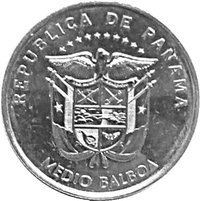
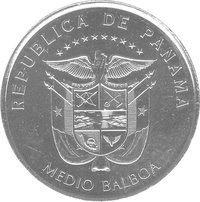
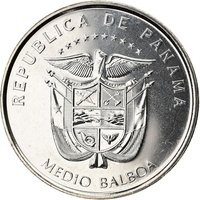
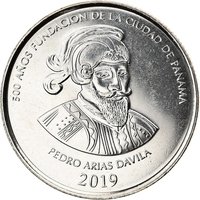
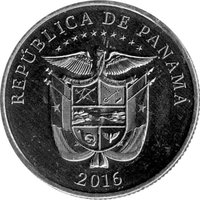
Obverse
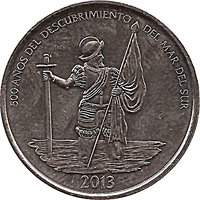
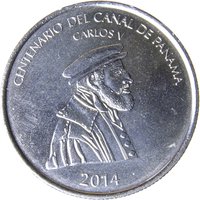
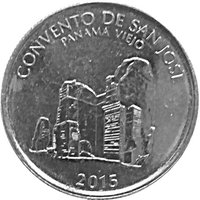
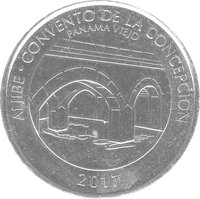
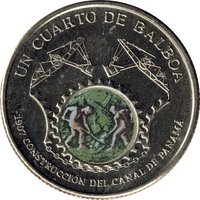
Reverse
Edge
Reeded
Categories
| Building> Religious building |
| Symbols> Coat of Arms |
Mints
| Name | Mark |
|---|---|
| Royal Canadian Mint of Winnipeg | — |
Mintings
| Year | Mint Mark | Mintage | Quality | Collection |
|---|---|---|---|---|
| 2016 | — | 3,000,000 |
Historical background
Panama’s currency situation in 2016 was defined by its unique and long-standing dual-currency system, with the US dollar and the Panamanian balboa coexisting. The country has used the US dollar as its de facto currency since independence in 1904, a arrangement formalized in the monetary agreement of 1904. The Panamanian balboa exists only in coin form, pegged at a 1:1 parity with the dollar, while all paper currency is US dollars. This system provided remarkable macroeconomic stability, with no central bank and no independent monetary policy, effectively importing US monetary conditions and maintaining very low inflation.
The year 2016 saw this system operating smoothly against a backdrop of regional economic contrast. While many Latin American economies struggled with currency volatility and recession, Panama continued to experience robust GDP growth, projected near 5%, fueled by the expanded Panama Canal and large infrastructure projects. The dollarization provided a shield against the currency crises affecting neighbors like Venezuela and Brazil, ensuring stable prices and attracting foreign investment. However, it also meant Panama had no ability to adjust interest rates or devalue its currency to counteract economic slowdowns, placing the full burden of adjustment on fiscal policy and wage flexibility.
A key development in 2016 was the completion of Panama’s removal from the Financial Action Task Force’s (FATF) "grey list" in February, after addressing strategic deficiencies in its anti-money laundering and counter-terrorist financing frameworks. This was a significant milestone, as it reduced perceived risks for international banking and finance, a cornerstone of the Panamanian economy. The year was also marked by the aftermath of the "Panama Papers" leak in April, which, while not directly altering the currency regime, triggered intense international scrutiny on the country's financial services sector and prompted discussions about transparency, though the fundamental dollar-based economy remained unchanged.
The year 2016 saw this system operating smoothly against a backdrop of regional economic contrast. While many Latin American economies struggled with currency volatility and recession, Panama continued to experience robust GDP growth, projected near 5%, fueled by the expanded Panama Canal and large infrastructure projects. The dollarization provided a shield against the currency crises affecting neighbors like Venezuela and Brazil, ensuring stable prices and attracting foreign investment. However, it also meant Panama had no ability to adjust interest rates or devalue its currency to counteract economic slowdowns, placing the full burden of adjustment on fiscal policy and wage flexibility.
A key development in 2016 was the completion of Panama’s removal from the Financial Action Task Force’s (FATF) "grey list" in February, after addressing strategic deficiencies in its anti-money laundering and counter-terrorist financing frameworks. This was a significant milestone, as it reduced perceived risks for international banking and finance, a cornerstone of the Panamanian economy. The year was also marked by the aftermath of the "Panama Papers" leak in April, which, while not directly altering the currency regime, triggered intense international scrutiny on the country's financial services sector and prompted discussions about transparency, though the fundamental dollar-based economy remained unchanged.
Series: Panama Viejo
🌱 Fairly Common