

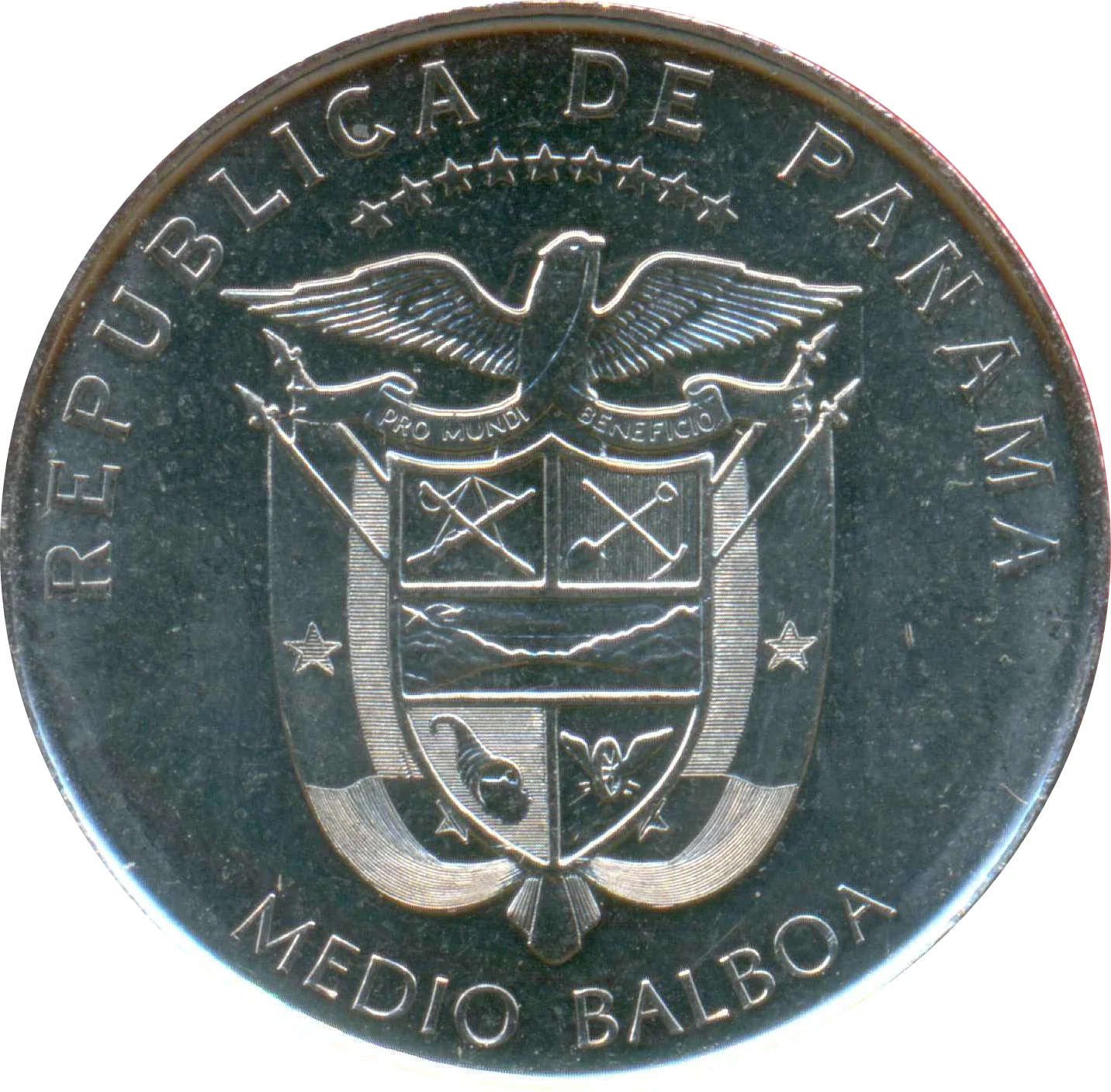
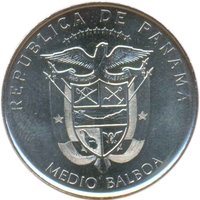
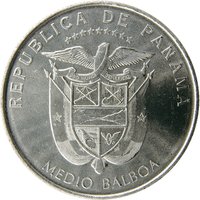
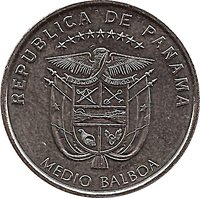
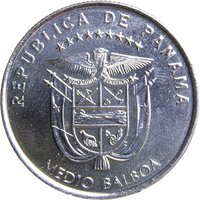
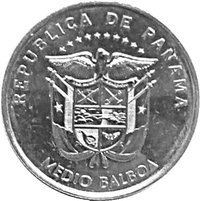
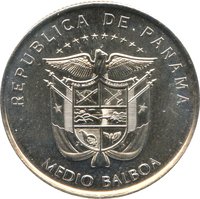
Obverse
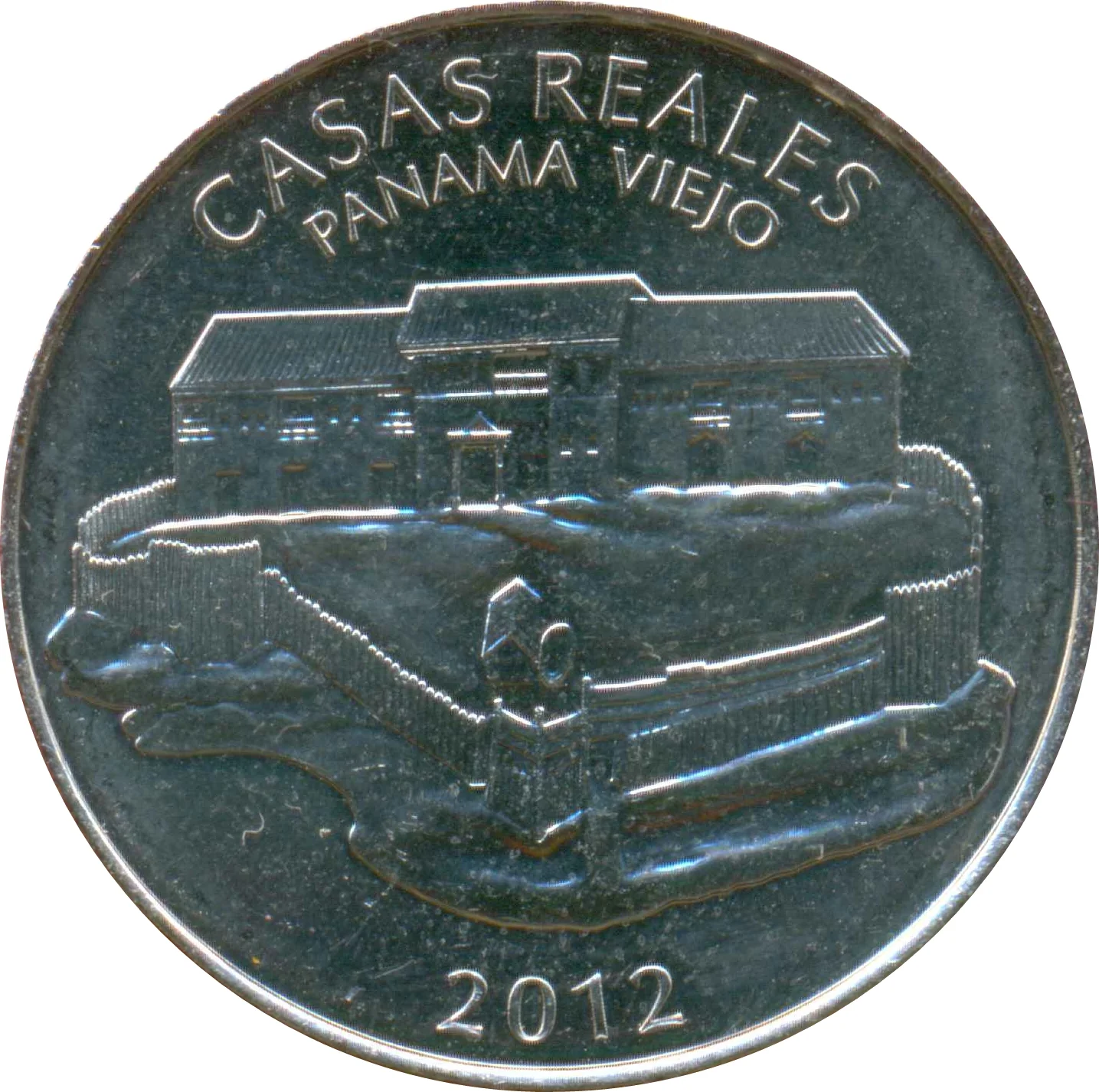
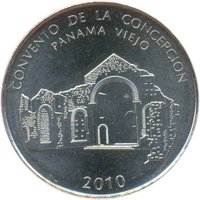
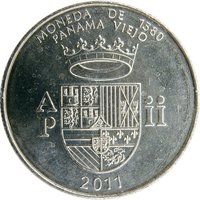
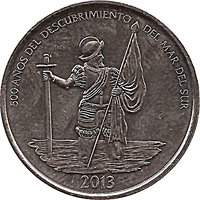
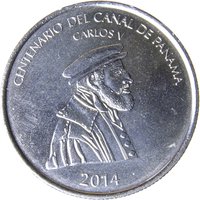
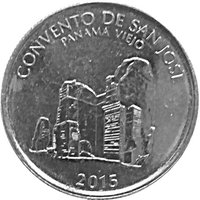
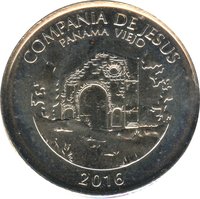
Reverse
Edge
Reeded
Categories
| Building |
| Symbols> Coat of Arms |
Mints
| Name | Mark |
|---|---|
| Royal Canadian Mint of Winnipeg | — |
Mintings
| Year | Mint Mark | Mintage | Quality | Collection |
|---|---|---|---|---|
| 2012 | — | 3,000,000 |
Historical background
In 2012, Panama's currency situation was defined by its unique and long-standing system of full dollarization, which had been in place since 1904. The country does not have a central bank and the US dollar is the official legal tender, used for all paper currency. This framework provided significant stability, shielding Panama from the regional currency volatility and inflationary pressures that affected many of its neighbors. The economy was booming, with GDP growth exceeding 10% that year, fueled by the expansion of the Panama Canal and a robust services sector, all transacted in the secure medium of US dollars.
Alongside the dollar, Panama also mints its own fractional currency, the Panamanian balboa, which exists only in coin form and is pegged at a strict 1:1 parity with the US dollar. In daily commerce, US dollar notes and balboa coins circulate interchangeably. This system eliminated exchange rate risk for foreign investment and simplified international trade, key factors supporting the country's role as a global logistics and banking hub. However, it also meant Panama forfeited independent monetary policy, unable to set interest rates or act as a lender of last resort during financial crises.
The primary challenge within this system in 2012 was not currency value but managing the economic overheating from rapid growth. Authorities relied on fiscal policy and banking regulation to control inflation, which remained moderate. The dollarization was widely accepted and considered a cornerstone of Panama's economic success, though economists debated its long-term constraints. The situation remained stable, with no serious political movement to alter the dollarized regime, as it continued to support confidence and growth during a period of major national infrastructure expansion.
Alongside the dollar, Panama also mints its own fractional currency, the Panamanian balboa, which exists only in coin form and is pegged at a strict 1:1 parity with the US dollar. In daily commerce, US dollar notes and balboa coins circulate interchangeably. This system eliminated exchange rate risk for foreign investment and simplified international trade, key factors supporting the country's role as a global logistics and banking hub. However, it also meant Panama forfeited independent monetary policy, unable to set interest rates or act as a lender of last resort during financial crises.
The primary challenge within this system in 2012 was not currency value but managing the economic overheating from rapid growth. Authorities relied on fiscal policy and banking regulation to control inflation, which remained moderate. The dollarization was widely accepted and considered a cornerstone of Panama's economic success, though economists debated its long-term constraints. The situation remained stable, with no serious political movement to alter the dollarized regime, as it continued to support confidence and growth during a period of major national infrastructure expansion.
Series: Panama Viejo
🌱 Fairly Common