

20 Escudos – Portugal
Portugal
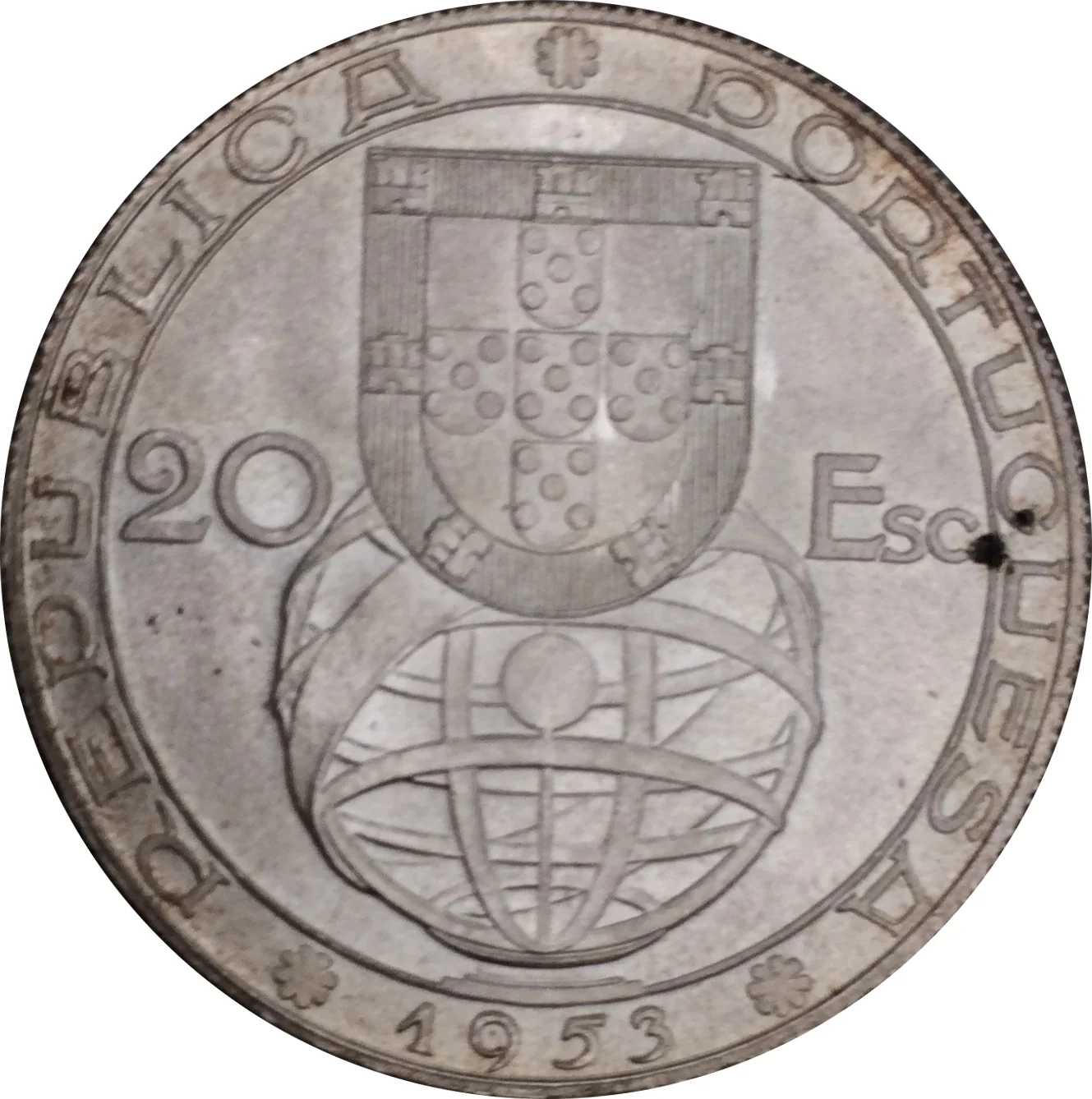
Obverse
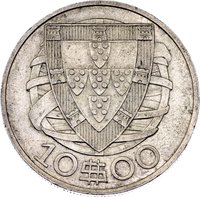
Description:
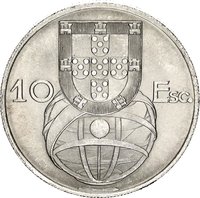
Shield over globe, value left, encircled.
Inscription:
REPUBLICA PORTUGUESA
20 Esc.
1953
20 Esc.
1953
Translation:
Portuguese Republic
20 Escudos
1953
20 Escudos
1953
Script: Latin
Language: Portuguese
Engraver: João da Silva
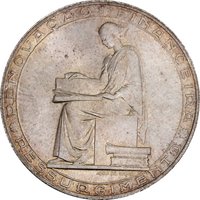
Reverse
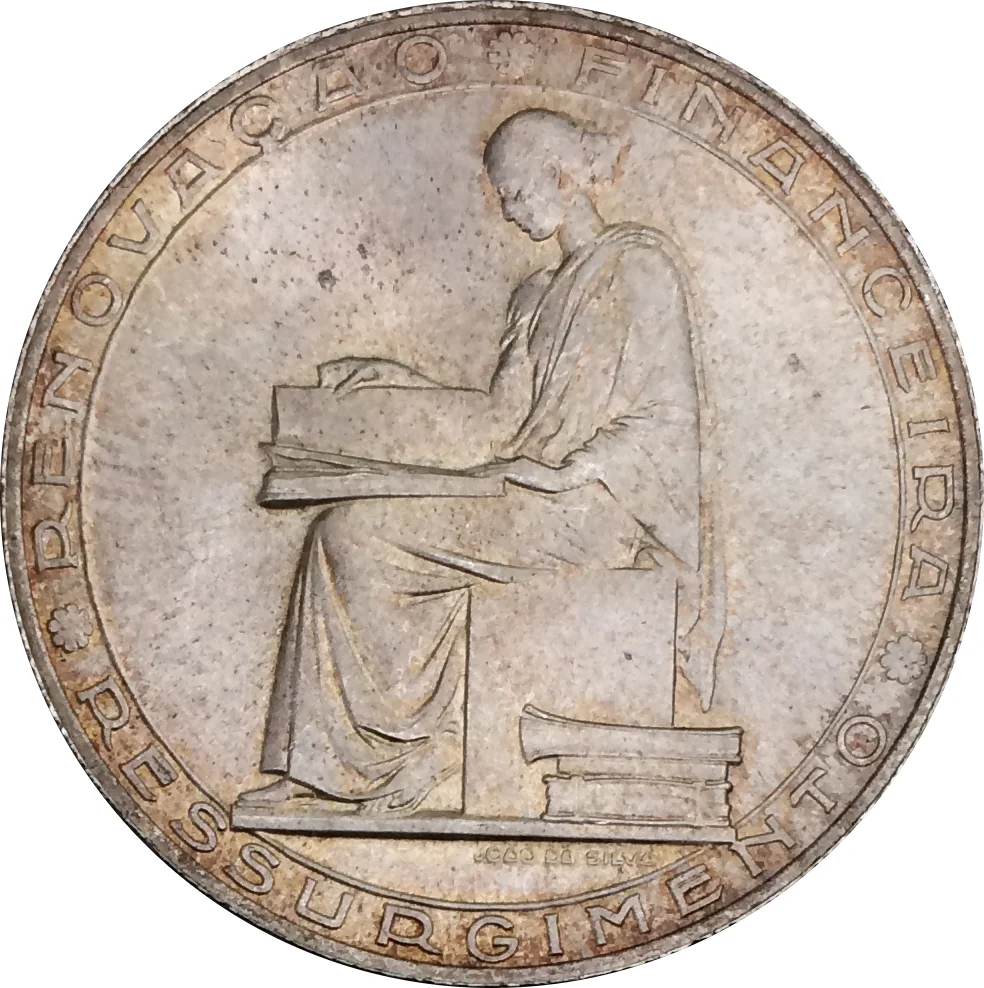
Description:
Reader facing left
Inscription:
RENOVAÇAO FINANCEIRA RESSURGIMENTO
Translation:
Financial Renewal Resurgence
Script: Latin
Language: Portuguese
Engraver: João da Silva
Edge
Reeded
Mints
| Name | Mark |
|---|---|
| Imprensa Nacional - Casa da Moeda | — |
Mintings
| Year | Mint Mark | Mintage | Quality | Collection |
|---|---|---|---|---|
| 1953 | — | 1,000,000 | ||
| 1953 | — | — | Proof |
Historical background
In 1953, Portugal's currency situation was characterized by the Escudo operating within a complex framework of strict exchange controls and a managed, multi-tiered exchange rate system. The country was under the authoritarian Estado Novo regime of António de Salazar, which prioritized economic self-sufficiency, a balanced budget, and protectionism. As a non-convertible currency, the escudo's value and foreign exchange transactions were tightly controlled by the Bank of Portugal and the Ministry of Finance to conserve foreign reserves, manage the balance of payments, and shield the domestic economy from external pressures.
The system featured multiple exchange rates for different types of transactions, creating a divergence between the official rate and the effective market value. Essential imports like fuel and machinery might receive a favorable official rate, while less critical transactions faced higher rates or were restricted. This led to the existence of a parallel black market for foreign currency, particularly U.S. dollars and pounds sterling, where the escudo traded at a significant discount. This unofficial market reflected the currency's overvaluation at the official level and was tacitly tolerated as a pressure valve for the controlled economy.
Overall, the 1953 currency regime was a tool of Salazar's corporatist and isolationist economic policy, effectively insulating Portugal from the volatile post-war international monetary scene. It supported industrialization efforts and fiscal stability but at the cost of economic flexibility, limited international trade integration, and distortions within the domestic market. The system would remain largely intact until the political upheavals of the 1974 Carnation Revolution and subsequent integration into the European monetary framework.
The system featured multiple exchange rates for different types of transactions, creating a divergence between the official rate and the effective market value. Essential imports like fuel and machinery might receive a favorable official rate, while less critical transactions faced higher rates or were restricted. This led to the existence of a parallel black market for foreign currency, particularly U.S. dollars and pounds sterling, where the escudo traded at a significant discount. This unofficial market reflected the currency's overvaluation at the official level and was tacitly tolerated as a pressure valve for the controlled economy.
Overall, the 1953 currency regime was a tool of Salazar's corporatist and isolationist economic policy, effectively insulating Portugal from the volatile post-war international monetary scene. It supported industrialization efforts and fiscal stability but at the cost of economic flexibility, limited international trade integration, and distortions within the domestic market. The system would remain largely intact until the political upheavals of the 1974 Carnation Revolution and subsequent integration into the European monetary framework.
Series: System 1927-1968
🌱 Common