

50 centavos – Portugal
Add to wishlist
Portugal
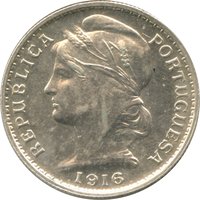
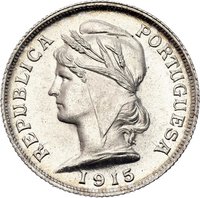
Obverse
Description:
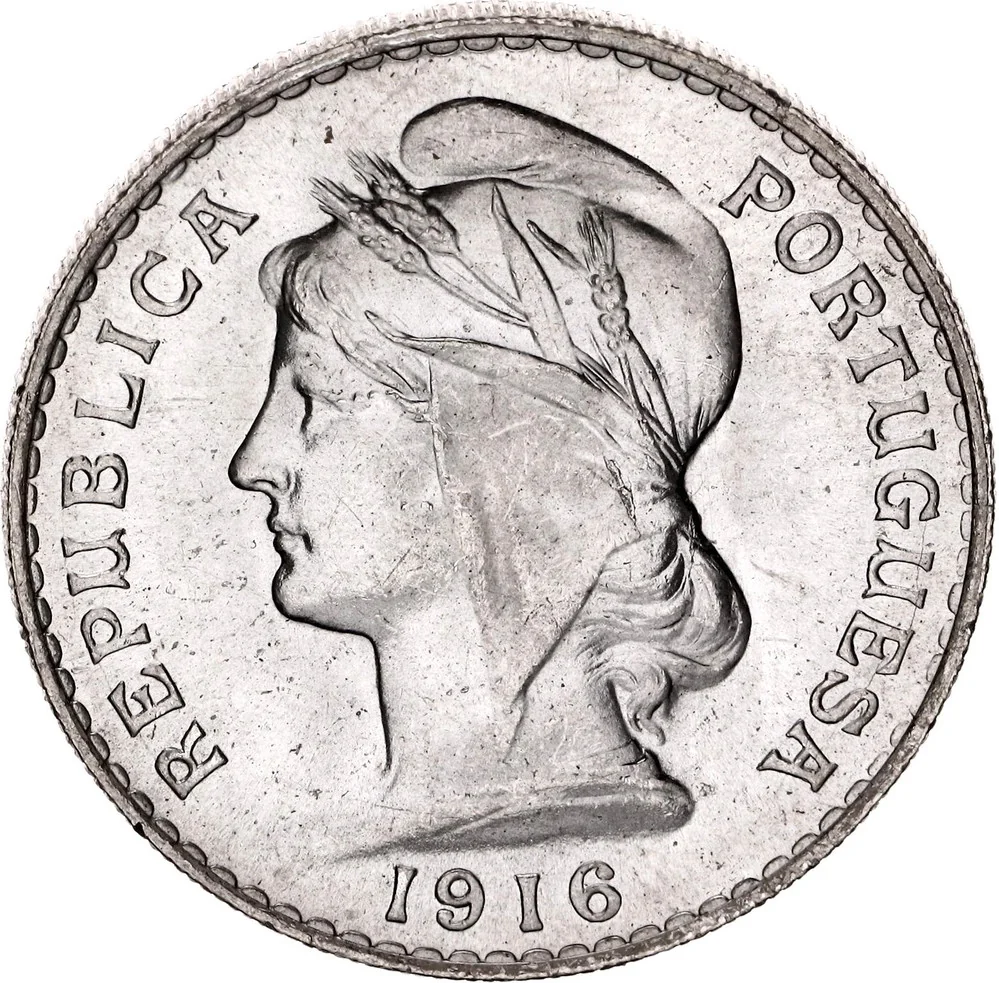
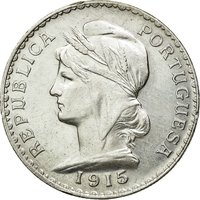
Liberty facing left.
Inscription:
REPUBLICA PORTUGUESA
1916
1916
Translation:
PORTUGUESE REPUBLIC
1916
1916
Script: Latin
Language: Portuguese
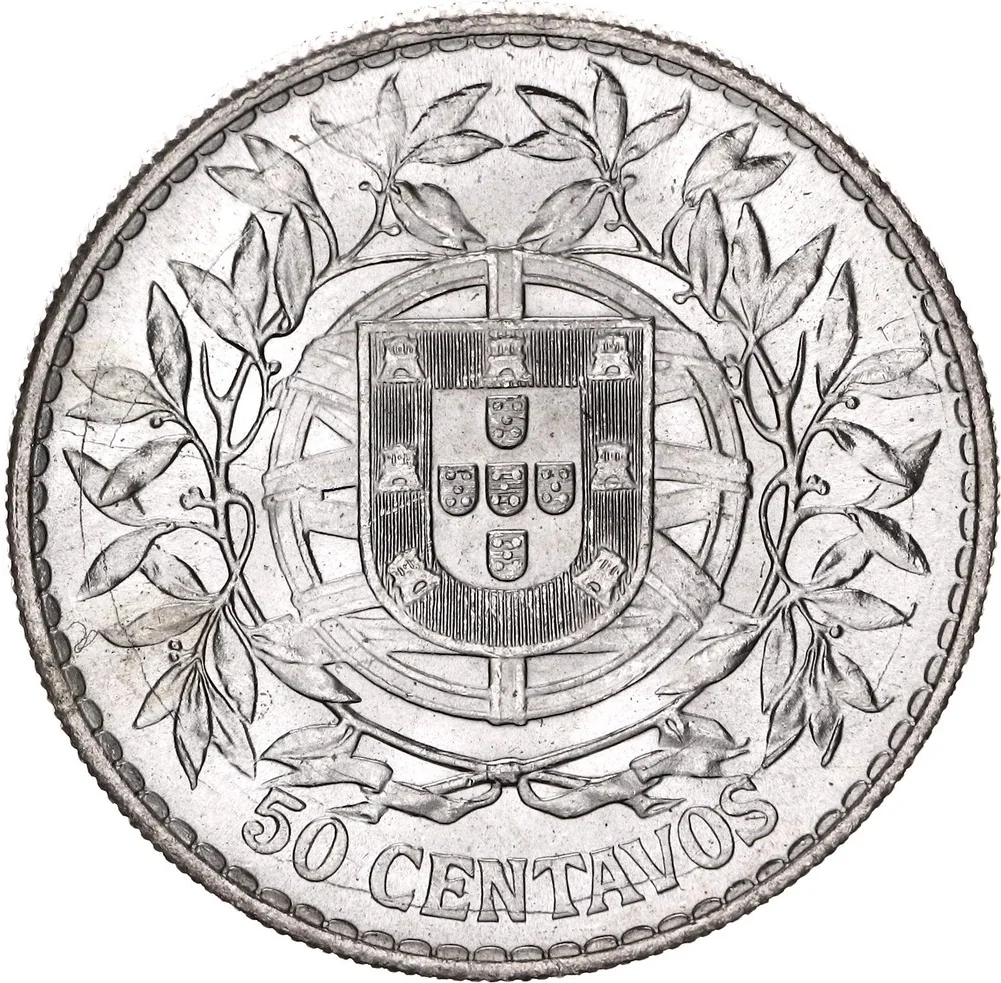
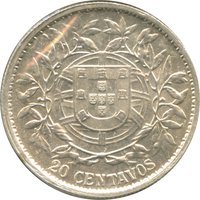
Reverse
Edge
Reeded
Mints
| Name | Mark |
|---|---|
| Imprensa Nacional - Casa da Moeda | — |
Mintings
| Year | Mint Mark | Mintage | Quality | Collection |
|---|---|---|---|---|
| 1912 | — | 1,695,000 | ||
| 1913 | — | 4,443,000 | ||
| 1914 | — | 4,992,000 | ||
| 1914 | — | — | Proof | |
| 1916 | — | 5,080,000 | ||
| 1916 | — | — | Proof |
Historical background
In 1912, Portugal’s currency situation was defined by the escudo, which had replaced the deeply devalued real just two years prior in 1910. This monetary reform was a direct initiative of the new Portuguese Republic, established after the 1910 revolution that overthrew the monarchy. The switch aimed to symbolize a break from the old regime and to provide a stable, modern currency, with 1 escudo being equal to 1,000 réis. However, the reform was largely a change in denomination rather than a solution to underlying fiscal weaknesses.
The Portuguese economy and its currency remained under significant strain. The state carried a heavy burden of public debt from the 19th century, and chronic budget deficits were often financed by borrowing from the Bank of Portugal, which had the right of note-issue. This led to persistent inflationary pressures and a lack of strong gold reserves to fully back the currency, preventing a return to the gold standard that many major economies adhered to. Consequently, the escudo's value was vulnerable and its international exchange rate was weak.
Therefore, while the escudo represented a fresh start in name, the financial landscape of 1912 was one of fragile stability. The government faced the ongoing challenge of managing debt, controlling inflation, and building confidence in the new currency amidst political turbulence. The fundamental issues of fiscal discipline and economic productivity remained unresolved, casting a long shadow over the escudo's future as Portugal navigated its early republican period.
The Portuguese economy and its currency remained under significant strain. The state carried a heavy burden of public debt from the 19th century, and chronic budget deficits were often financed by borrowing from the Bank of Portugal, which had the right of note-issue. This led to persistent inflationary pressures and a lack of strong gold reserves to fully back the currency, preventing a return to the gold standard that many major economies adhered to. Consequently, the escudo's value was vulnerable and its international exchange rate was weak.
Therefore, while the escudo represented a fresh start in name, the financial landscape of 1912 was one of fragile stability. The government faced the ongoing challenge of managing debt, controlling inflation, and building confidence in the new currency amidst political turbulence. The fundamental issues of fiscal discipline and economic productivity remained unresolved, casting a long shadow over the escudo's future as Portugal navigated its early republican period.
Series: System 1912-1916
🌱 Common