

10 Centavos – Guatemala
Guatemala
Context
Material
References
KM: #Click to copy to clipboard271.1
Numista: #8135
Value
Exchange value: 0.10 GTQ
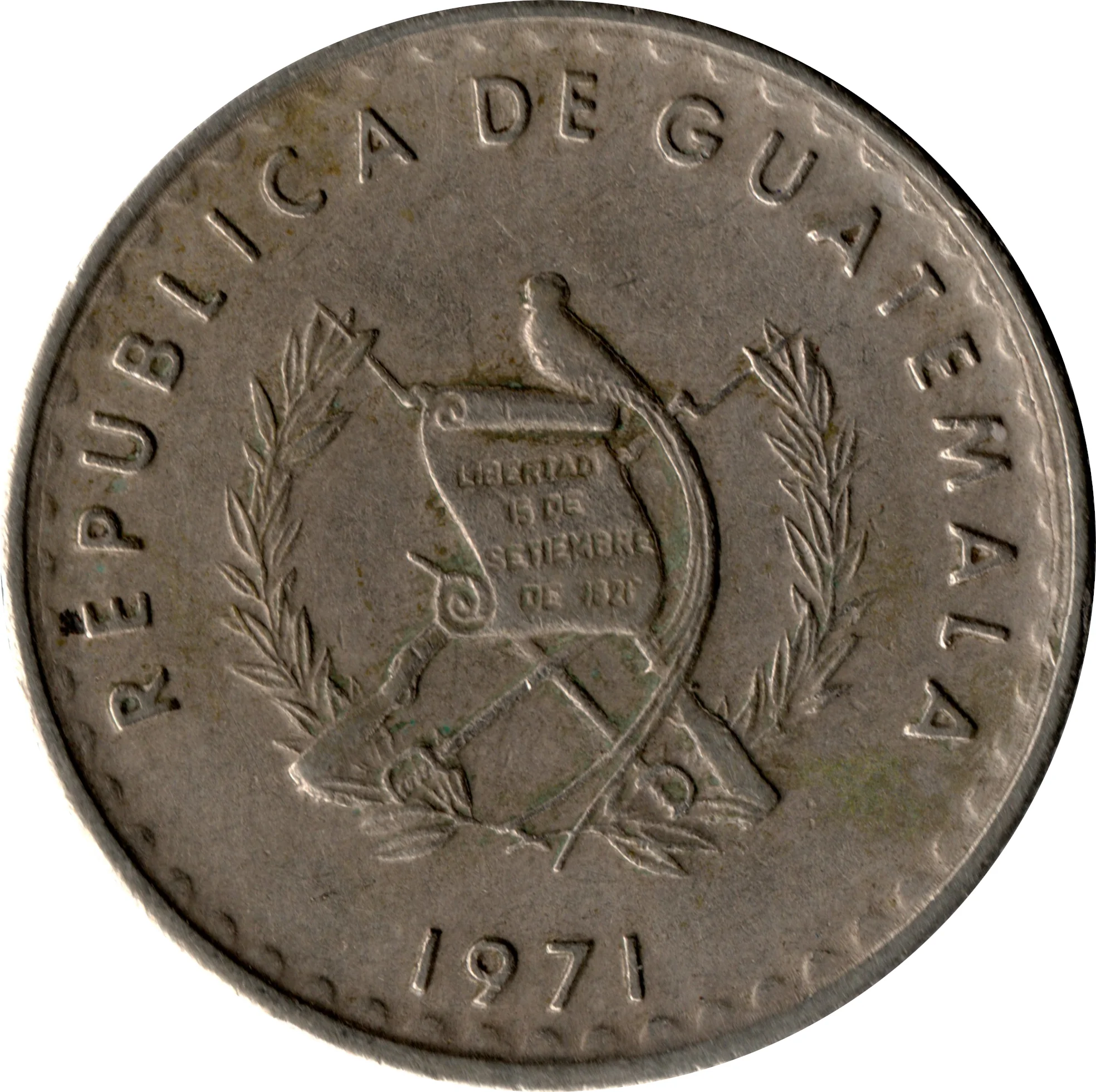
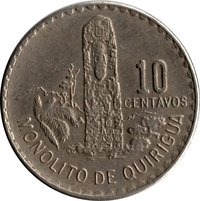
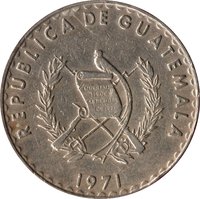
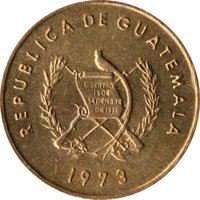
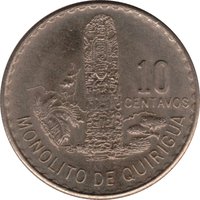
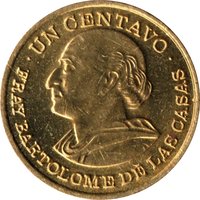
Obverse
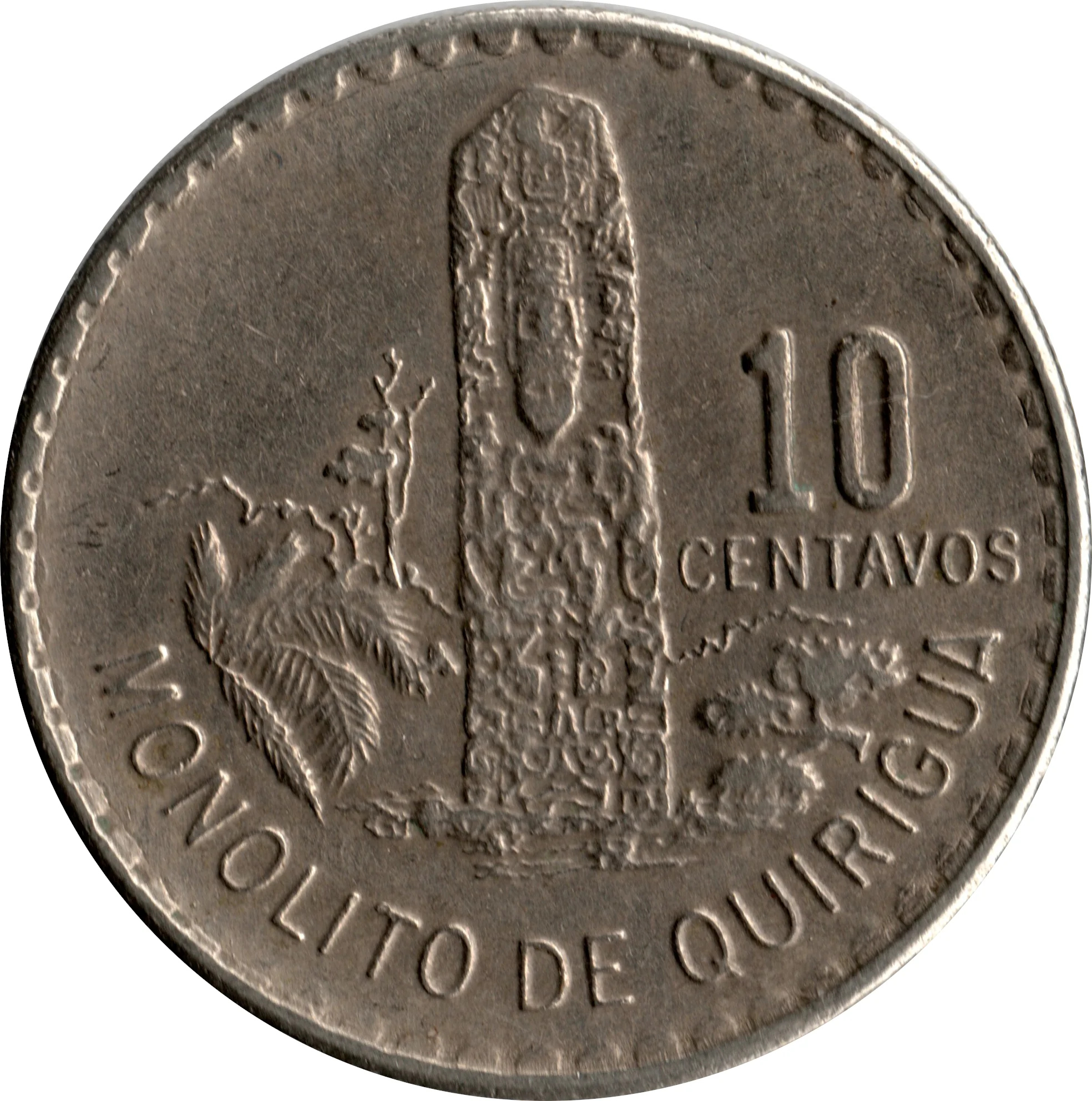
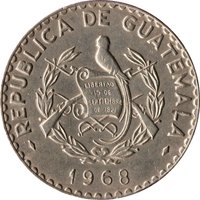
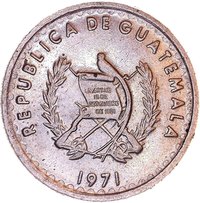
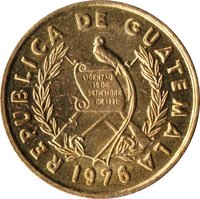
Reverse
Edge
Reeded
Categories
| Art> Sculpture |
| Symbols> Coat of Arms |
Mints
| Name | Mark |
|---|---|
| Casa de Moneda de Guatemala | — |
Mintings
| Year | Mint Mark | Mintage | Quality | Collection |
|---|---|---|---|---|
| 1971 | — | 4,580,000 | ||
| 1973 | — | — |
Historical background
In 1971, Guatemala's currency situation was characterized by relative stability under the long-standing fixed exchange rate regime of the quetzal (GTQ), which was pegged to the United States dollar at a 1:1 parity. This system, established in 1925, was a point of national pride and a symbol of monetary discipline. The peg was managed by the Bank of Guatemala, which held sufficient international reserves, primarily from traditional agricultural exports like coffee, cotton, and sugar, to defend the parity. This stability fostered confidence for domestic business and foreign investment, insulating the economy from the currency volatility seen elsewhere in Latin America.
However, this surface-level stability masked underlying structural economic weaknesses and growing pressures. The economy remained overly dependent on a few primary commodities, making it vulnerable to terms-of-trade shocks. Furthermore, the fixed exchange rate, combined with a higher domestic inflation rate than that of the U.S., began to slowly erode Guatemala's export competitiveness. This overvaluation encouraged imports and contributed to a gradual widening of the trade deficit, a pressure that would intensify in the coming years. The regime also limited the central bank's ability to use monetary policy for domestic economic management.
Politically, the country was under the authoritarian rule of President Carlos Arana Osorio (1970-1974), whose administration prioritized counterinsurgency and order over major economic reform. Consequently, in 1971 there was no political will to alter the cherished quetzal-dollar peg, despite the emerging economic strains. The focus remained on maintaining the status quo, deferring the inevitable adjustments. The fundamental imbalances, however, set the stage for the severe economic crises and difficult devaluations that would finally disrupt the historic parity in the 1980s.
However, this surface-level stability masked underlying structural economic weaknesses and growing pressures. The economy remained overly dependent on a few primary commodities, making it vulnerable to terms-of-trade shocks. Furthermore, the fixed exchange rate, combined with a higher domestic inflation rate than that of the U.S., began to slowly erode Guatemala's export competitiveness. This overvaluation encouraged imports and contributed to a gradual widening of the trade deficit, a pressure that would intensify in the coming years. The regime also limited the central bank's ability to use monetary policy for domestic economic management.
Politically, the country was under the authoritarian rule of President Carlos Arana Osorio (1970-1974), whose administration prioritized counterinsurgency and order over major economic reform. Consequently, in 1971 there was no political will to alter the cherished quetzal-dollar peg, despite the emerging economic strains. The focus remained on maintaining the status quo, deferring the inevitable adjustments. The fundamental imbalances, however, set the stage for the severe economic crises and difficult devaluations that would finally disrupt the historic parity in the 1980s.
Series: System: 1965-1997
🌱 Common