

2 Euro (Flag of the European Union) – Ireland
Circulating commemorative coins
Commemoration: 30th Anniversary of the Flag of the European Union
Series: EU Flag
Ireland
Obverse
Description:
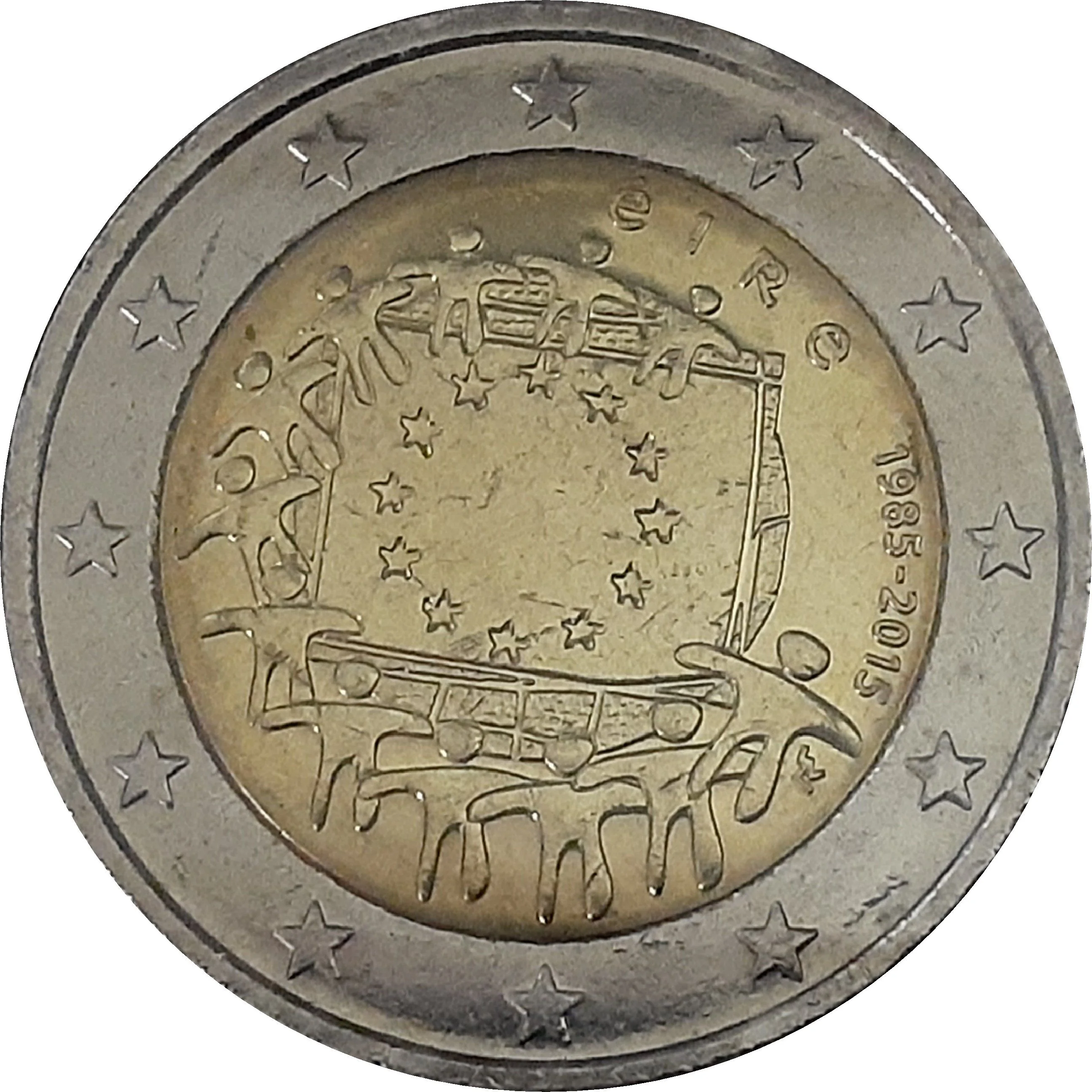
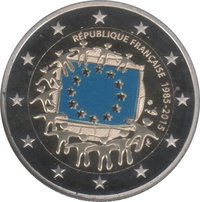
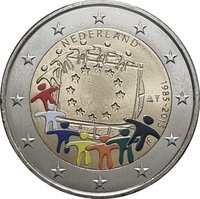
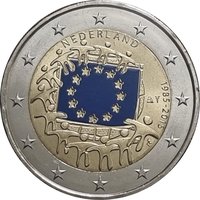
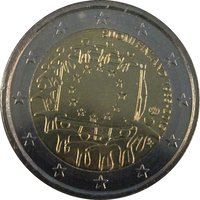
The design features the EU flag, with its twelve stars becoming figures embracing a new Europe. It includes the issuing country and years ‘1985-2015’ at the top right, the artist's initials (Georgios Stamatopoulos) at the bottom right, and the EU stars on the coin's outer ring.
Inscription:
éIRe
1985-2015
ΓΣ
1985-2015
ΓΣ
Translation:
IRELAND
1985-2015
30
1985-2015
30
Script: Latin
Engraver: Geórgios Stamatópoulos
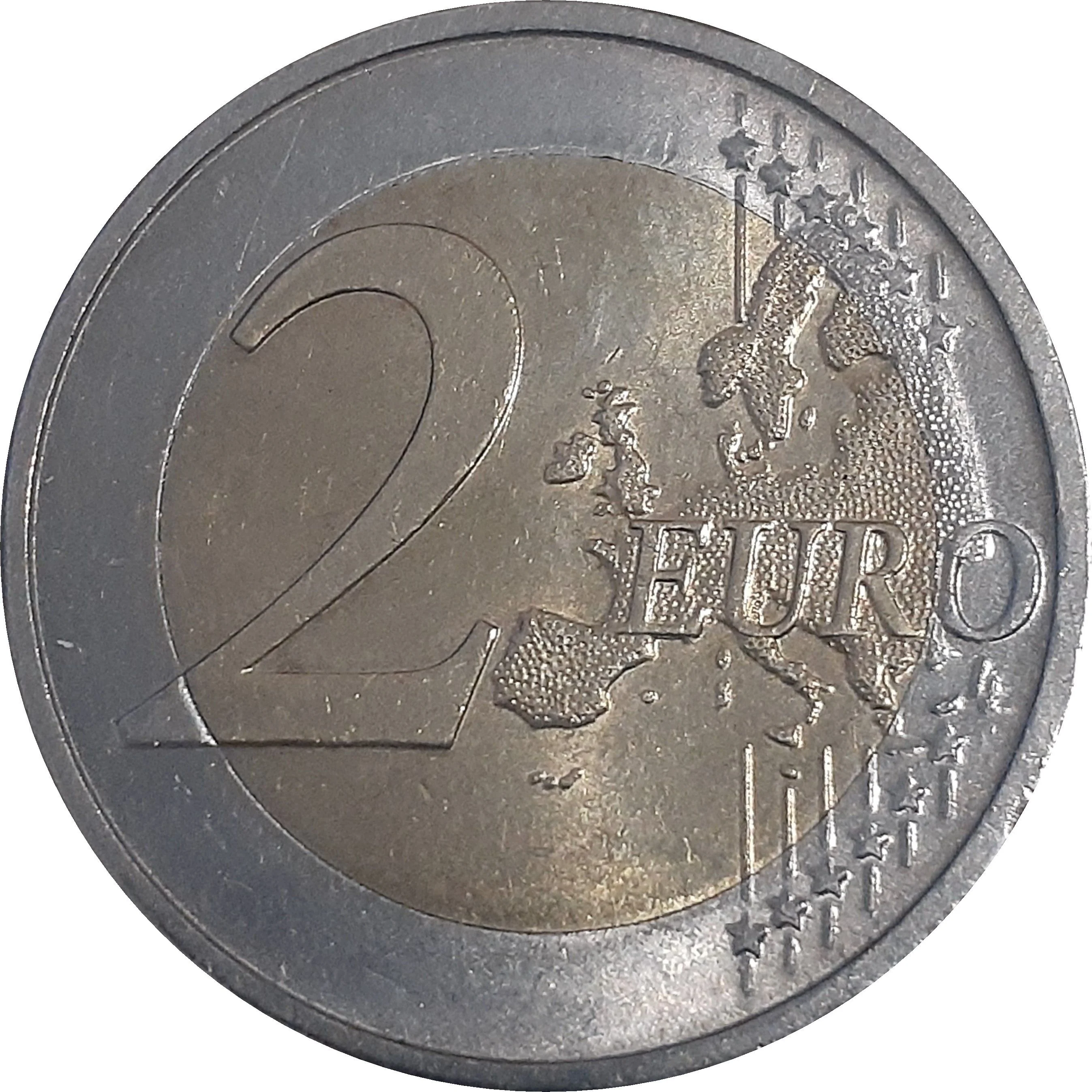
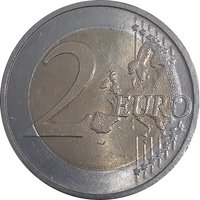
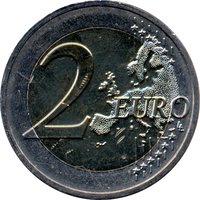
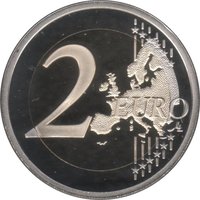
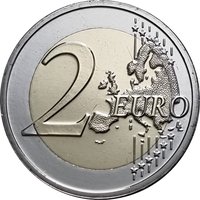
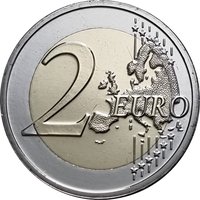
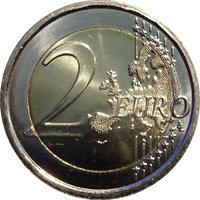
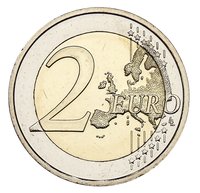
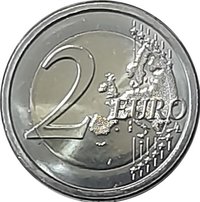
Reverse
Edge
Legend:
2 * * 2 * * 2 * * 2 * * 2 * * 2 * *
Mintings
| Year | Mint Mark | Mintage | Quality | Collection |
|---|---|---|---|---|
| 2015 | — | 999,000 | ||
| 2015 | — | 1,000 | Proof |
Historical background
In 2015, Ireland remained a committed member of the Eurozone, using the euro (€) as its official currency since its adoption in 1999. The broader context was one of post-crisis recovery and stabilization. The country had successfully exited its three-year EU-IMF bailout program in December 2013 and was experiencing strong GDP growth, dubbed the "Celtic Phoenix." This economic rebound was bolstered by foreign direct investment, a competitive export sector, and domestic demand, all functioning within the stable monetary framework provided by the European Central Bank (ECB).
The currency situation was largely defined by the ECB's expansive monetary policy aimed at the entire Eurozone. In 2015, the ECB launched a full-scale quantitative easing (QE) program to combat deflationary risks and stimulate the economy. For Ireland, this meant continued low interest rates, which helped ease the burden of both public and private debt but also contributed to rising asset prices, particularly in the Dublin property market. The weak euro exchange rate, a deliberate outcome of ECB policy, further benefited Ireland's significant export-oriented sectors.
Domestically, there was no serious political debate about leaving the euro, as the currency was seen as a cornerstone of financial stability and a key marker of Ireland's place in Europe. However, economic discussions focused on the challenges of sharing a monetary policy not tailored specifically to Ireland's rapidly growing economy. Concerns included potential overheating and the management of banking sector legacy issues, all while operating under the ECB's one-size-fits-all regime. Thus, Ireland's currency situation in 2015 was one of a nation prospering within the euro system, while navigating the shared benefits and constraints of a common currency.
The currency situation was largely defined by the ECB's expansive monetary policy aimed at the entire Eurozone. In 2015, the ECB launched a full-scale quantitative easing (QE) program to combat deflationary risks and stimulate the economy. For Ireland, this meant continued low interest rates, which helped ease the burden of both public and private debt but also contributed to rising asset prices, particularly in the Dublin property market. The weak euro exchange rate, a deliberate outcome of ECB policy, further benefited Ireland's significant export-oriented sectors.
Domestically, there was no serious political debate about leaving the euro, as the currency was seen as a cornerstone of financial stability and a key marker of Ireland's place in Europe. However, economic discussions focused on the challenges of sharing a monetary policy not tailored specifically to Ireland's rapidly growing economy. Concerns included potential overheating and the management of banking sector legacy issues, all while operating under the ECB's one-size-fits-all regime. Thus, Ireland's currency situation in 2015 was one of a nation prospering within the euro system, while navigating the shared benefits and constraints of a common currency.
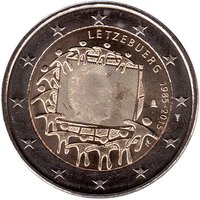
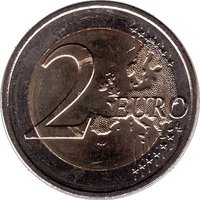
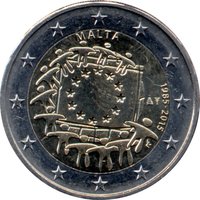
Series: Ireland 2 euro commemoratives
🌱 Very Common