

2 euro – Malta
Add to wishlist
Circulating commemorative coins
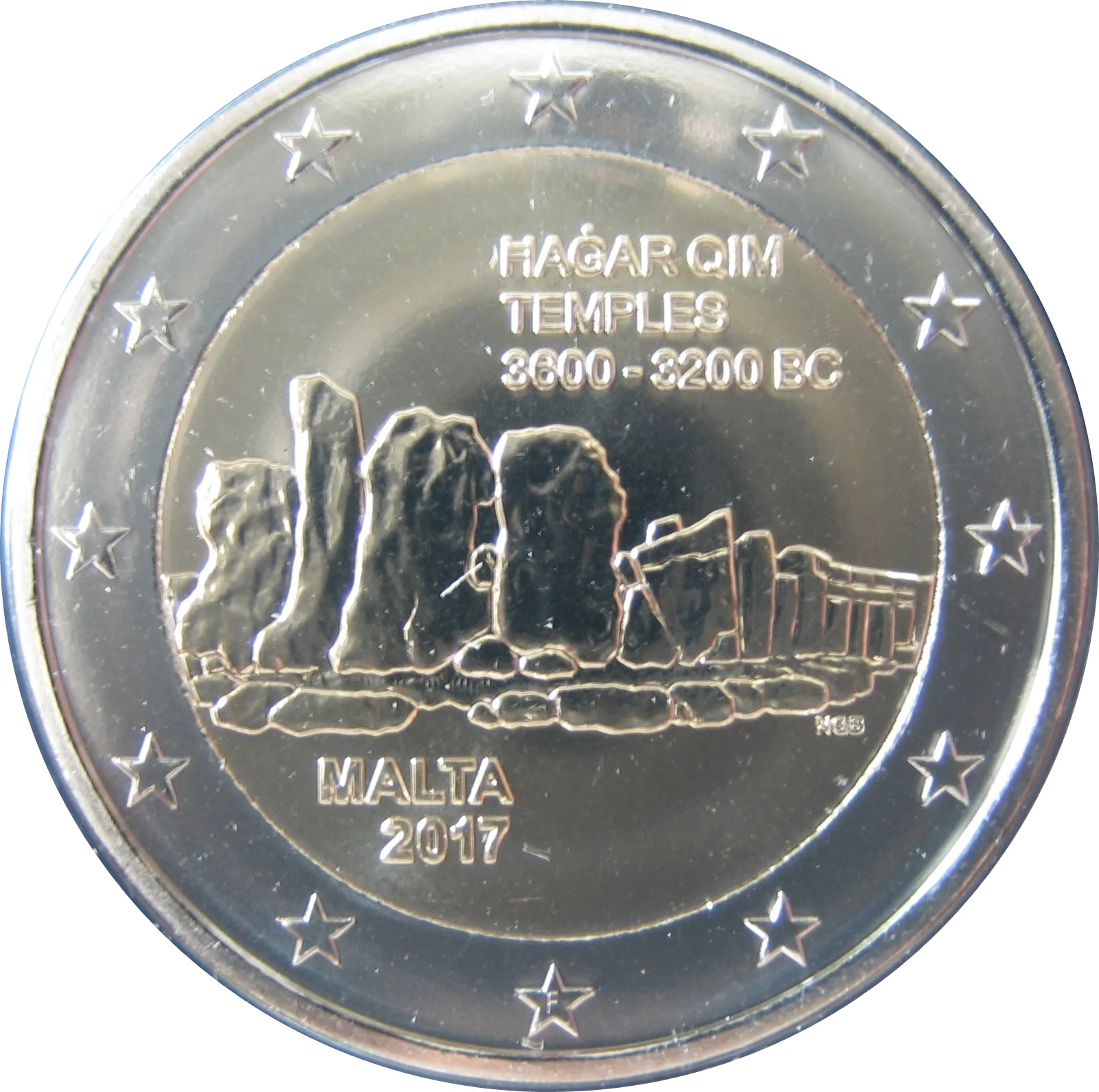
Commemoration: Ħaġar Qim Temples.
Series: Malta's Prehistoric Monuments
Malta
Obverse
Description:
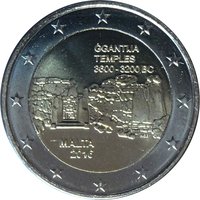
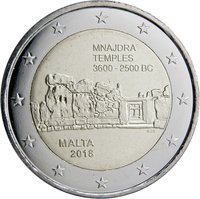
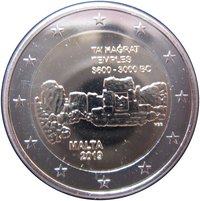
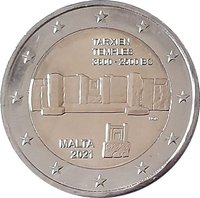
The coin shows the Ħaġar Qim Temples on a ridge overlooking Malta's south-west coast. Inscriptions include 'Ħaġar Qim TEMPLES' and '3600-3200 BC' at top right, and 'MALTA' and '2017' at bottom left.
Inscription:
ĦAĠAR QIM TEMPLES
3600 - 3200 BC
MALTA
2017
NGB
F
3600 - 3200 BC
MALTA
2017
NGB
F
Translation:
Ħaġar Qim Temples
3600 - 3200 BC
Malta
2017
NGB
3600 - 3200 BC
Malta
2017
NGB
Script: Latin
Engraver: Noel Galea Bason
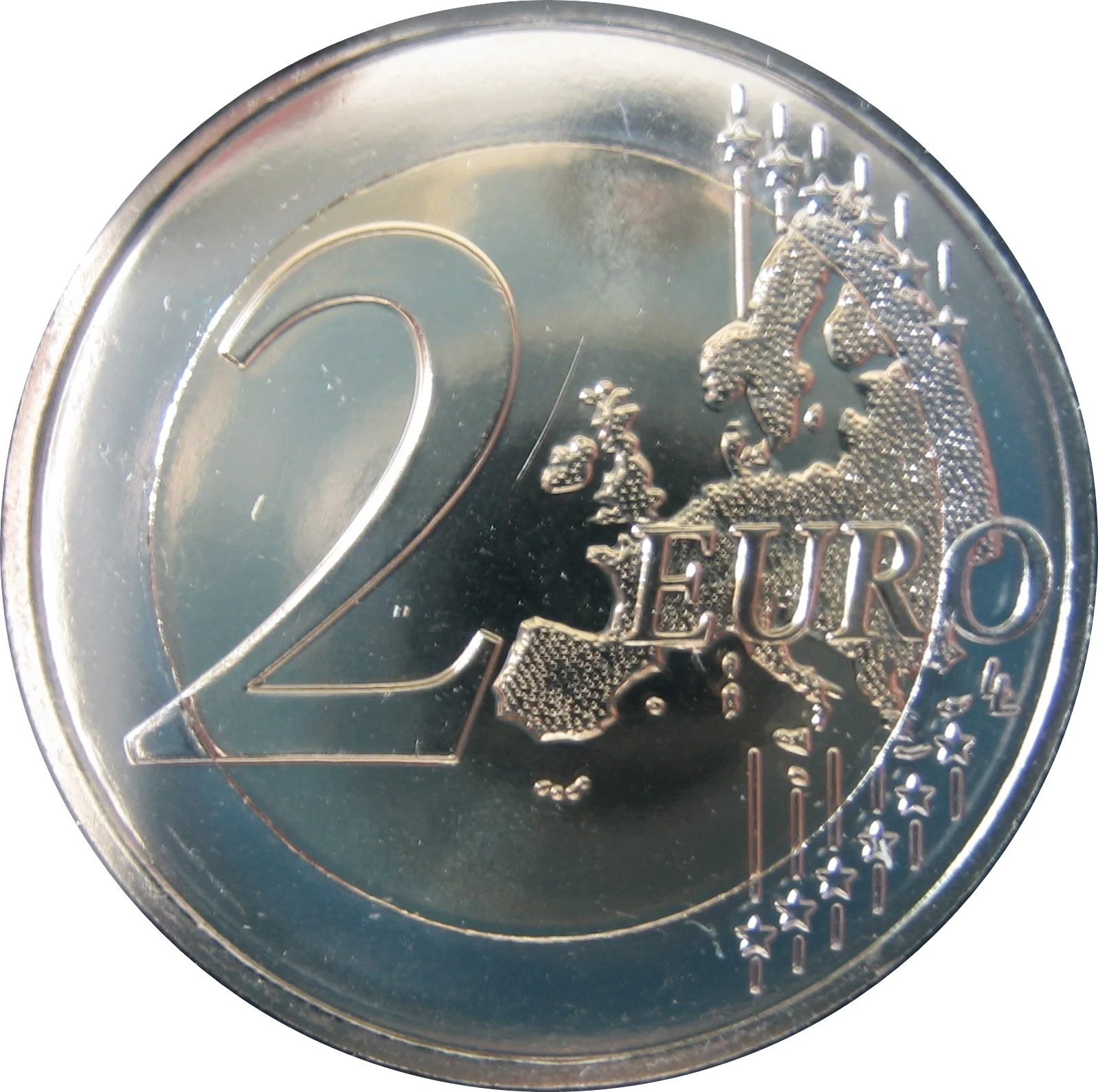
Reverse
Edge
Legend:
2✠✠2✠✠2✠✠2✠✠2✠✠2✠✠
Categories
| Building> Religious building |
| Map |
Mints
| Name | Mark |
|---|---|
| Monnaie de Paris | — |
| Monnaie de Paris | F |
Mintings
| Year | Mint Mark | Mintage | Quality | Collection |
|---|---|---|---|---|
| 2017 | F | 25,000 | BU | |
| 2017 | — | 350,000 |
Historical background
In 2017, Malta's currency situation was defined by its stable and well-integrated position within the Eurozone. Having adopted the euro on 1 January 2008, the Maltese lira was a decade in the past, and the country was fully operating with the common European currency. This meant that Malta's monetary policy was set by the European Central Bank (ECB), which in 2017 continued its historically low interest rates and quantitative easing programme to stimulate the euro area economy following the sovereign debt crisis. For Malta, this translated into favourable borrowing costs and monetary stability, supporting its rapidly growing economy.
The year was significant as Malta held the rotating Presidency of the Council of the European Union in the first half of 2017, which further cemented its core role in Eurozone affairs. Domestically, the currency environment was characterised by robust economic performance, with Malta boasting one of the highest GDP growth rates and lowest unemployment levels in the EU. This strong economic backdrop, coupled with the stability of the euro, bolstered confidence in the financial sector, attracted foreign investment, and supported a booming property market and a growing igaming and financial services industry.
However, the euro's strength on international markets in 2017 presented a mixed picture. While it increased the purchasing power of Maltese consumers and businesses for imports and foreign travel, it also posed a mild challenge for export competitiveness and the critical tourism sector, making Malta relatively more expensive for visitors from outside the Eurozone. Overall, the currency situation in 2017 was one of embedded stability and Eurozone alignment, providing a solid foundation for the nation's exceptional economic growth during that period.
The year was significant as Malta held the rotating Presidency of the Council of the European Union in the first half of 2017, which further cemented its core role in Eurozone affairs. Domestically, the currency environment was characterised by robust economic performance, with Malta boasting one of the highest GDP growth rates and lowest unemployment levels in the EU. This strong economic backdrop, coupled with the stability of the euro, bolstered confidence in the financial sector, attracted foreign investment, and supported a booming property market and a growing igaming and financial services industry.
However, the euro's strength on international markets in 2017 presented a mixed picture. While it increased the purchasing power of Maltese consumers and businesses for imports and foreign travel, it also posed a mild challenge for export competitiveness and the critical tourism sector, making Malta relatively more expensive for visitors from outside the Eurozone. Overall, the currency situation in 2017 was one of embedded stability and Eurozone alignment, providing a solid foundation for the nation's exceptional economic growth during that period.
Series: Malta's Prehistoric Monuments
Series: Malta 2 euro commemoratives
🌱 Very Common