

2 Euro – Malta
Circulating commemorative coins
Commemoration: The Role of the Malta Community Chest Fund in Society: Solidarity through Love.
Malta
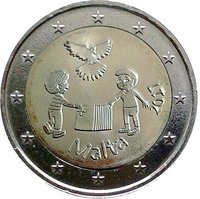
Obverse
Description:
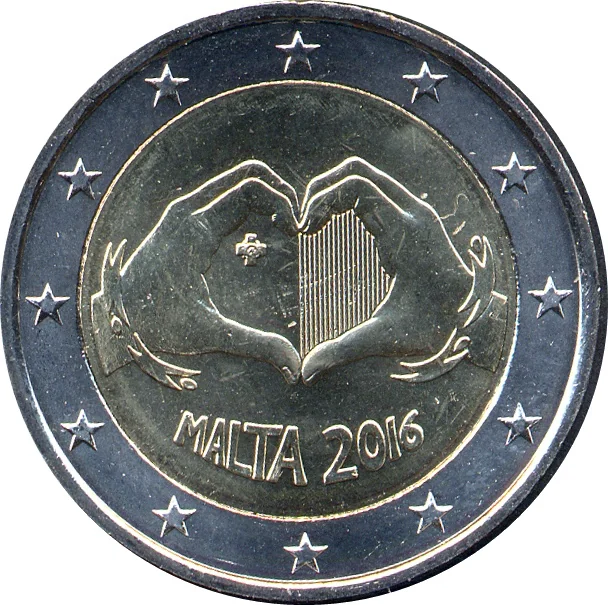
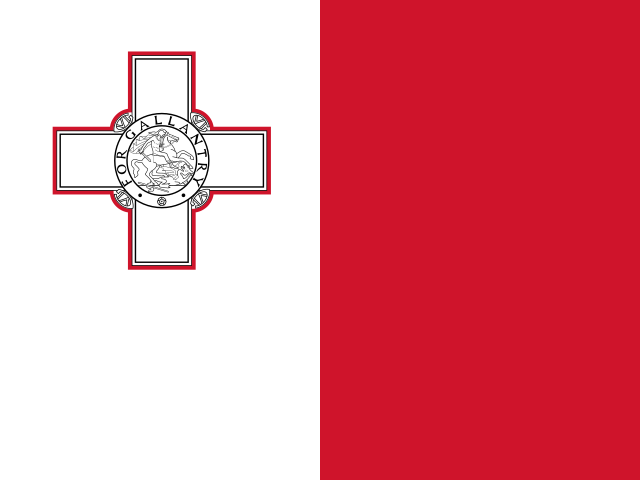
This coin commemorates the Malta Community Chest Fund's 'From Children in Solidarity' school programme. Designed by student Sarah Cilia, it features two hands forming a heart that displays the Maltese flag, with stylized figures on the wrists. The inscription 'MALTA 2016' appears at the bottom, and the coin's outer ring bears the 12 stars of the European Union.
Inscription:
MALTA
2016
2016
Script: Latin
Engravers: Sarah Cilia, Noel Galea Bason
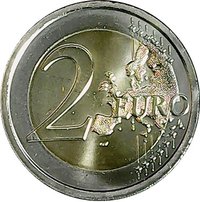
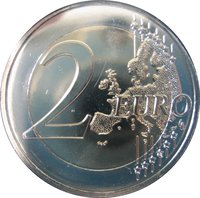
Reverse
Edge
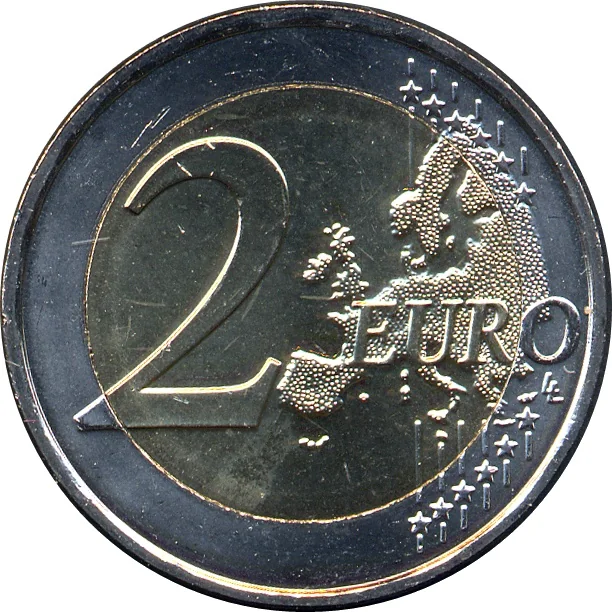
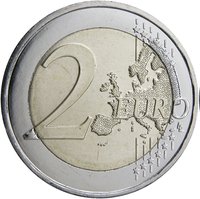
Reeded with inscription: six times a "2" and two Maltese crosses.
Legend:
2 ✠✠ 2 ✠✠ 2 ✠✠ 2 ✠✠ 2 ✠✠ 2 ✠✠
Mints
| Name | Mark |
|---|---|
| Monnaie de Paris | — |
Mintings
| Year | Mint Mark | Mintage | Quality | Collection |
|---|---|---|---|---|
| 2016 | — | 30,000 | BU | |
| 2016 | — | 350,000 |
Historical background
In 2016, Malta was firmly integrated into the Eurozone, having adopted the euro as its official currency on 1 January 2008. Consequently, the country's monetary policy was entirely set by the European Central Bank (ECB), with the Central Bank of Malta acting as a national member within the Eurosystem. The year was characterised by the ECB's ongoing accommodative measures, including historically low interest rates and a quantitative easing programme, aimed at stimulating inflation and growth across the euro area following the sovereign debt crisis. For Malta, this environment supported continued access to cheap credit and helped sustain its strong economic performance, which consistently featured one of the highest growth rates and lowest unemployment levels in the EU.
Domestically, the currency situation was stable, with no debate or movement towards reverting to the Maltese lira. The public and businesses were fully accustomed to using the euro, and the economy was reaping significant benefits from the currency's stability and elimination of exchange rate risk within its key trading partners. However, a persistent topic of discussion, as in many Eurozone nations, was the perceived downside of price level adjustments following the changeover, with some sectors of the public still attributing general price increases to the euro adoption itself rather than broader economic trends.
Looking externally, 2016 was a year of significant currency volatility for Malta's key non-Eurozone partners, notably the United Kingdom following its Brexit referendum in June. The sharp depreciation of the British pound sterling against the euro had a direct and notable impact on Malta's tourism and property sectors, which traditionally attract significant British investment and visitors. This external shock highlighted Malta's vulnerability to exchange rate fluctuations of major trading partners, even while its own currency position within the Eurozone remained solid and unchallenged.
Domestically, the currency situation was stable, with no debate or movement towards reverting to the Maltese lira. The public and businesses were fully accustomed to using the euro, and the economy was reaping significant benefits from the currency's stability and elimination of exchange rate risk within its key trading partners. However, a persistent topic of discussion, as in many Eurozone nations, was the perceived downside of price level adjustments following the changeover, with some sectors of the public still attributing general price increases to the euro adoption itself rather than broader economic trends.
Looking externally, 2016 was a year of significant currency volatility for Malta's key non-Eurozone partners, notably the United Kingdom following its Brexit referendum in June. The sharp depreciation of the British pound sterling against the euro had a direct and notable impact on Malta's tourism and property sectors, which traditionally attract significant British investment and visitors. This external shock highlighted Malta's vulnerability to exchange rate fluctuations of major trading partners, even while its own currency position within the Eurozone remained solid and unchallenged.
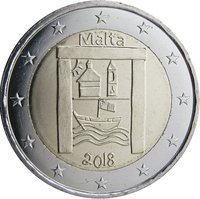
Series: Malta 2 euro commemoratives
🌱 Very Common