

2 Euro – Malta
Circulating commemorative coins
Commemoration: Temples of Skorba.
Series: Malta's Prehistoric Monuments
Malta
Obverse
Description:
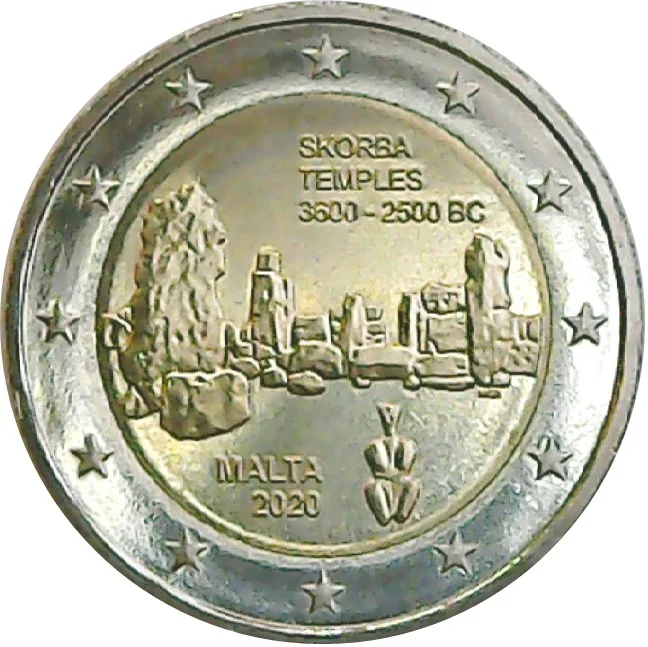
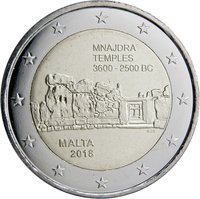
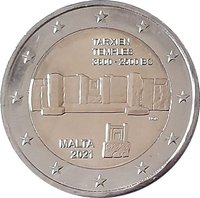
Skorba, a prehistoric temple complex near Zebbiegh, Malta, consists of two adjacent temples built upon an older settlement. Though less monumental than other Maltese temples, it was crucial for establishing the islands' prehistoric sequence, showing habitation from around 5000 BC. The design includes the inscription 'SKORBA TEMPLES 3600-2500 BC', 'MALTA', and '2020', surrounded by the 12 stars of the European flag.
Inscription:
SKORBA
TEMPLES
3600-2500 BC
NGB
MALTA
2020
TEMPLES
3600-2500 BC
NGB
MALTA
2020
Script: Latin
Engraver: Noel Galea Bason
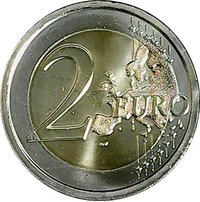
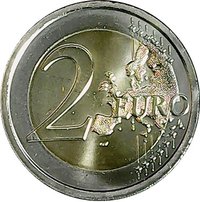
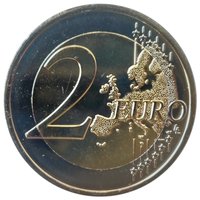
Reverse
Categories
| Map |
| Building> Religious building |
Mints
| Name | Mark |
|---|---|
| Monnaie de Paris | — |
Mintings
| Year | Mint Mark | Mintage | Quality | Collection |
|---|---|---|---|---|
| 2020 | — | 20,000 | BU | |
| 2020 | — | 170,000 | ||
| 2020 | F | 10,000 | BU |
Historical background
In 2020, Malta's currency situation was defined by its continued and stable membership in the Eurozone. Having adopted the euro on 1 January 2008, the Maltese lira was a relic of the past, and the euro served as the sole legal tender. This meant the Central Bank of Malta operated as part of the Eurosystem, with monetary policy set by the European Central Bank (ECB) in Frankfurt. The primary focus for Malta was therefore on navigating the broader Eurozone's monetary response to the unprecedented economic shock of the COVID-19 pandemic, rather than managing an independent currency.
The year was dominated by the severe economic impact of the global pandemic, which hit Malta's crucial tourism and services sectors hard. In response, the ECB implemented aggressive stimulus measures, including massive asset purchase programmes and maintaining historically low, often negative, interest rates. For Malta, this ECB policy was crucial in ensuring liquidity, keeping borrowing costs low for businesses and the government, and supporting the overall economy. The stable euro also provided a shield against potential currency volatility during the crisis, facilitating trade and financial stability.
Consequently, domestic currency debates were absent; the discussion centred on fiscal, not monetary, tools. The Maltese government launched substantial aid packages, including wage supplements and business grants, financed through increased public debt. While the euro provided a stable foundation, the country's economic resilience in 2020 was tested by its heavy reliance on sectors vulnerable to lockdowns. The year ultimately underscored the benefits of Eurozone membership during a systemic crisis, while also highlighting the limitations of not having devaluation as a national policy tool to boost competitiveness during a severe downturn.
The year was dominated by the severe economic impact of the global pandemic, which hit Malta's crucial tourism and services sectors hard. In response, the ECB implemented aggressive stimulus measures, including massive asset purchase programmes and maintaining historically low, often negative, interest rates. For Malta, this ECB policy was crucial in ensuring liquidity, keeping borrowing costs low for businesses and the government, and supporting the overall economy. The stable euro also provided a shield against potential currency volatility during the crisis, facilitating trade and financial stability.
Consequently, domestic currency debates were absent; the discussion centred on fiscal, not monetary, tools. The Maltese government launched substantial aid packages, including wage supplements and business grants, financed through increased public debt. While the euro provided a stable foundation, the country's economic resilience in 2020 was tested by its heavy reliance on sectors vulnerable to lockdowns. The year ultimately underscored the benefits of Eurozone membership during a systemic crisis, while also highlighting the limitations of not having devaluation as a national policy tool to boost competitiveness during a severe downturn.
Series: Malta's Prehistoric Monuments
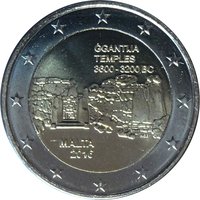
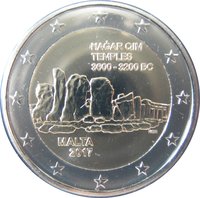
Series: Malta 2 euro commemoratives
🌱 Common