

2 Euro – Malta
Circulating commemorative coins
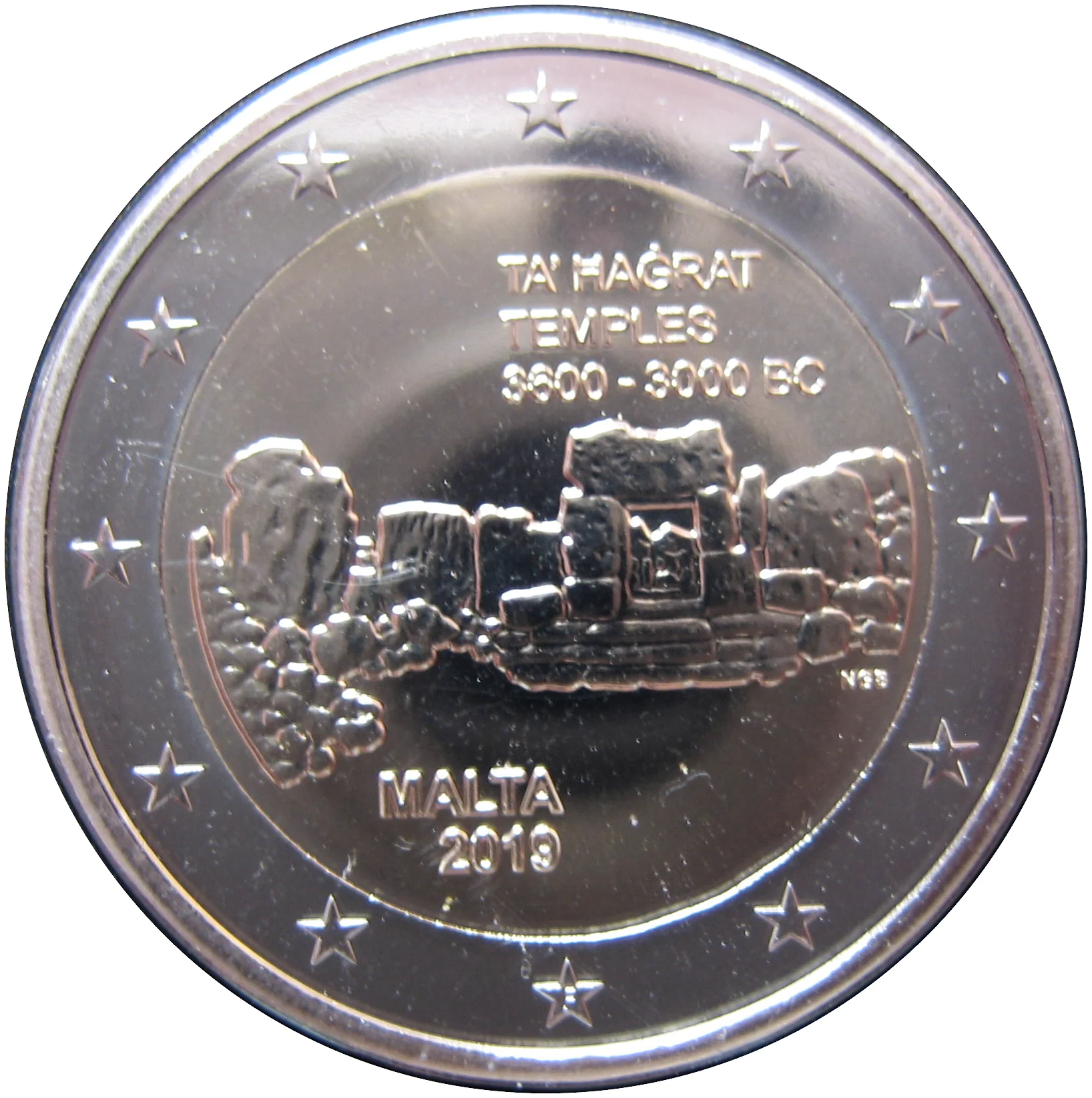
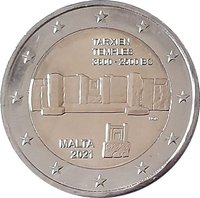
Commemoration: Ta' Hagrat Temples.
Series: Malta's Prehistoric Monuments
Malta
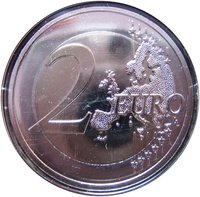
Obverse
Description:
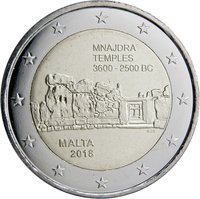
The coin features the prehistoric Ta’ Ħaġrat Temples (3600-3200 BC). Inscriptions include "MALTA" and the issuance year "2017," along with the artist's initials "NGB." The outer ring depicts the 12 stars of the European flag.
Inscription:
TA’ ĦAĠRAT
TEMPLES
3600 - 3000 BC
MALTA
2019
TEMPLES
3600 - 3000 BC
MALTA
2019
Translation:
TA’ ĦAĠRAT
TEMPLES
3600 - 3000 BC
MALTA
2019
TEMPLES
3600 - 3000 BC
MALTA
2019
Script: Latin
Engraver: Noel Galea Bason
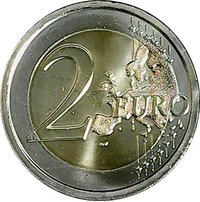
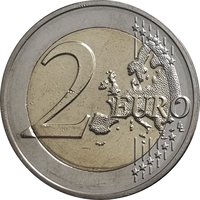
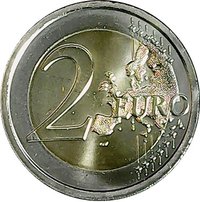
Reverse
Categories
| Building> Religious building |
| Map |
Mints
| Name | Mark |
|---|---|
| Monnaie de Paris | — |
Mintings
| Year | Mint Mark | Mintage | Quality | Collection |
|---|---|---|---|---|
| 2019 | — | 300,000 | ||
| 2019 | F | 15,000 |
Historical background
In 2019, Malta was a stable member of the Eurozone, having adopted the euro as its official currency on 1 January 2008. Consequently, the country's monetary policy was entirely set by the European Central Bank (ECB), with the Central Bank of Malta acting as a national operational arm within the Eurosystem. The primary focus domestically was not on currency volatility or exchange rates, but on maintaining financial stability, managing inflation in line with Eurozone targets, and addressing specific national economic challenges through fiscal policy.
The year was marked by robust economic performance, with Malta consistently exhibiting one of the highest GDP growth rates and lowest unemployment rates in the EU. This strong economic backdrop supported a stable currency environment. However, underlying concerns relevant to the financial system included the need to manage the pressures of rapid economic expansion, such as labour market tightness and housing cost inflation, and to enhance the integrity of its financial sector following international scrutiny related to money laundering risks and the greylisting by the Financial Action Task Force (FATF) in 2021, the foundations for which were being laid in 2019.
Therefore, the "currency situation" in 2019 was fundamentally one of Eurozone stability. Domestic economic debates centred on fiscal management, sustainable growth, and regulatory reforms rather than on the euro itself. The currency's strength and stability were largely taken as a given, providing a predictable foundation for Malta's thriving tourism, iGaming, and financial services sectors, while policymakers focused on navigating broader economic and reputational challenges within the single currency framework.
The year was marked by robust economic performance, with Malta consistently exhibiting one of the highest GDP growth rates and lowest unemployment rates in the EU. This strong economic backdrop supported a stable currency environment. However, underlying concerns relevant to the financial system included the need to manage the pressures of rapid economic expansion, such as labour market tightness and housing cost inflation, and to enhance the integrity of its financial sector following international scrutiny related to money laundering risks and the greylisting by the Financial Action Task Force (FATF) in 2021, the foundations for which were being laid in 2019.
Therefore, the "currency situation" in 2019 was fundamentally one of Eurozone stability. Domestic economic debates centred on fiscal management, sustainable growth, and regulatory reforms rather than on the euro itself. The currency's strength and stability were largely taken as a given, providing a predictable foundation for Malta's thriving tourism, iGaming, and financial services sectors, while policymakers focused on navigating broader economic and reputational challenges within the single currency framework.
Series: Malta's Prehistoric Monuments
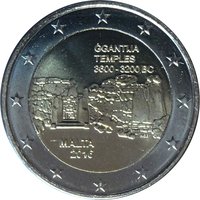
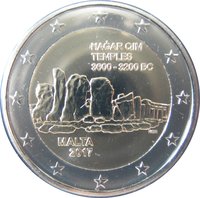
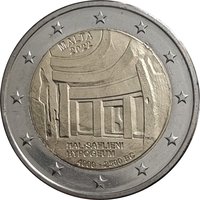
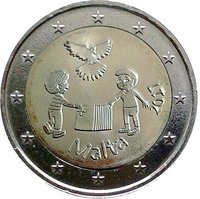
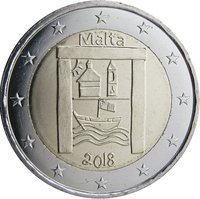
Series: Malta 2 euro commemoratives
🌱 Common