

2 euro (Economic and Monetary Union) – Malta
Add to wishlist
Circulating commemorative coins
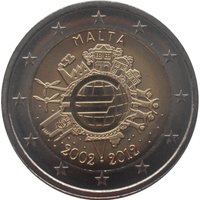
Commemoration: 10th anniversary of Economic and Monetary Union
Malta
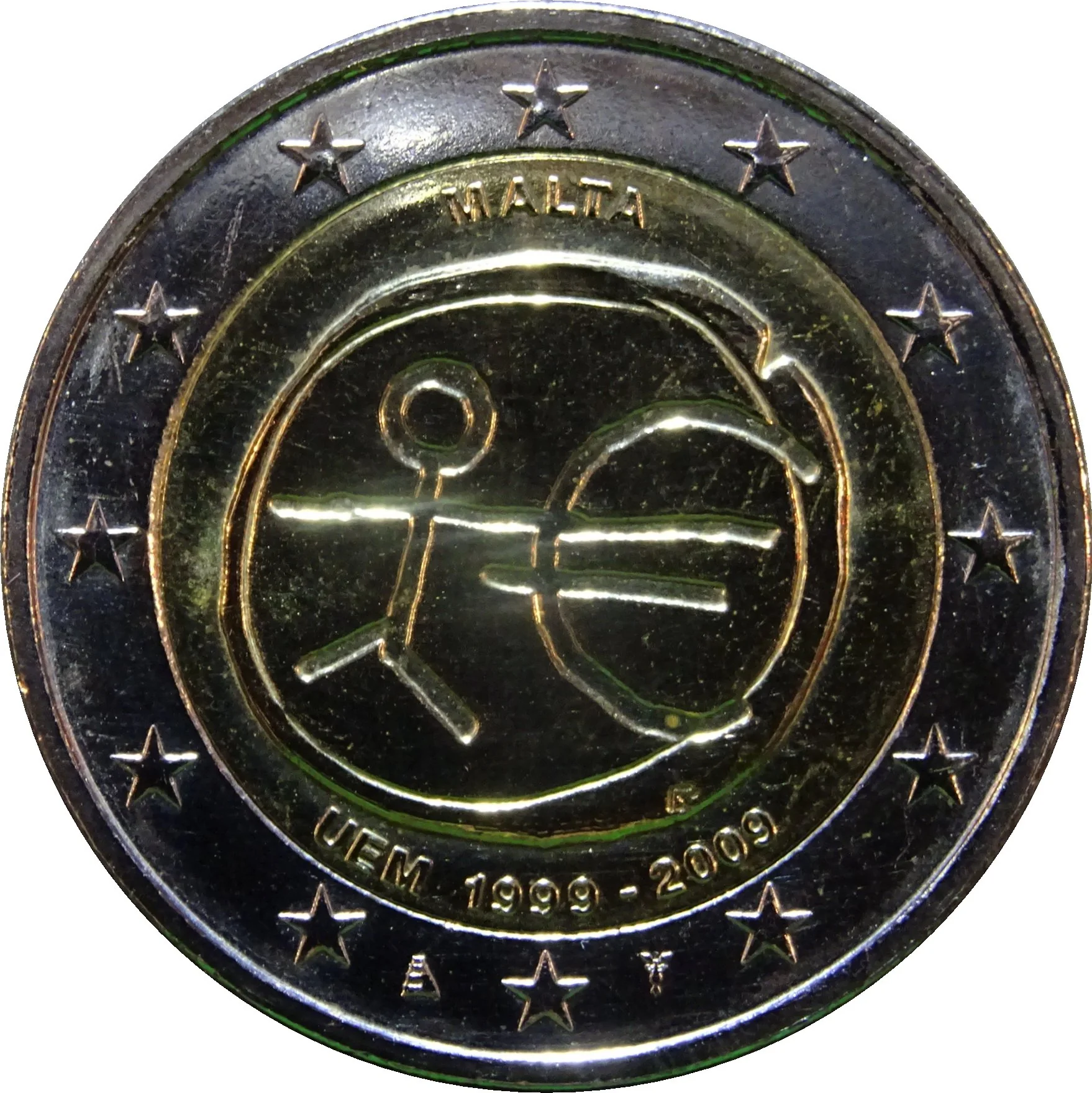
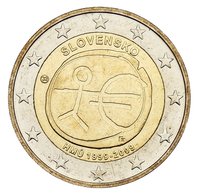
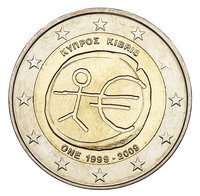
Obverse
Description:
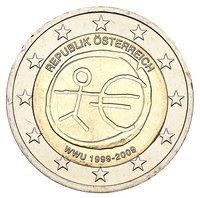
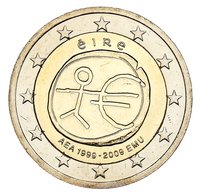
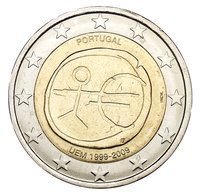
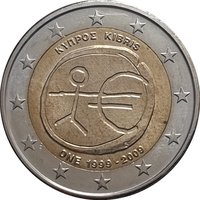
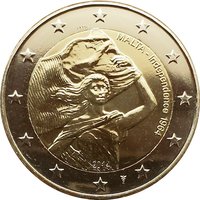
Stick figure merging into a €, surrounded by the EU's twelve stars.
Inscription:
MALTA
ΓΣ
UEM 1999-2009
ΓΣ
UEM 1999-2009
Translation:
MALTA
GS
UEM 1999-2009
GS
UEM 1999-2009
Engraver: Geórgios Stamatópoulos
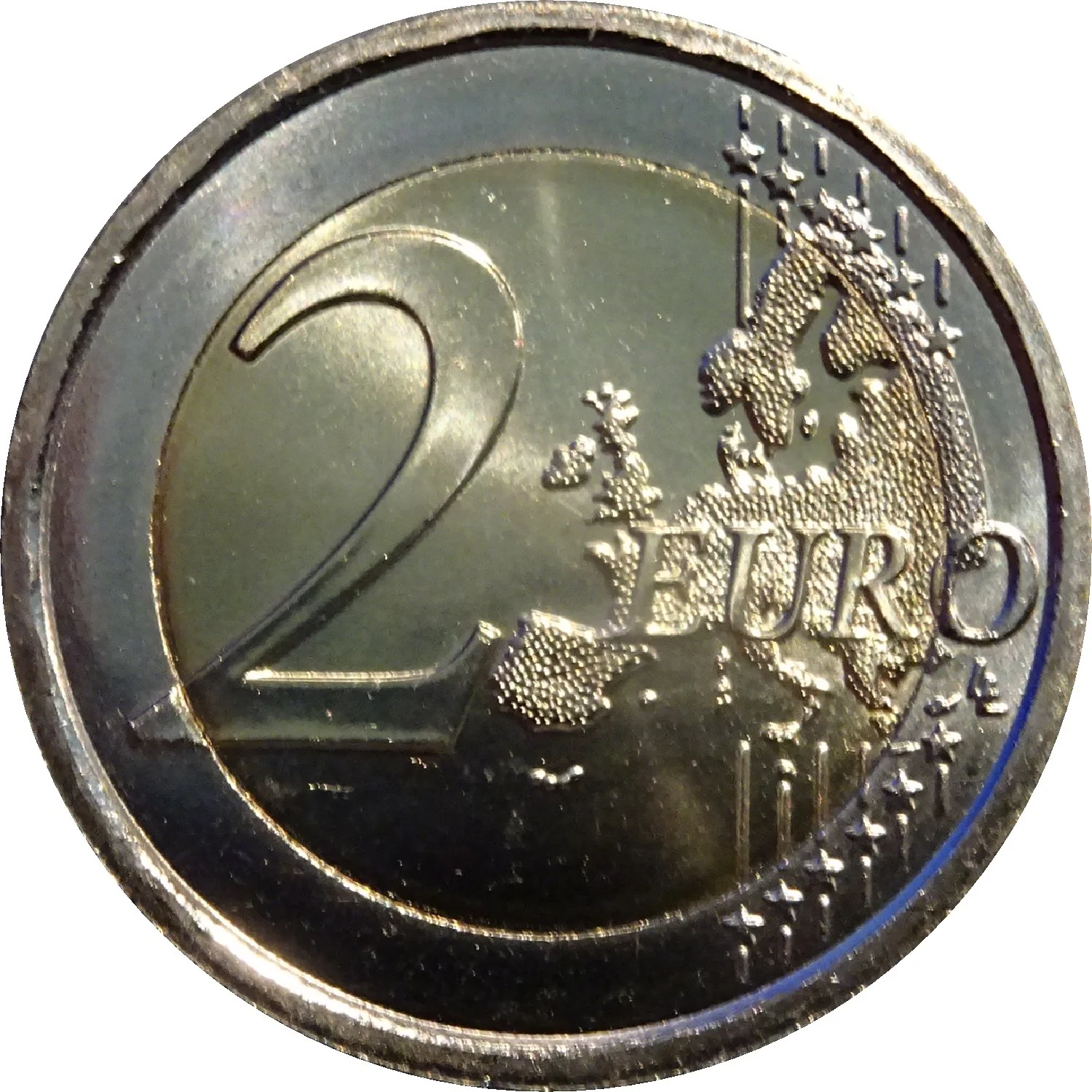
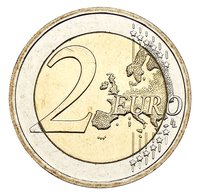
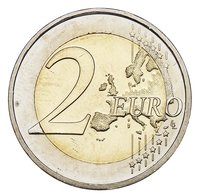
Reverse
Edge
Reeded with inscription
Legend:
2 * * 2 * * 2 * * 2 * * 2 * * 2 * *
Mints
| Name | Mark |
|---|---|
| Royal Dutch Mint | — |
Mintings
| Year | Mint Mark | Mintage | Quality | Collection |
|---|---|---|---|---|
| 2009 | — | 700,000 |
Historical background
In 2009, Malta's currency situation was defined by its recent adoption of the euro, which had occurred just over a year earlier on 1 January 2008. This transition from the Maltese lira was a strategic move to deepen economic integration with the European Union, which Malta had joined in 2004. The changeover was considered a success, providing immediate benefits such as the elimination of exchange rate risk with its main trading partners, lower transaction costs, and enhanced price transparency. For a small, open economy heavily reliant on tourism and trade, euro membership offered a crucial anchor of monetary stability during a turbulent global period.
The global financial crisis of 2008-2009 presented the first major test for Malta within the Eurozone. While the country avoided a severe banking crisis due to its conservative and domestically focused financial sector, it was not immune to the wider economic downturn. The euro provided a defensive shield against currency speculation and volatility that might have severely impacted the lira. However, as part of the single currency, Malta also relinquished independent monetary policy tools, meaning it could not devalue its currency to boost competitiveness or set its own interest rates in response to the local economic climate. Policy responses were therefore constrained to national fiscal measures and EU-wide initiatives.
Consequently, the key economic challenges in 2009 stemmed from the recession's impact rather than currency instability. The government faced a growing deficit and debt as it contended with falling tourism revenues and declining exports, while relying on the European Central Bank's interest rate policies designed for the entire Eurozone. In summary, Malta's currency situation in 2009 was one of entrenched stability under the euro, which provided critical shelter from external financial storms but also meant navigating the aftermath of the global crisis without the tool of a national monetary policy, focusing instead on fiscal consolidation and structural reforms to restore economic growth.
The global financial crisis of 2008-2009 presented the first major test for Malta within the Eurozone. While the country avoided a severe banking crisis due to its conservative and domestically focused financial sector, it was not immune to the wider economic downturn. The euro provided a defensive shield against currency speculation and volatility that might have severely impacted the lira. However, as part of the single currency, Malta also relinquished independent monetary policy tools, meaning it could not devalue its currency to boost competitiveness or set its own interest rates in response to the local economic climate. Policy responses were therefore constrained to national fiscal measures and EU-wide initiatives.
Consequently, the key economic challenges in 2009 stemmed from the recession's impact rather than currency instability. The government faced a growing deficit and debt as it contended with falling tourism revenues and declining exports, while relying on the European Central Bank's interest rate policies designed for the entire Eurozone. In summary, Malta's currency situation in 2009 was one of entrenched stability under the euro, which provided critical shelter from external financial storms but also meant navigating the aftermath of the global crisis without the tool of a national monetary policy, focusing instead on fiscal consolidation and structural reforms to restore economic growth.
Series: Malta 2 euro commemoratives
🌱 Very Common