

1 Toman – Iran
Iran
Context
Material
Weight: 3.41 g
Gold weight: 3.41 g
Shape: Irregular round
Composition: Gold
Magnetic: No
Technique: Hammered
References
KM: #Click to copy to clipboard759
Numista: #418870
Value
Bullion value: $568.88
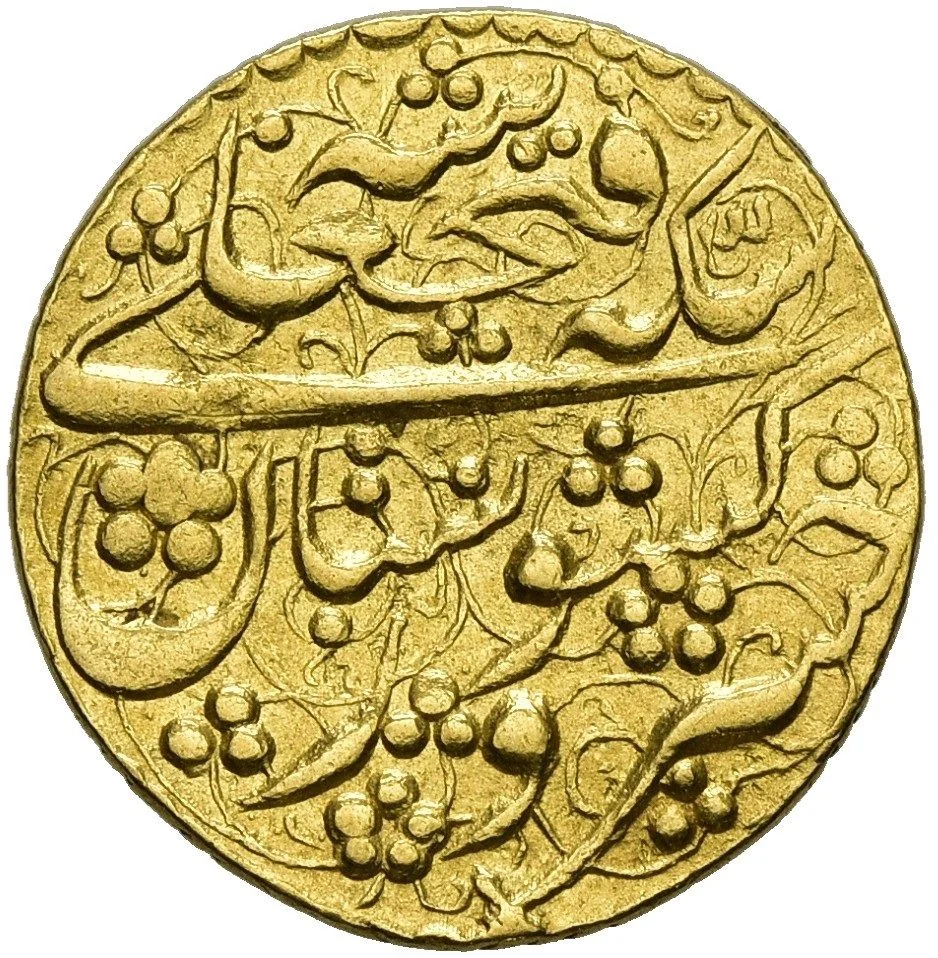
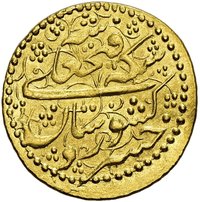
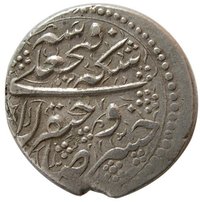
Obverse
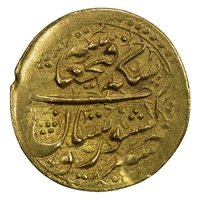
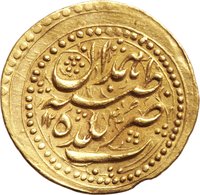
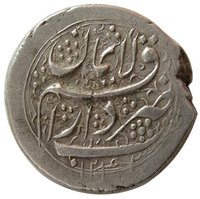
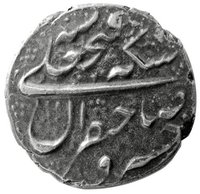
Inscription:
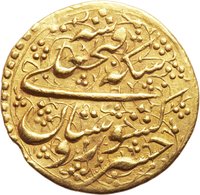
سکه فتحعلی شه خسرو کشورستان
Translation:
Coin of Fath-Ali Shah, the Khusraw of the land.
Script: Persian (nastaliq)
Language: Persian
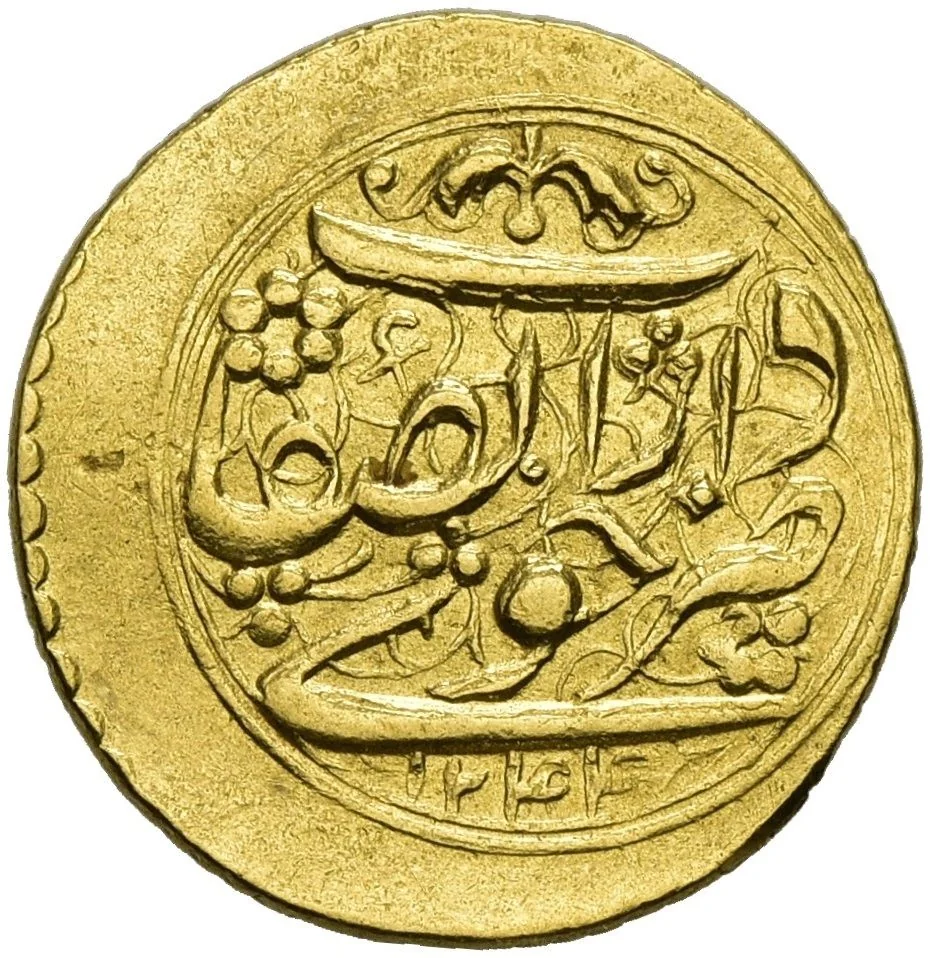
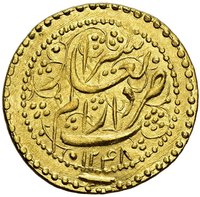
Reverse
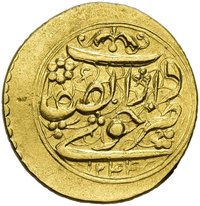
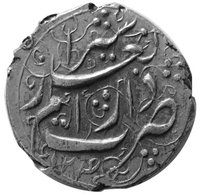
Inscription:
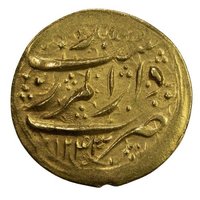
ضرب دارالصفا خوی
۱۲۴۴
۱۲۴۴
Translation:
Struck in Dar al-Safa, Khoy
1244
1244
Script: Persian (nastaliq)
Language: Persian
Edge
Mints
| Name | Mark |
|---|---|
| Khoy | خوی |
Mintings
| Year | Mint Mark | Mintage | Quality | Collection |
|---|---|---|---|---|
| 1828 | — | — |
Historical background
In 1828, Iran's currency situation was characterized by severe instability and debasement, a direct consequence of military defeat and punitive diplomacy. The conclusion of the Russo-Persian Wars with the Treaty of Turkmenchay in February of that year imposed a crushing indemnity of 20 million silver rubles on the Qajar dynasty. To meet this enormous demand for specie, the state under Fath-Ali Shah was forced to drain its treasury of silver bullion and existing silver coinage, notably the rial and toman. This massive outflow of hard currency crippled the monetary base and created a acute shortage of sound money within the domestic economy.
The internal currency system was already complex and fragile, relying on a bimetallic system of silver and copper coins. The primary unit was the silver toman (10 rials), but much everyday commerce depended on low-value copper puls. The state's desperate need for silver led to the severe debasement of newly minted coins, reducing their precious metal content while attempting to maintain their face value. This practice, combined with the influx of depreciated copper coins from provincial mints, fueled rampant inflation and a collapse in public trust. The value of currency could vary dramatically between regions, and foreign silver coins, particularly the Russian ruble and the British Indian rupee, began to circulate as more reliable alternatives to the degraded domestic coinage.
Thus, the currency crisis of 1828 was not merely a financial issue but a stark indicator of Iran's diminished sovereignty and integration into a colonial economic order. The Treaty of Turkmenchay forcibly integrated Iran's economy with that of Russia, establishing unequal trade terms and cementing a pattern of external debt. The resulting monetary chaos weakened the central government, placed immense hardship on the population through inflation, and set a precedent for future foreign interference in Iran's fiscal affairs, hindering economic development for decades to come.
The internal currency system was already complex and fragile, relying on a bimetallic system of silver and copper coins. The primary unit was the silver toman (10 rials), but much everyday commerce depended on low-value copper puls. The state's desperate need for silver led to the severe debasement of newly minted coins, reducing their precious metal content while attempting to maintain their face value. This practice, combined with the influx of depreciated copper coins from provincial mints, fueled rampant inflation and a collapse in public trust. The value of currency could vary dramatically between regions, and foreign silver coins, particularly the Russian ruble and the British Indian rupee, began to circulate as more reliable alternatives to the degraded domestic coinage.
Thus, the currency crisis of 1828 was not merely a financial issue but a stark indicator of Iran's diminished sovereignty and integration into a colonial economic order. The Treaty of Turkmenchay forcibly integrated Iran's economy with that of Russia, establishing unequal trade terms and cementing a pattern of external debt. The resulting monetary chaos weakened the central government, placed immense hardship on the population through inflation, and set a precedent for future foreign interference in Iran's fiscal affairs, hindering economic development for decades to come.
✨ Legendary