

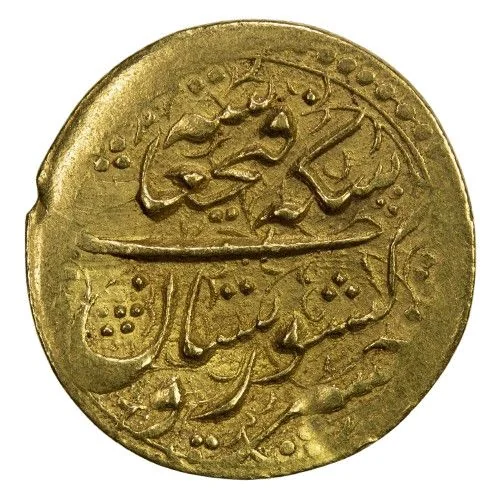
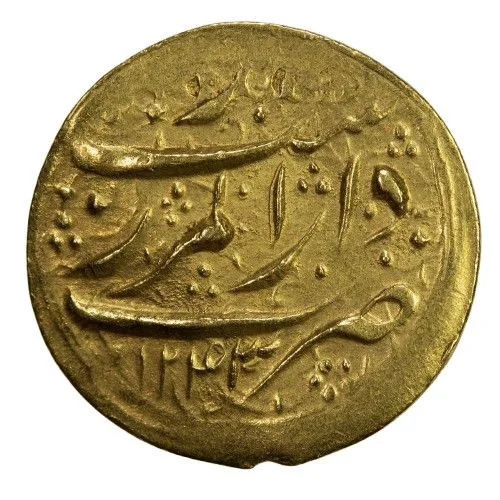
1 toman – Iran
Add to wishlist
Iran
Context
Material
Weight: 3.43 g
Gold Weight:: 3.43 g
Shape: Irregular round
Composition: Gold
Magnetic: No
Technique: Hammered
References
Numista: #468757
Value
Bullion value: $529.09
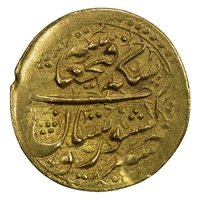
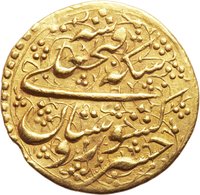
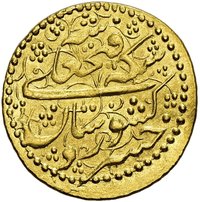
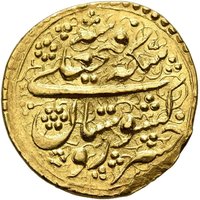
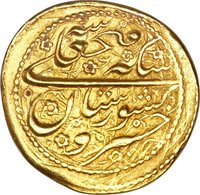
Obverse
Inscription:
سكه فتحعلى شه
خسرو كشورستان
خسرو كشورستان
Translation:
Coined by Fath-Ali Shah
Khusraw of the land.
Khusraw of the land.
Script: Persian (nastaliq)
Language: Persian
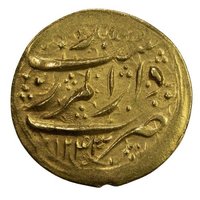
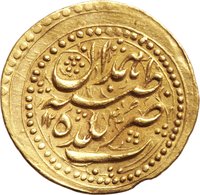
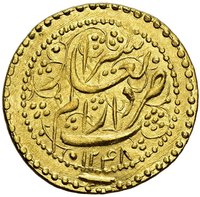
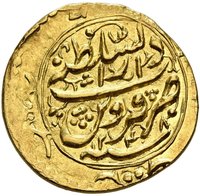
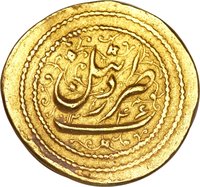
Reverse
Inscription:
ضرب ال مارز رشت
۱۲۴۳
۱۲۴۳
Translation:
Struck in the city of Rasht
1243
1243
Script: Persian (nastaliq)
Edge
Mints
| Name | Mark |
|---|---|
| Dar al-Marz Rasht | رشت |
Mintings
| Year | Mint Mark | Mintage | Quality | Collection |
|---|---|---|---|---|
| 1830 | — | — | ||
| 1833 | — | — |
Historical background
In the early 19th century, Iran's monetary system was characterized by profound disorder and fragmentation, a legacy of political instability and economic decline following the fall of the Safavid dynasty. By 1830, the Qajar dynasty, under Fath-Ali Shah, was consolidating power but faced a currency landscape in chaos. The primary unit was the silver qiran (later rial), but its value and silver content were inconsistent. More critically, the state lacked a monopoly on coinage; provincial governors, powerful khans, and even foreign entities minted their own coins, leading to a bewildering variety of currencies in circulation with fluctuating intrinsic values and exchange rates.
This fragmentation was exacerbated by a severe shortage of precious metals, particularly silver, due to a chronic negative trade balance. The outflow of silver to pay for imported European manufactured goods, especially textiles, drained the metallic base of the currency. Consequently, the government increasingly resorted to debasement—reducing the silver content in newly minted coins to fund its expenditures. This practice led to Gresham's Law in action, where "bad" debased coins drove "good" full-weight coins out of circulation, either into hoards or for export, further weakening the monetary system and eroding public trust.
The currency chaos of 1830 was a significant impediment to both domestic trade and international commerce, creating a complex and unreliable environment for merchants. It reflected the broader weaknesses of the Qajar state: its limited central control over the provinces, its fiscal distress, and its increasing integration into a global economic system that was draining its specie. This unstable monetary background set the stage for later 19th-century attempts at reform, though substantive centralization and standardization of Iran's currency would remain a protracted and challenging process.
This fragmentation was exacerbated by a severe shortage of precious metals, particularly silver, due to a chronic negative trade balance. The outflow of silver to pay for imported European manufactured goods, especially textiles, drained the metallic base of the currency. Consequently, the government increasingly resorted to debasement—reducing the silver content in newly minted coins to fund its expenditures. This practice led to Gresham's Law in action, where "bad" debased coins drove "good" full-weight coins out of circulation, either into hoards or for export, further weakening the monetary system and eroding public trust.
The currency chaos of 1830 was a significant impediment to both domestic trade and international commerce, creating a complex and unreliable environment for merchants. It reflected the broader weaknesses of the Qajar state: its limited central control over the provinces, its fiscal distress, and its increasing integration into a global economic system that was draining its specie. This unstable monetary background set the stage for later 19th-century attempts at reform, though substantive centralization and standardization of Iran's currency would remain a protracted and challenging process.
✨ Legendary