Logo Title
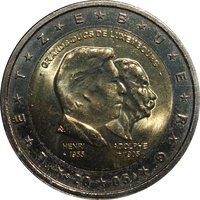
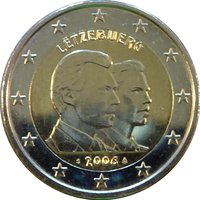
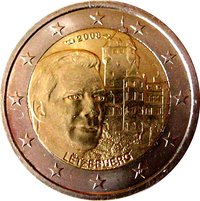
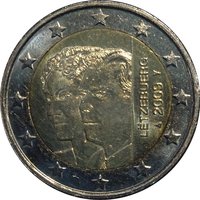
obverse
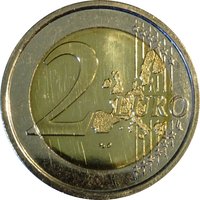
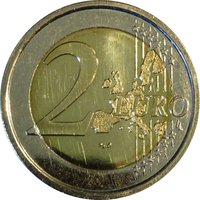
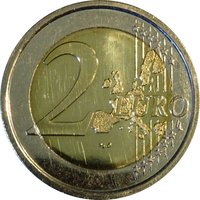
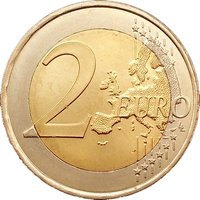
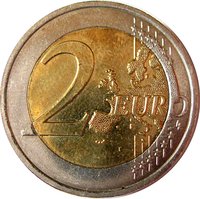
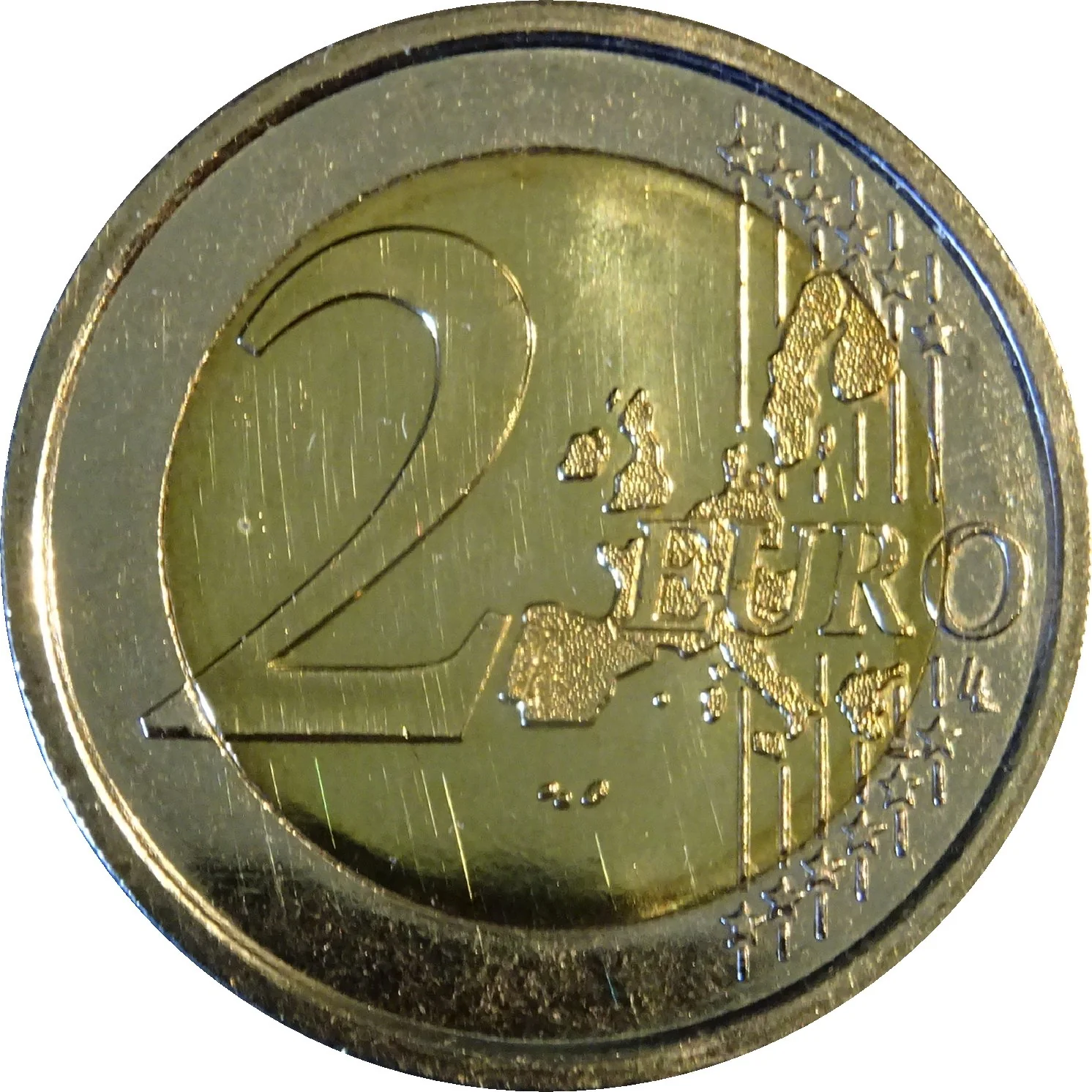
reverse
Mike Bentley CC BY-NC

2 Euro (Monograms on Luxemburgish Coins) – Grand Duchy of Luxembourg

Circulating commemorative coins
Commemoration: 80th Anniversary of the use of Monograms on Luxemburgish Coins
Luxembourg
Context
Years: 2004–2008
Year: 2004
Country: Luxembourg Country flag
Issuing organization: Central Bank of Luxembourg
Ruler: Henry
Currency:
(since 2002)
Total mintage: 2,481,800
Material
Diameter: 25.75 mm
Weight: 8.5 g
Thickness: 2.2 mm
Shape: Round
Composition: Bimetallic (Nickel brass center, Copper-nickel ring)
Technique: Milled
Alignment: Medal alignment
Obverse
OBVERSE ↑
flip
Reverse
REVERSE ↑
References
KM: #Click to copy to clipboard85
Numista: #2192
Value
Exchange value: 2 EUR = $2.36
Inflation-adjusted value: 3.22 EUR

Obverse

Description:
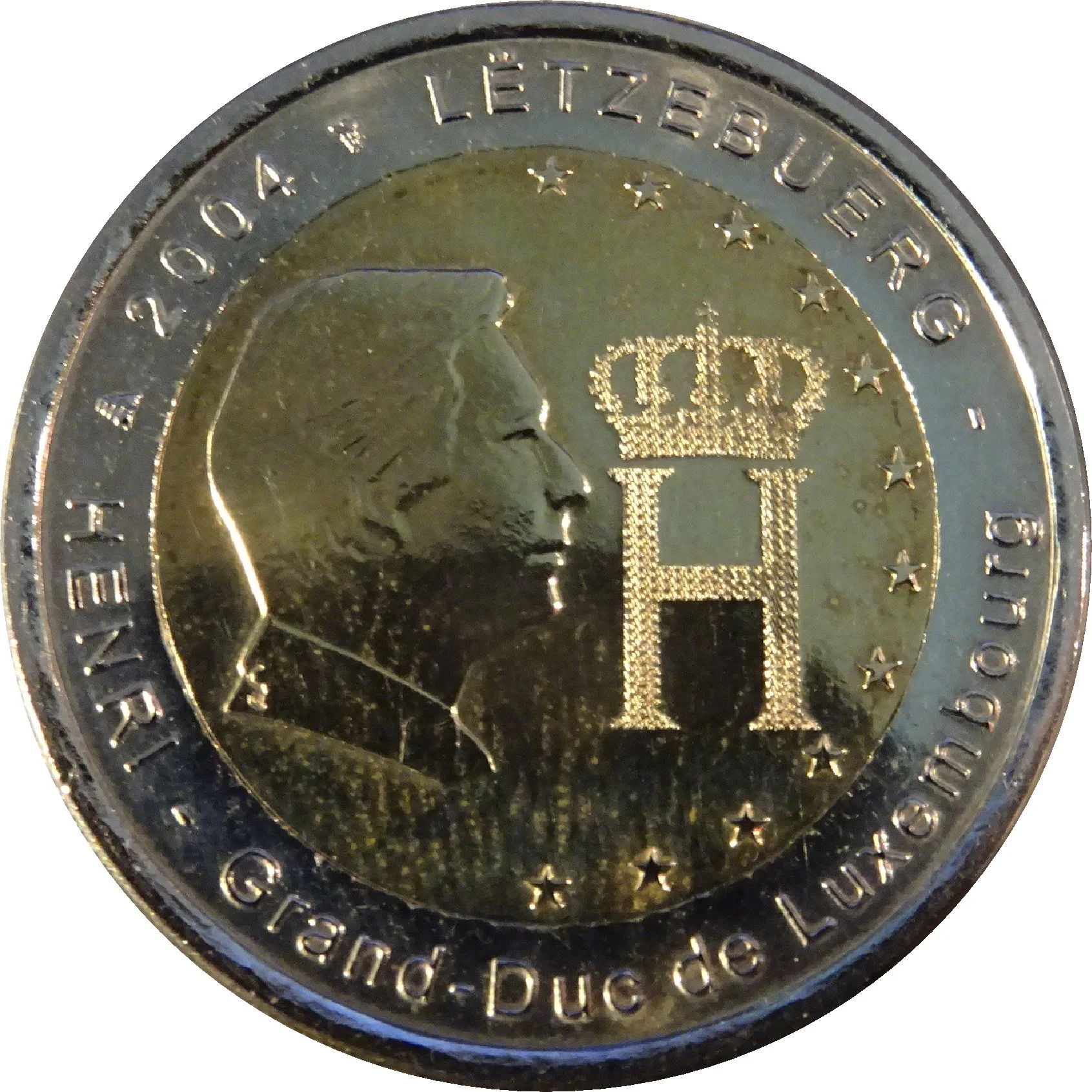
Left, the effigy of Grand-Duke Henri faces right, beside his crowned 'H' monogram. The year 2004, mint mark, engraver's initials, and "LËTZEBUERG" arc above. "HENRI — Grand-Duc de Luxembourg" arcs below, with twelve stars to the right.
Inscription:
2004 LËTZEBUERG

HENRI - Grand-Duc de Luxembourg

CG
Translation:
2004 LUXEMBOURG

HENRI - Grand Duke of Luxembourg

CG
Script: Latin
Languages: Luxembourgish, French

Reverse

Description:
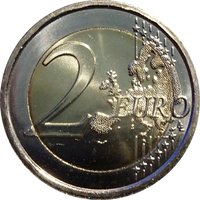
A map shows Europe borderless beside its face value.
Inscription:
2 EURO LL
Script: Latin
Engraver: Luc Luycx

Edge

Finely ribbed with edge lettering: six times the sequence "2 * * " alternately upright and inverted
Legend:
2 ** 2 ** 2 ** 2 ** 2 ** 2 **


Mintings

YearMint MarkMintageQualityCollection
20042,447,800
200430,000BU
20041,500Proof
20082,500

Historical background

In 2004, the Grand Duchy of Luxembourg was in its third year of using the euro as its sole legal tender, having successfully adopted the new currency in 2002 alongside fellow members of the eurozone. This period represented a phase of consolidation and normalization, as the Luxembourgish franc (LUF) had been fully withdrawn from circulation and was no longer used for daily transactions. The population and businesses had largely adjusted to the new pricing and accounting systems, though psychological references to the old franc occasionally persisted, especially among older residents.

Luxembourg's unique economic position, characterized by a large financial sector, high GDP per capita, and a significant cross-border workforce, meant its engagement with the euro was particularly deep. The currency facilitated even greater financial integration with its key partners, Belgium and Germany, streamlining transactions for the thousands of commuters and reinforcing Luxembourg's role as a major banking hub. The stability of the euro was beneficial for the country's export-oriented and service-driven economy, providing a predictable monetary environment for international investment.

Domestically, the National Bank of Belgium, in collaboration with the Central Bank of Luxembourg, remained responsible for issuing euro coins with Luxembourg's national side designs, featuring Grand Duke Henri. As a member of the Eurosystem, Luxembourg's monetary policy was set by the European Central Bank (ECB) in Frankfurt. By 2004, any initial transitional challenges, such as price rounding concerns, had largely subsided, and the euro was firmly entrenched as the functional and symbolic currency of the nation's modern economic identity.

Series: Grand Duchy of Luxembourg 2 euro commemoratives

2 Euro obverse
2 Euro reverse
2 Euro
2004-2008
2 Euro obverse
2 Euro reverse
2 Euro
2005-2008
2 Euro obverse
2 Euro reverse
2 Euro
2006-2008
2 Euro obverse
2 Euro reverse
2 Euro
2007
2 Euro obverse
2 Euro reverse
2 Euro
2007
2 Euro obverse
2 Euro reverse
2 Euro
2008
2 Euro obverse
2 Euro reverse
2 Euro
2009
🌱 Very Common