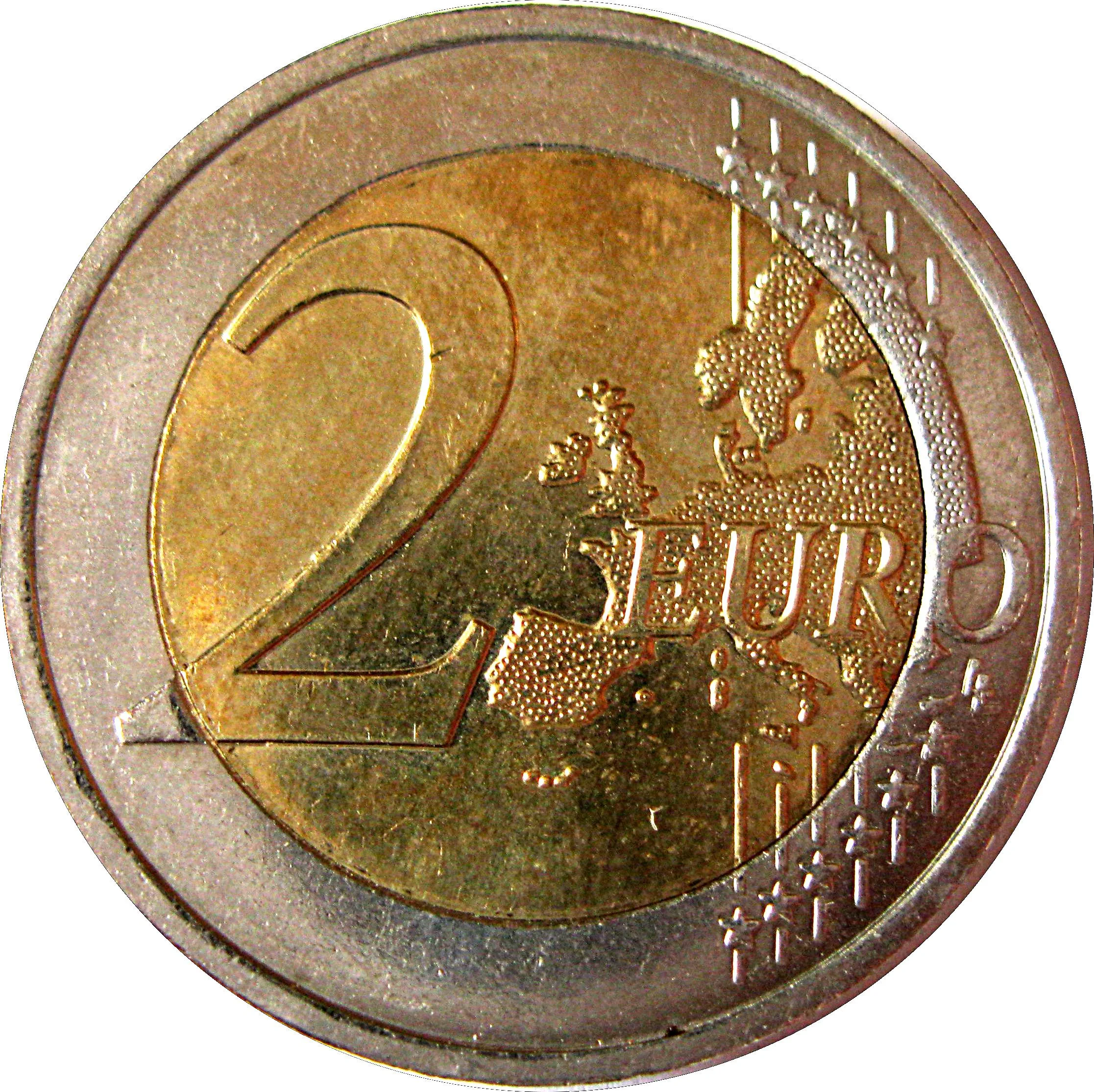
In 2008, the Grand Duchy of Luxembourg’s currency situation was defined by its foundational role in the Eurozone. Having adopted the euro as its sole legal tender on 1 January 1999 (with cash introduced in 2002), Luxembourg had fully replaced its former national currency, the Luxembourgish franc. As a founding member of the monetary union, the country’s financial stability was intrinsically tied to the European Central Bank’s (ECB) policies, which managed monetary policy for the entire bloc. Luxembourg’s economy, heavily specialized in financial services, investment funds, and private banking, was therefore deeply integrated into the euro system, benefiting from the credibility and stability of the single currency, which facilitated its cross-border financial activities.
The global financial crisis that erupted in 2008 presented a severe stress test for this arrangement. While Luxembourg did not face a sovereign debt crisis like some southern Eurozone members, its large and internationally exposed banking sector, with assets many times the country’s GDP, came under significant pressure. The crisis triggered liquidity freezes and exposed vulnerabilities, particularly in its cross-border operations. The government was forced to intervene, providing a state guarantee in September 2008 to prevent the collapse of the systemically important Fortis Banque Luxembourg, followed by a full nationalization of the bank. This action underscored that while the currency was managed supranationally, the responsibility for stabilizing domestic financial institutions fell to the national government.
Consequently, the 2008 currency "situation" was less about the euro itself and more about Luxembourg navigating a profound banking crisis within the Eurozone framework. The stability of the euro provided a crucial anchor, preventing a currency devaluation that could have exacerbated the banking turmoil. However, the crisis highlighted the unique risks for a small, hyper-specialized economy within the monetary union, where national financial stability could be threatened by global shocks, requiring costly national interventions despite the shared currency. This experience later informed broader EU discussions on banking union and financial sector supervision to better manage such systemic risks.