

2 euro (First Flight from Malta) – Malta
Add to wishlist
Circulating commemorative coins
Commemoration: 100th Anniversary of First Flight from Malta
Malta
Obverse
Description:
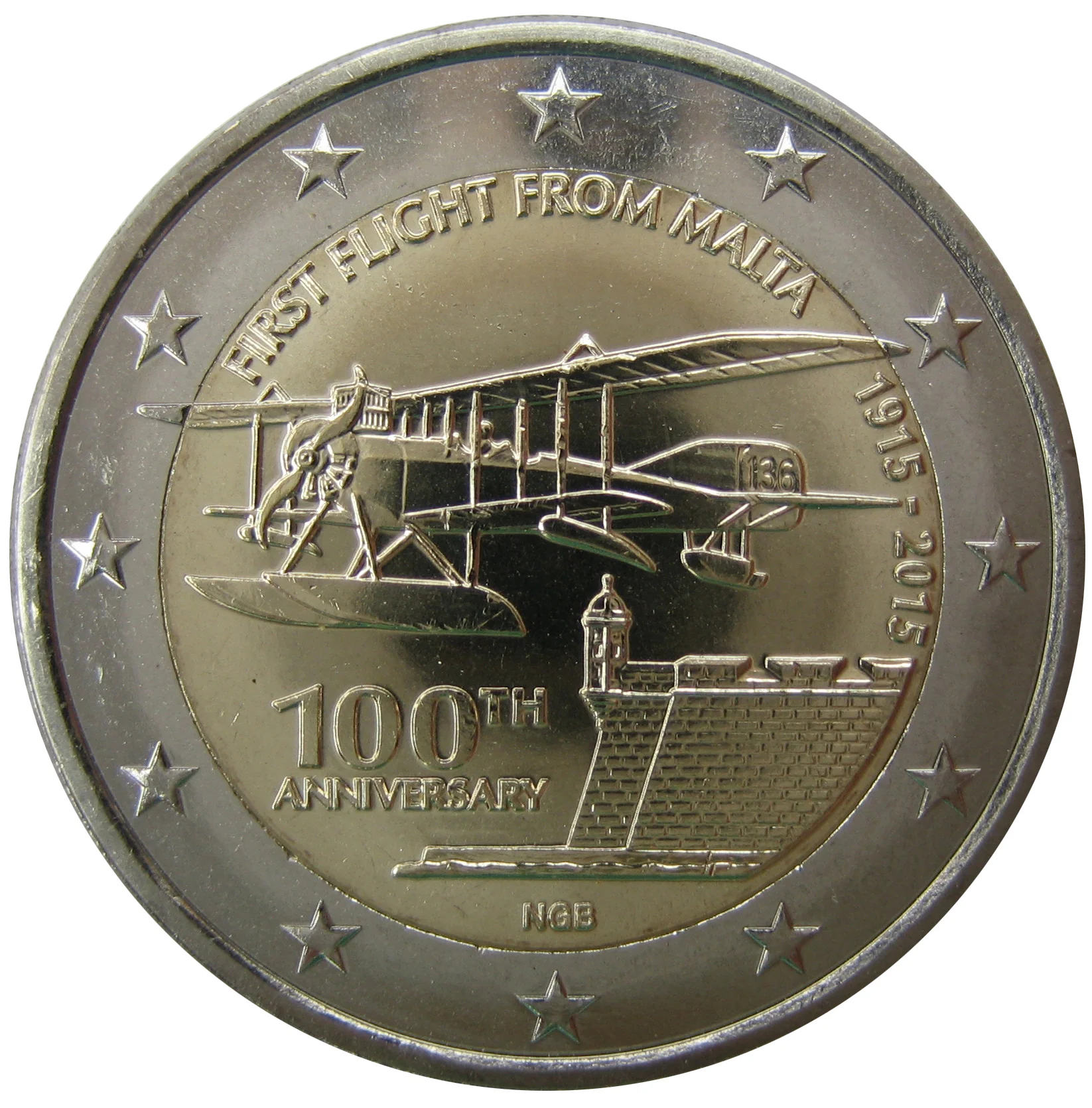
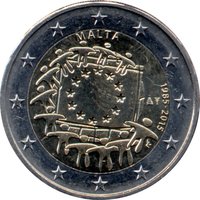
This coin marks the 100th anniversary of the first flight from Malta on 13 February 1915, when Captain Kilmer’s seaplane took off from the Grand Harbour. It depicts his plane over Senglea Point, with inscriptions noting the 'FIRST FLIGHT FROM MALTA', the years '1915-2015', and the '100TH ANNIVERSARY'. The designer's initials 'NGB' and the European stars complete the design.
Inscription:
FIRST FLIGHT FROM MALTA 1915 - 2015
100TH
ANNIVERSARY
NGB
100TH
ANNIVERSARY
NGB
Translation:
FIRST FLIGHT FROM MALTA 1915 - 2015
100TH
ANNIVERSARY
NGB
100TH
ANNIVERSARY
NGB
Script: Latin
Language: English
Engraver: Noel Galea Bason
Reverse
Edge
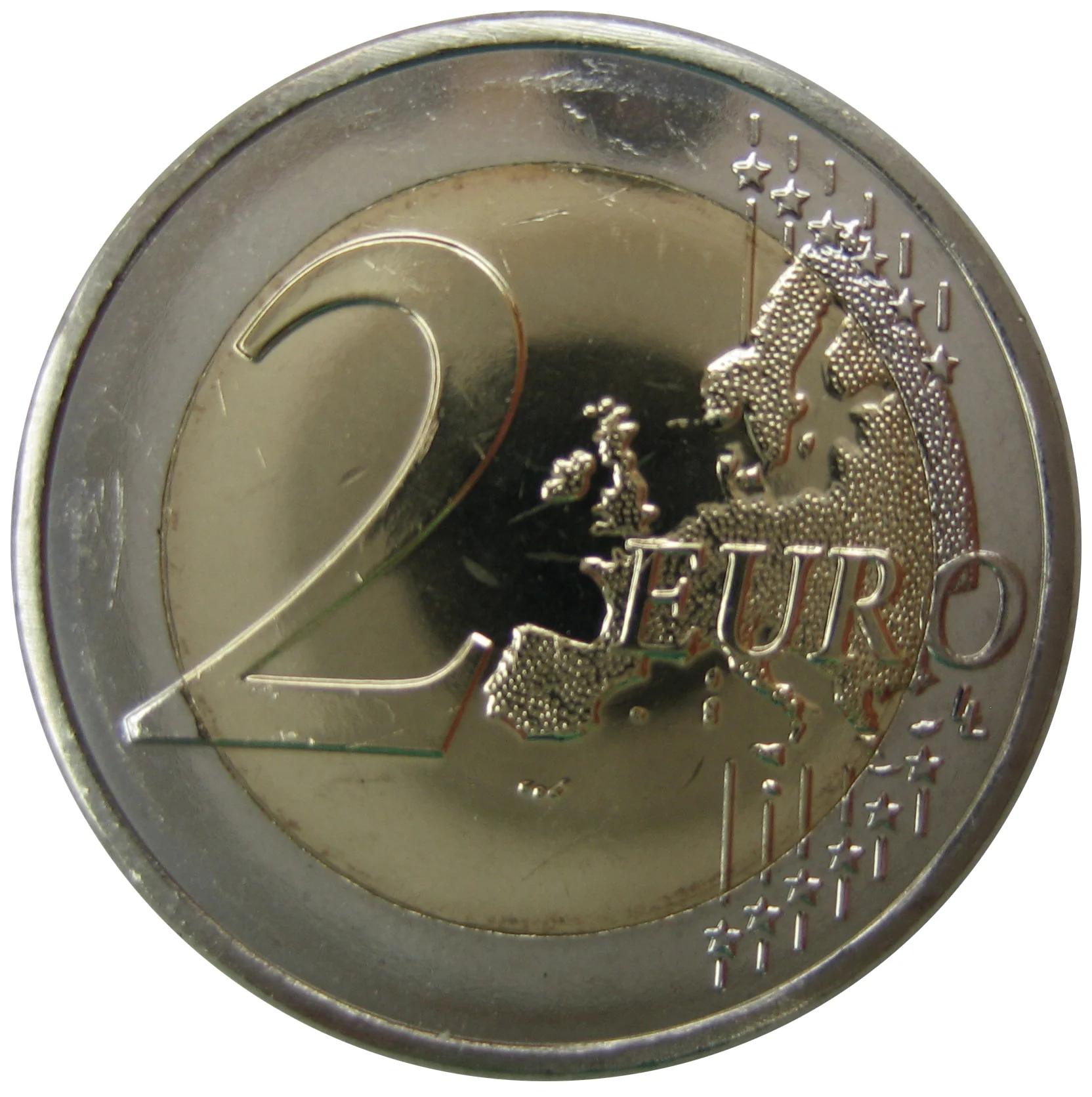
Reeded with inscription: six times a "2" and two Maltese crosses, alternately upright and inverted
Legend:
2 ✠✠ 2 ✠✠ 2 ✠✠ 2 ✠✠ 2 ✠✠ 2 ✠✠
Categories
| Transportation> Aircraft |
Mintings
| Year | Mint Mark | Mintage | Quality | Collection |
|---|---|---|---|---|
| 2015 | — | 25,000 |
Historical background
In 2015, Malta was firmly integrated into the Eurozone, having adopted the euro as its official currency on 1 January 2008. This meant the Maltese lira had been completely phased out of circulation for seven years, and the country's monetary policy was wholly determined by the European Central Bank (ECB). The year was characterised by Malta operating within the ECB's expansive monetary policy framework, which included historically low interest rates and quantitative easing measures aimed at stimulating the euro area economy following the sovereign debt crisis. For Malta, this environment supported low borrowing costs and economic stability.
The domestic economic context in 2015 was positive, with Malta experiencing robust GDP growth, a rising tourism sector, and a strengthening financial services industry. This growth, however, occurred alongside a very low annual inflation rate, a euro-area-wide phenomenon. The ECB's policies were designed to combat the risk of deflation, and Malta, as a small open economy within the bloc, imported this low-inflation environment. Consequently, there were no standalone national currency debates; discussions instead focused on fiscal policy, competitiveness, and how to best leverage the stability of the euro to sustain economic expansion.
Therefore, the "currency situation" in Malta for 2015 was one of stability and consolidation within the Eurozone framework. There was no active debate about the currency itself, as euro adoption was considered a settled and successful policy. The focus for policymakers and economists was on navigating the broader European monetary conditions to Malta's advantage, ensuring prudent national fiscal management, and addressing economic challenges through structural reforms rather than through any independent monetary tools, which the country had fully ceded to the ECB.
The domestic economic context in 2015 was positive, with Malta experiencing robust GDP growth, a rising tourism sector, and a strengthening financial services industry. This growth, however, occurred alongside a very low annual inflation rate, a euro-area-wide phenomenon. The ECB's policies were designed to combat the risk of deflation, and Malta, as a small open economy within the bloc, imported this low-inflation environment. Consequently, there were no standalone national currency debates; discussions instead focused on fiscal policy, competitiveness, and how to best leverage the stability of the euro to sustain economic expansion.
Therefore, the "currency situation" in Malta for 2015 was one of stability and consolidation within the Eurozone framework. There was no active debate about the currency itself, as euro adoption was considered a settled and successful policy. The focus for policymakers and economists was on navigating the broader European monetary conditions to Malta's advantage, ensuring prudent national fiscal management, and addressing economic challenges through structural reforms rather than through any independent monetary tools, which the country had fully ceded to the ECB.
Series: Malta 2 euro commemoratives
🌱 Common