In 2016, the Grand Duchy of Luxembourg, as a founding member of the Eurozone, had its official currency firmly established as the euro (€). The nation had fully transitioned from its former national currency, the Luxembourg franc, over a decade and a half prior, with the euro entering physical circulation in 2002. Consequently, domestic monetary policy was entirely set by the European Central Bank (ECB), with Luxembourg participating in the ECB's Governing Council. The year was marked by the ECB's ongoing unconventional monetary policies, including negative interest rates and asset purchase programs, aimed at stimulating the Eurozone economy and combating low inflation—policies that directly influenced Luxembourg's financial conditions.
The currency situation within Luxembourg's borders was characterized by exceptional stability and deep financial integration. The country's economy, heavily reliant on its large and sophisticated financial sector, thrived on the euro's credibility and the seamless cross-border capital flows it enabled. However, Luxembourg was not immune to the broader European challenges of 2016, including lingering concerns over the sovereign debt crisis and the potential economic fallout from the United Kingdom's "Brexit" referendum in June. These events introduced elements of uncertainty into the Eurozone's outlook, indirectly affecting investor sentiment in Luxembourg's key financial markets.
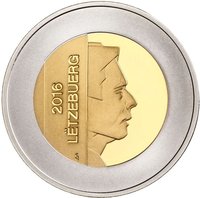
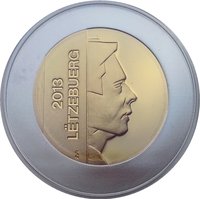
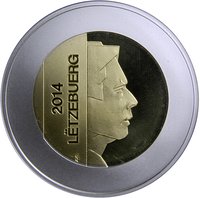
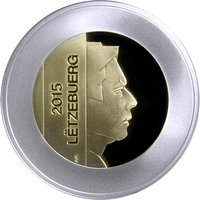
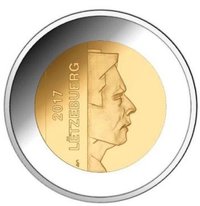
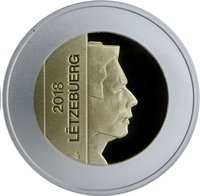
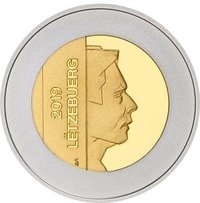
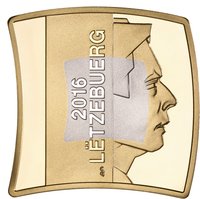
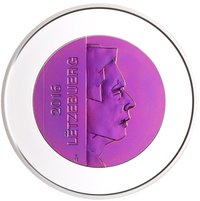
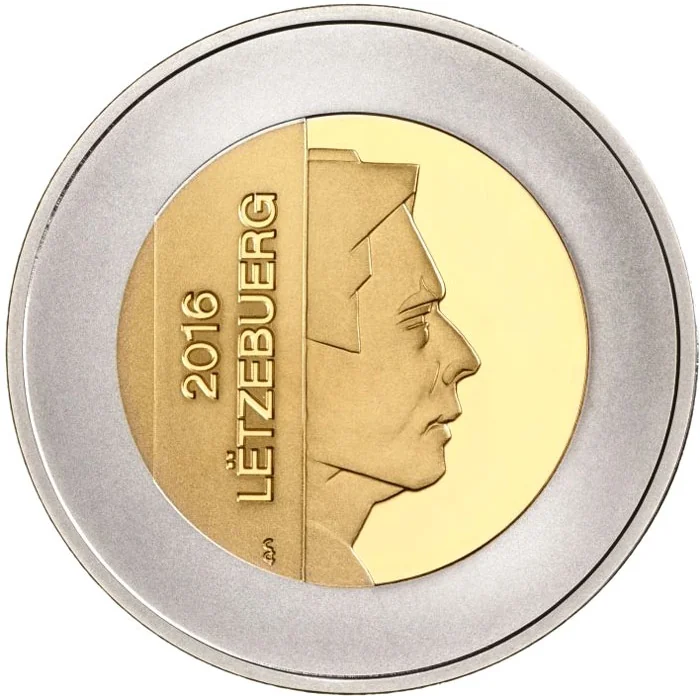
Furthermore, while the euro was the sole legal tender, Luxembourg continued to issue its own distinctive series of euro coins featuring the effigy of Grand Duke Henri, a symbol of national identity within the common currency framework. There was no serious political debate or movement regarding a return to a national currency; support for the euro remained strong among both the public and policymakers, who viewed it as essential for the country's economic model. Thus, in 2016, Luxembourg's currency situation was one of entrenched euro stability, coupled with vigilant attention to external Eurozone risks that could impact its prosperous, open economy.