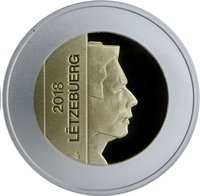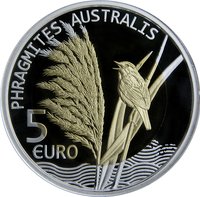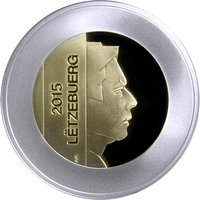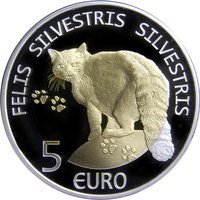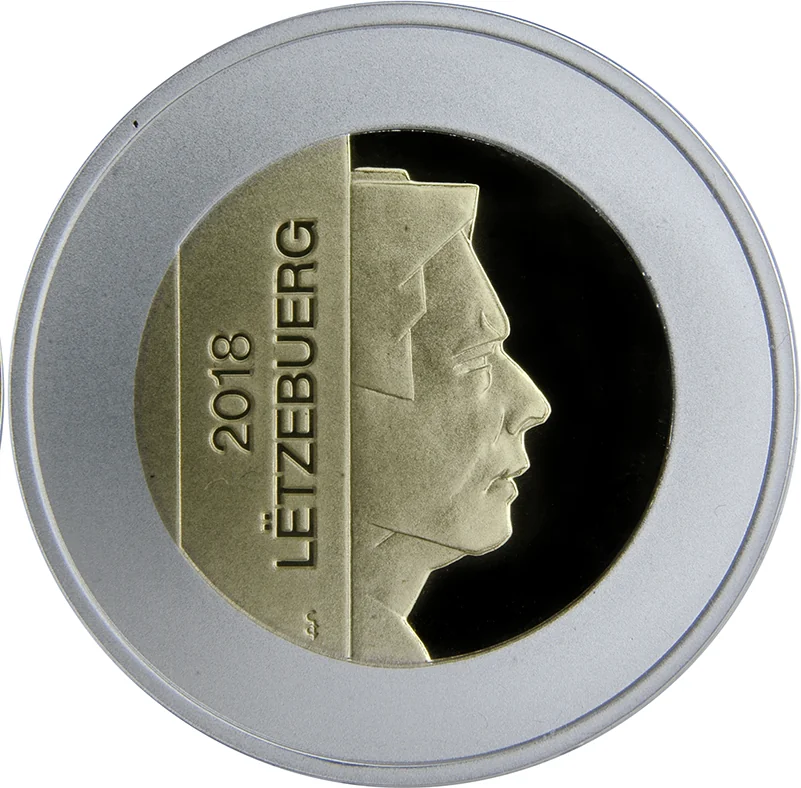
In 2018, the Grand Duchy of Luxembourg, as a founding member of the Eurozone, had the euro (EUR) as its sole official currency, having fully adopted it in 2002. The country's monetary policy was entirely determined by the European Central Bank (ECB), with Luxembourg participating in the ECB's Governing Council through its central bank, the Banque Centrale du Luxembourg (BCL). The year was characterized by Luxembourg's robust and stable financial sector operating seamlessly within the single currency area, which facilitated its role as a major international financial hub. The euro provided significant advantages, including elimination of exchange rate risk with key trading partners and price transparency, which supported the nation's highly open, service-driven economy.
Domestically, the currency situation was stable, with no notable inflationary pressures or liquidity concerns specific to Luxembourg. The country continued to benefit from its triple-A credit rating, reflecting strong public finances and a high degree of economic resilience. However, as a small, open economy, Luxembourg remained sensitive to broader Eurozone monetary policy decisions and external risks. In 2018, these included the ECB's careful path towards normalizing monetary policy after the post-crisis era, beginning the gradual tapering of its asset purchase program while keeping interest rates at historic lows, a stance that aligned with Luxembourg's economic conditions.
Looking forward, Luxembourg's key currency-related considerations in 2018 were integrated with wider European debates. These included discussions on completing the Banking Union and the potential development of a digital euro, alongside navigating the economic and financial implications of geopolitical uncertainties. The stability of the euro was paramount for Luxembourg's continued economic success, and the nation remained a steadfast proponent of deeper European integration to strengthen the single currency's architecture, ensuring its sovereignty and monetary stability were inextricably linked to the Eurozone's overall health.