

5 euro – Luxembourg
Add to wishlist
Luxembourg
Context
Year: 2014
Issuer: Luxembourg
Issuing organization: Central Bank of Luxembourg
Period:
Ruler: Henry
Currency:
(since 2002)
Total mintage: 3,000
Material
References
KM: #
Numista: #66937
Value
Exchange value: 5 EUR
Inflation-adjusted value: 6.38 EUR
Obverse
Description:
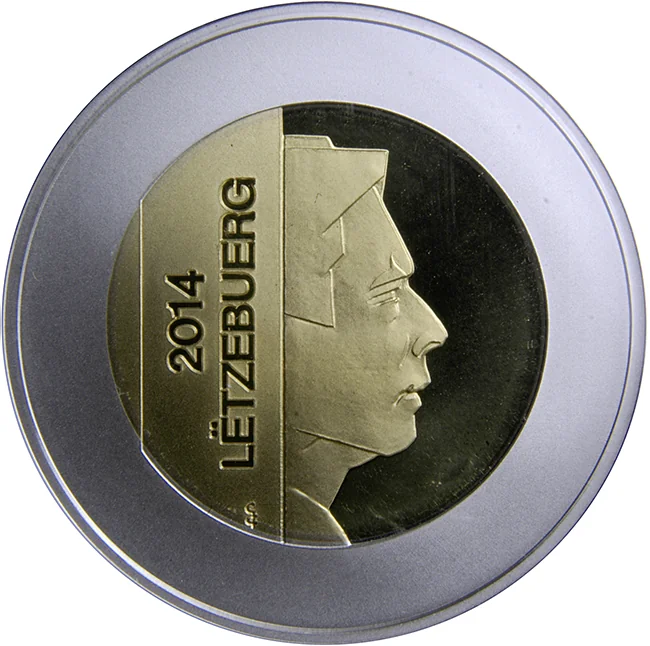
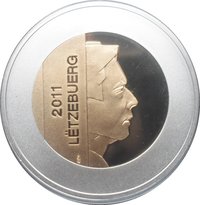
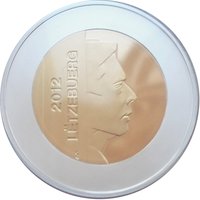
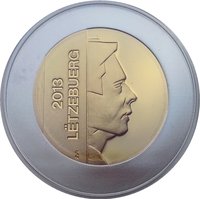
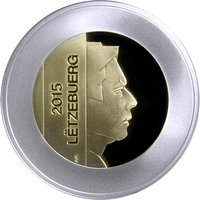
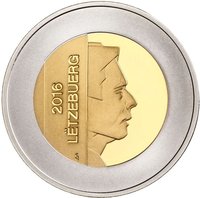
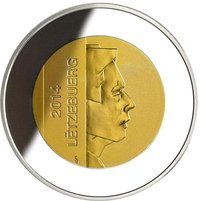
A geometric portrait of Grand Duke Henri is paired with the inscription "LËTZEBUERG 2014".
Inscription:
2014
LËTZEBUERG
GC
LËTZEBUERG
GC
Translation:
Grand Duchy of Luxembourg
2014
2014
Script: Latin
Languages: French, Luxembourgish
Reverse
Description:
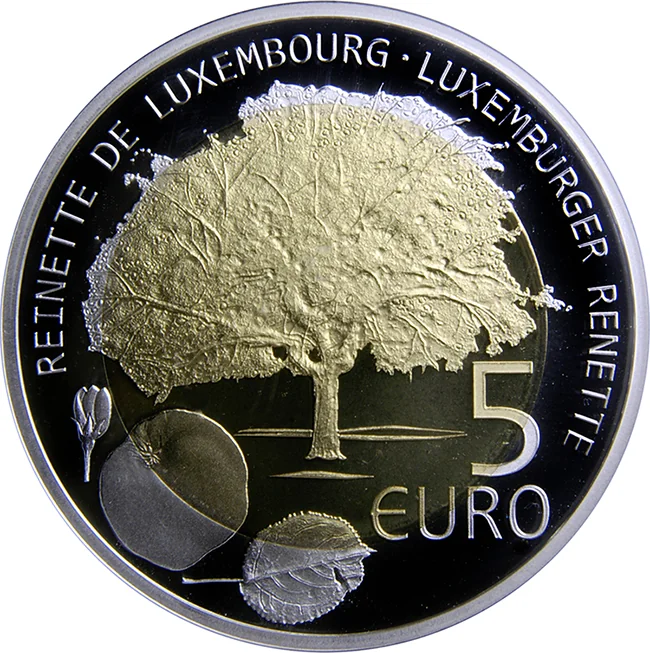
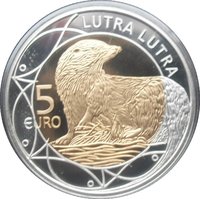
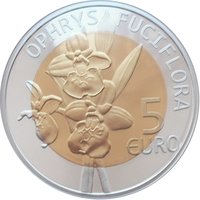
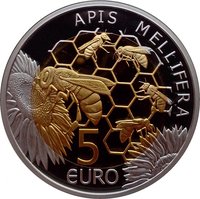
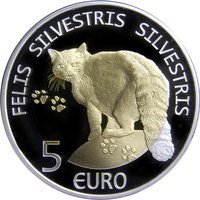
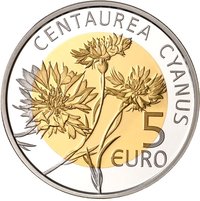
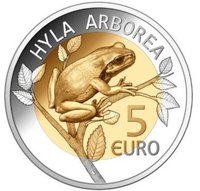
Apple tree bearing one fruit and a leaf.
Inscription:
REINETTE DE LUXEMBOURG · LUXEMBURGER RENETTE
5
EURO
5
EURO
Script: Latin
Edge
Plain
Mints
| Name | Mark |
|---|---|
| Royal Dutch Mint | — |
Mintings
| Year | Mint Mark | Mintage | Quality | Collection |
|---|---|---|---|---|
| 2014 | — | 3,000 | Proof |
Series: Fauna and Flora of Luxembourg
💎 Extremely Rare