

20 francs – Algeria
Add to wishlist
Algeria
Context
Years: 1949–1956
Issuer: Algeria
Period:
(1830—1962)
Currency:
(1848—1959)
Demonetization: 15 September 1966
Total mintage: 33,056,400
Material
References
KM: #
Numista: #797
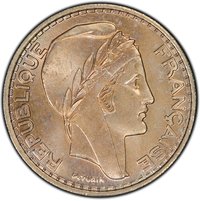
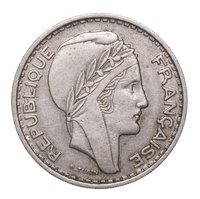
Obverse
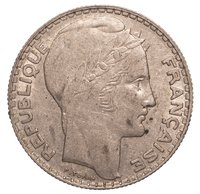
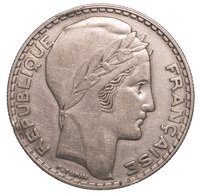
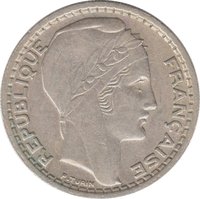
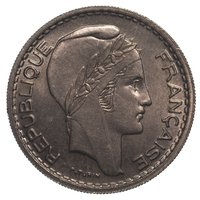
Description:
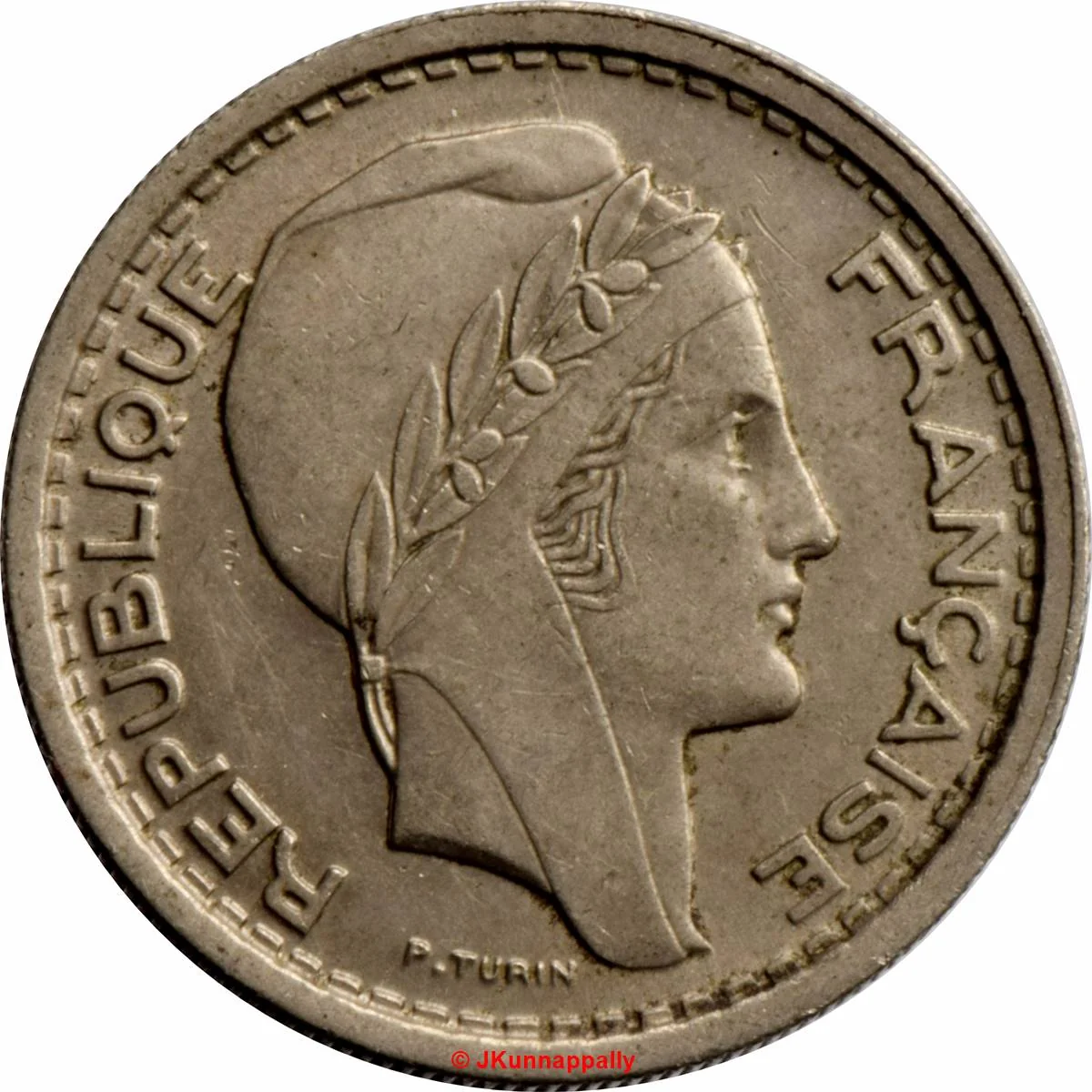
Marianne facing right.
Inscription:
REPUBLIQUE FRANÇAISE
P. TURIN
P. TURIN
Translation:
FRENCH REPUBLIC
P. TURIN
P. TURIN
Script: Latin
Language: French
Engraver: Pierre Turin
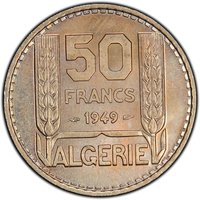
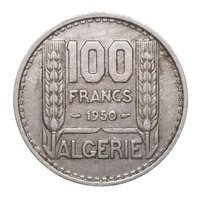
Reverse
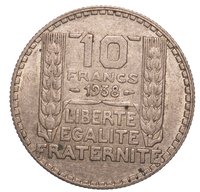
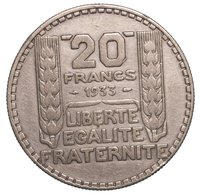
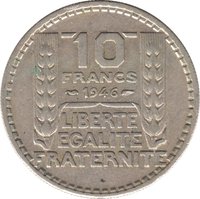
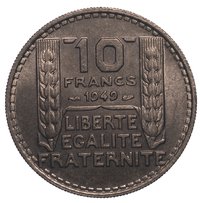
Description:
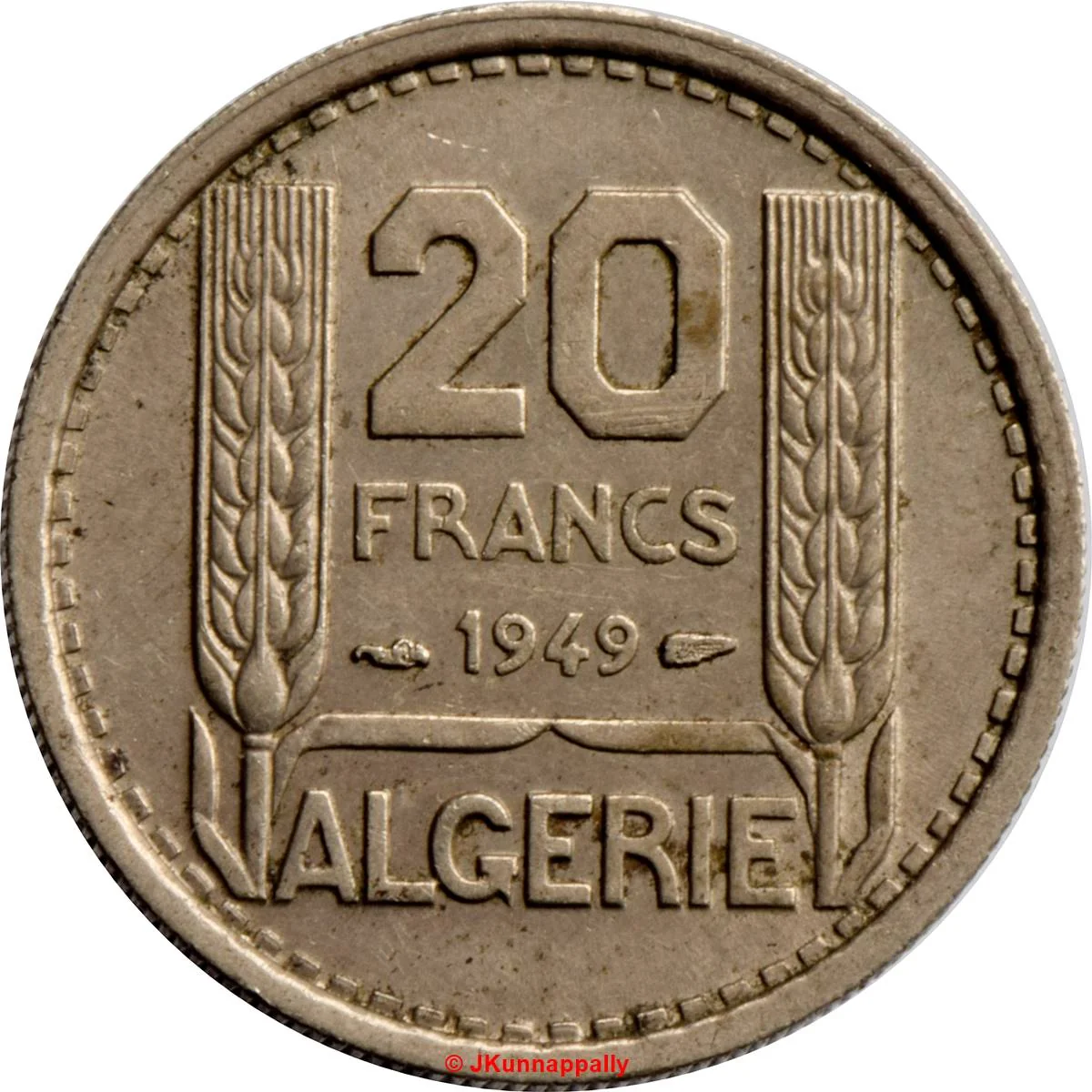
Value above date, wheat ears flank, country name below.
Inscription:
20
FRANCS
1949
ALGERIE
FRANCS
1949
ALGERIE
Translation:
20 Francs
1949
Algeria
1949
Algeria
Script: Latin
Language: French
Engraver: Pierre Turin
Edge
Reeded
Categories
| Symbol> Phrygian cap |
| Symbol> Allegory |
Mints
| Name | Mark |
|---|---|
| Monnaie de Paris | — |
Mintings
| Year | Mint Mark | Mintage | Quality | Collection |
|---|---|---|---|---|
| 1949 | — | 25,556,400 | ||
| 1956 | — | 7,500,000 |
Historical background
In 1949, Algeria's currency situation was intrinsically tied to its status as a French colony, operating under the monetary framework of the Franc Zone. The official currency was the Algerian franc, which was legally pegged at par with the French metropolitan franc and guaranteed by the French Treasury. This arrangement meant Algeria had no independent monetary policy; its money supply, interest rates, and foreign exchange reserves were all managed from Paris, ensuring economic integration with France but subordinating local financial needs to those of the colonial power.
Economically, the post-World War II period saw significant inflationary pressures across the Franc Zone, impacting Algeria. The fixed parity and guaranteed convertibility facilitated the flow of capital and trade, primarily benefiting the colons (European settlers) and French commercial interests. However, this system also perpetuated structural imbalances, channeling Algerian agricultural and mineral resources to the metropole while importing manufactured goods. The currency regime thus reinforced a colonial economic model of extraction and dependency, rather than fostering diversified local industrial development.
Politically, the currency union was a clear symbol of French sovereignty, coming at a time when nationalist sentiments were beginning to coalesce in the aftermath of the 1945 Sétif and Guelma massacres. While the franc's stability was advantageous for trade and the settler economy, it underscored Algeria's lack of fiscal and monetary autonomy. This financial control was one facet of the broader colonial administration that would be increasingly challenged in the following decade, culminating in the outbreak of the Algerian War in 1954. The 1949 currency situation, therefore, represents a period of enforced stability on the surface, masking the deepening economic and political fractures within Algerian society.
Economically, the post-World War II period saw significant inflationary pressures across the Franc Zone, impacting Algeria. The fixed parity and guaranteed convertibility facilitated the flow of capital and trade, primarily benefiting the colons (European settlers) and French commercial interests. However, this system also perpetuated structural imbalances, channeling Algerian agricultural and mineral resources to the metropole while importing manufactured goods. The currency regime thus reinforced a colonial economic model of extraction and dependency, rather than fostering diversified local industrial development.
Politically, the currency union was a clear symbol of French sovereignty, coming at a time when nationalist sentiments were beginning to coalesce in the aftermath of the 1945 Sétif and Guelma massacres. While the franc's stability was advantageous for trade and the settler economy, it underscored Algeria's lack of fiscal and monetary autonomy. This financial control was one facet of the broader colonial administration that would be increasingly challenged in the following decade, culminating in the outbreak of the Algerian War in 1954. The 1949 currency situation, therefore, represents a period of enforced stability on the surface, masking the deepening economic and political fractures within Algerian society.
Series: Francs Turin
🌱 Very Common