

20 Kwacha – Malawi
Malawi
Context
Material
Diameter: 38.6 mm
Weight: 31.4 g
Silver weight: 29.05 g
Thickness: 3.36 mm
Shape: Round
Composition: 92.5% Silver
Standard: Silver ounce
Magnetic: No
Technique: Milled
Alignment: Medal alignment

flip
References
KM: #Click to copy to clipboard35
Numista: #68445
Value
Exchange value: 20 MWK
Bullion value: $83.13
Obverse
Description:
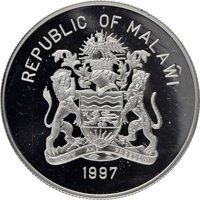
Coat of Arms of Malawi, with date.
Inscription:
REPUBLIC OF MALAWI
UNITY AND FREEDOM
1996
UNITY AND FREEDOM
1996
Script: Latin
Reverse
Description:
African elephants with calves in water.
Inscription:
ENDANGERED WILDLIFE
20 KWACHA
20 KWACHA
Script: Latin
Edge
Reeded
Categories
| Animal> Elephant |
| Symbols> Coat of Arms |
Mintings
| Year | Mint Mark | Mintage | Quality | Collection |
|---|---|---|---|---|
| 1996 | — | 15,000 |
Historical background
In 1996, Malawi's currency situation was defined by a period of relative stability under a fixed exchange rate regime, but one that masked underlying economic vulnerabilities. The Malawian kwacha (MWK) was pegged to a basket of currencies, heavily weighted towards the US dollar, at an official rate of approximately 15.3 kwacha to one US dollar. This peg, managed by the Reserve Bank of Malawi (RBM), was maintained to provide predictability for trade and investment, a policy supported by the International Monetary Fund (IMF) as part of a structural adjustment programme.
However, this official stability existed alongside a thriving black market, where the kwacha traded at a significant discount, often around 30 to 40 percent weaker. This disparity highlighted the overvaluation of the official rate, which hurt export competitiveness for key commodities like tobacco, tea, and sugar. The fixed rate, combined with loose fiscal and monetary policies, led to a steady depletion of foreign exchange reserves, making it difficult for businesses to access hard currency for essential imports through official channels.
Consequently, 1996 represented the calm before a major monetary crisis. The pressures from the overvalued currency, dwindling reserves, and conditionalities from international donors created an unsustainable position. These mounting imbalances would ultimately force the government to abandon the peg just a few years later, leading to a substantial devaluation in 1998 as part of broader economic liberalisation measures demanded by the IMF and World Bank.
However, this official stability existed alongside a thriving black market, where the kwacha traded at a significant discount, often around 30 to 40 percent weaker. This disparity highlighted the overvaluation of the official rate, which hurt export competitiveness for key commodities like tobacco, tea, and sugar. The fixed rate, combined with loose fiscal and monetary policies, led to a steady depletion of foreign exchange reserves, making it difficult for businesses to access hard currency for essential imports through official channels.
Consequently, 1996 represented the calm before a major monetary crisis. The pressures from the overvalued currency, dwindling reserves, and conditionalities from international donors created an unsustainable position. These mounting imbalances would ultimately force the government to abandon the peg just a few years later, leading to a substantial devaluation in 1998 as part of broader economic liberalisation measures demanded by the IMF and World Bank.
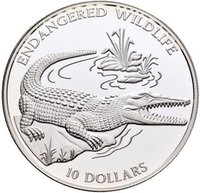
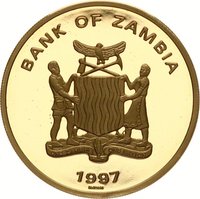
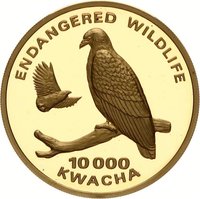
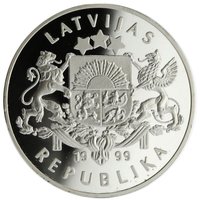
Series: Endangered Wildlife

✨ Legendary