

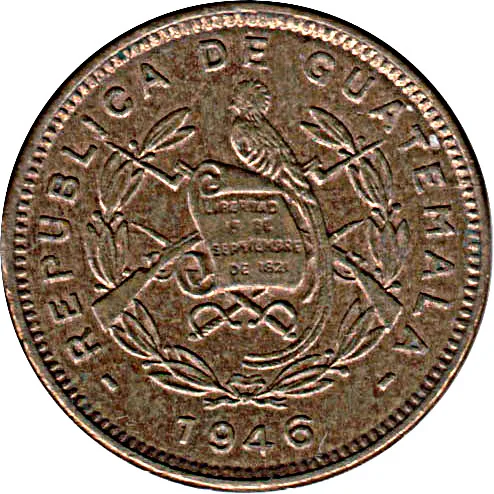
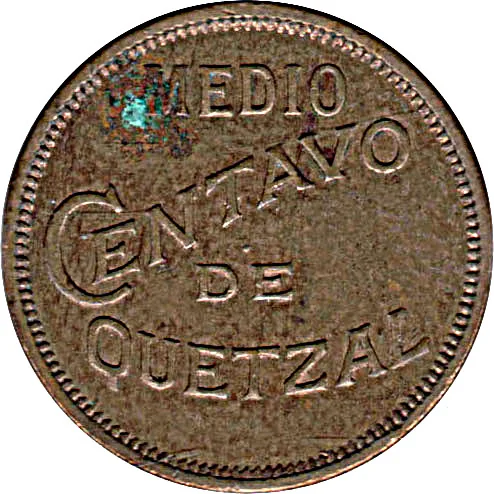
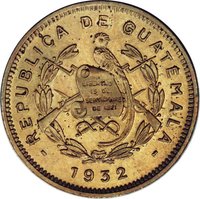
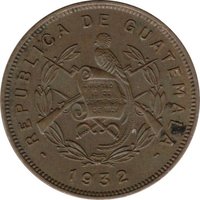
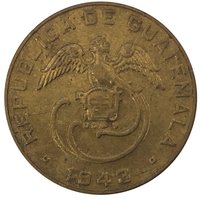
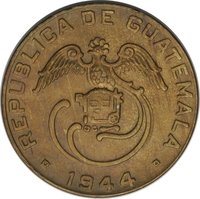
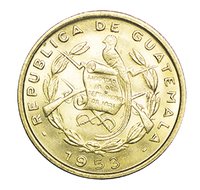
Obverse
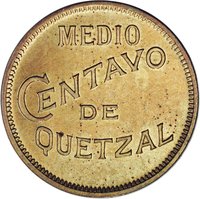
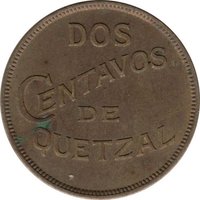
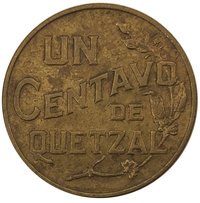
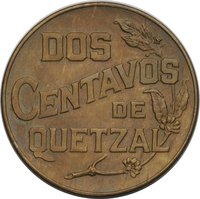
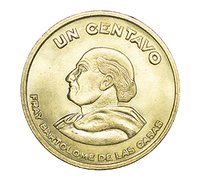
Reverse
Edge
Plain
Categories
| Symbols> Coat of Arms |
Mints
| Name | Mark |
|---|---|
| Casa de Moneda de Guatemala | — |
Mintings
| Year | Mint Mark | Mintage | Quality | Collection |
|---|---|---|---|---|
| 1946 | — | 64,000 |
Historical background
In 1946, Guatemala’s currency situation was defined by stability under the long-standing gold standard, with the Quetzal (GTQ) serving as the national currency. Established in 1925 during a major monetary reform, the Quetzal was created to replace the peso and was deliberately pegged at par with the United States dollar. This parity was backed by substantial gold reserves, which instilled significant confidence in the currency both domestically and internationally. The system was managed conservatively by the Bank of Guatemala, founded just a few years prior in 1946 itself, which took over monetary authority from a private international consortium, marking a step toward greater national economic sovereignty.
The economy supporting this currency was primarily agrarian and export-dependent, with coffee, bananas, and later cotton being the major foreign exchange earners. The stability of the Quetzal facilitated predictable trade and investment, particularly with the United States, which was Guatemala's dominant trading partner. This period fell within the era of the "Ten Years of Spring" (1944-1954), a time of progressive social and political reforms following the overthrow of dictator Jorge Ubico. The governments of Juan José Arévalo and later Jacobo Árbenz pursued modernization, but their economic policies in this period did not radically alter the fundamental monetary structure, which remained orthodox.
Consequently, 1946 represents a point of calm before significant economic shifts. The currency itself faced no crisis or devaluation; inflation was low, and the fixed exchange rate regime functioned smoothly. However, the very dependence on a few agricultural commodities created underlying vulnerabilities. The major economic and political upheavals—including a profound land reform and eventual foreign intervention in 1954—that would later challenge this monetary stability were still on the horizon. Thus, in 1946, the Guatemalan Quetzal stood as a symbol of orthodox financial management within a society beginning to grapple with demands for structural change.
The economy supporting this currency was primarily agrarian and export-dependent, with coffee, bananas, and later cotton being the major foreign exchange earners. The stability of the Quetzal facilitated predictable trade and investment, particularly with the United States, which was Guatemala's dominant trading partner. This period fell within the era of the "Ten Years of Spring" (1944-1954), a time of progressive social and political reforms following the overthrow of dictator Jorge Ubico. The governments of Juan José Arévalo and later Jacobo Árbenz pursued modernization, but their economic policies in this period did not radically alter the fundamental monetary structure, which remained orthodox.
Consequently, 1946 represents a point of calm before significant economic shifts. The currency itself faced no crisis or devaluation; inflation was low, and the fixed exchange rate regime functioned smoothly. However, the very dependence on a few agricultural commodities created underlying vulnerabilities. The major economic and political upheavals—including a profound land reform and eventual foreign intervention in 1954—that would later challenge this monetary stability were still on the horizon. Thus, in 1946, the Guatemalan Quetzal stood as a symbol of orthodox financial management within a society beginning to grapple with demands for structural change.
Series: System: 1925-1949
⭐ Rare