

1.5 euro – Lithuania
Add to wishlist
Non-circulating coins
Commemoration: The Twelve Brothers, Twelve Black Ravens
Series: Tales from My Childhood
Lithuania
Context
Material
Diameter: 27.5 mm
Weight: 11.1 g
Thickness: 2.2 mm
Shape: Round
Composition: Copper-nickel
Technique: Milled
Alignment: Medal alignment
flip
References
KM: #
Numista: #415058
Value
Exchange value: 1.50 EUR
Inflation-adjusted value: 1.52 EUR
Obverse
Description:
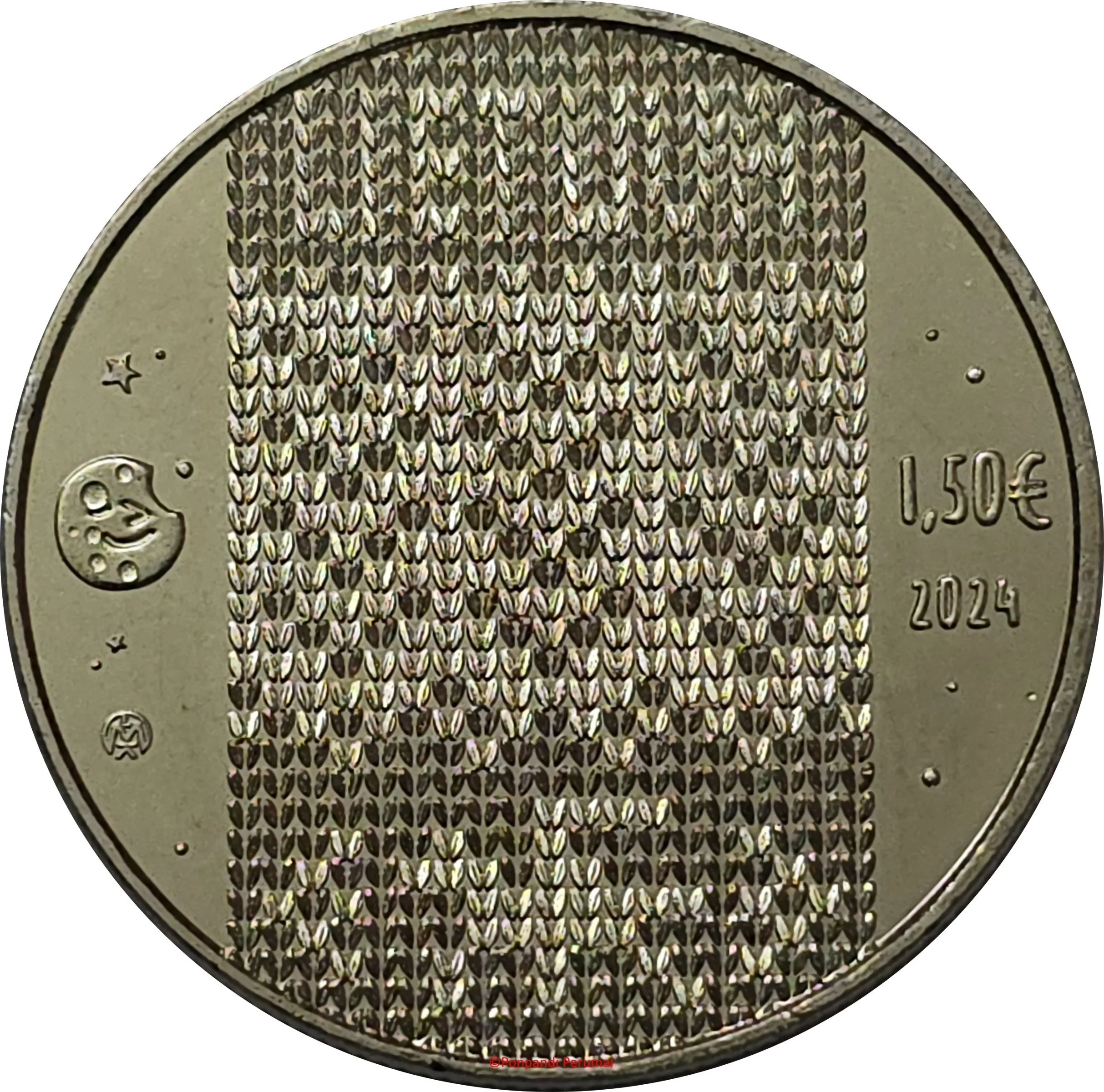
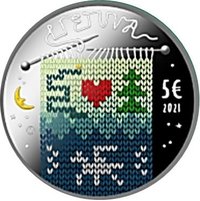
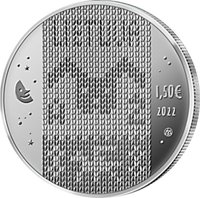
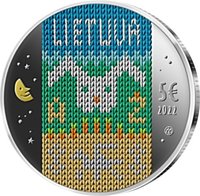
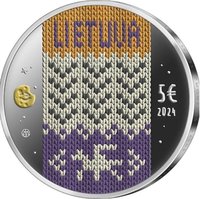
Knitted cloth design. Country name above, Vytis knight below. Value and date on right, mint mark on left.
Inscription:
LIETUVA
1,50€
2024
1,50€
2024
Translation:
LITHUANIA
1.50€
2024
1.50€
2024
Script: Latin
Language: Lithuanian
Designer: Eglė Žemaitė
Reverse
Description:
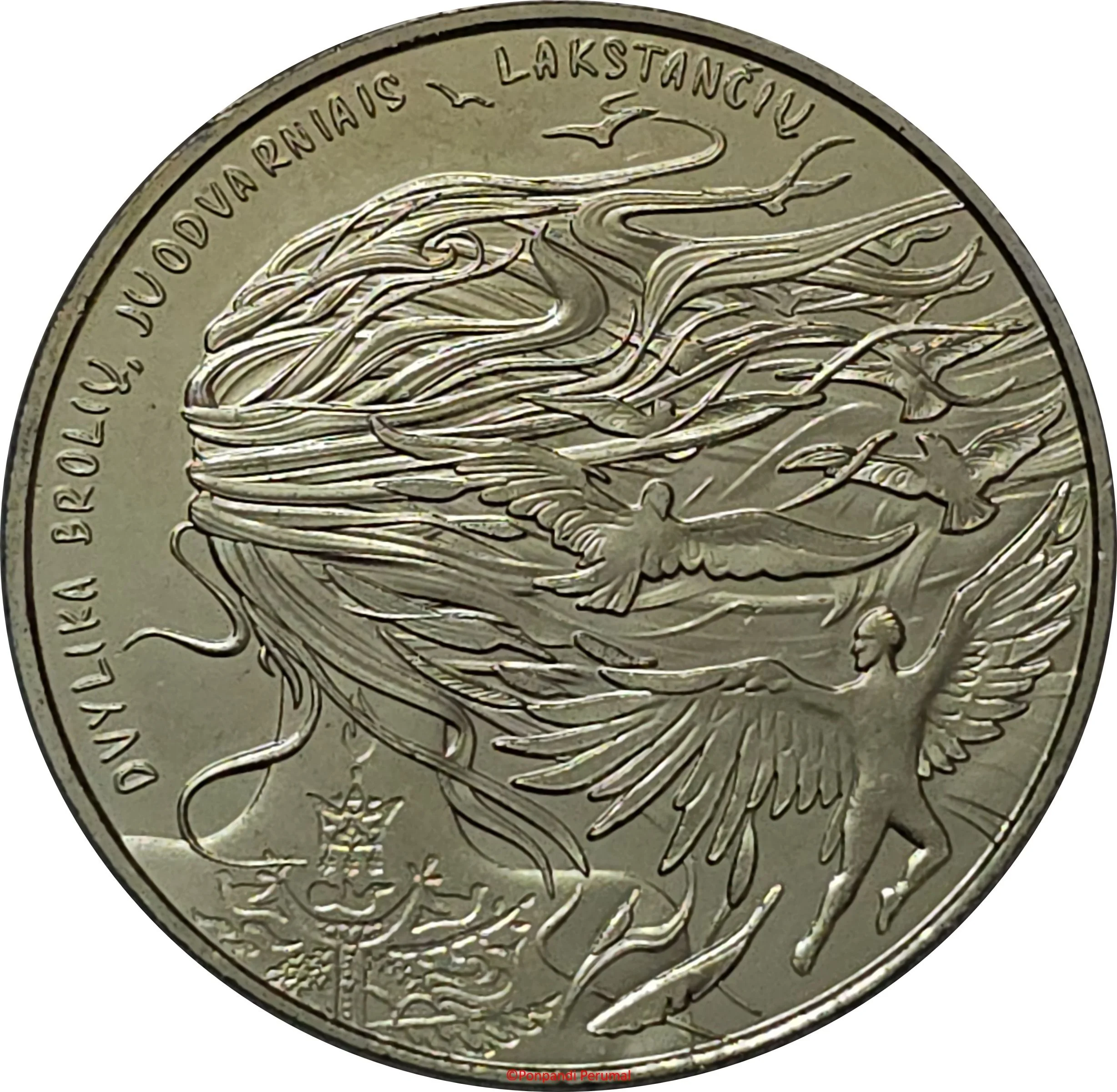
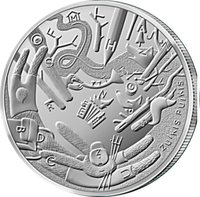
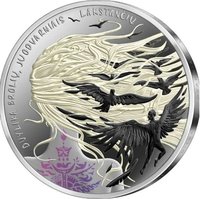
Rear view bust of a woman with ravens and a figure in her hair, and neck and shoulder tattoos.
Inscription:
DVYLIKA BROLIŲ , JUODVARNIAIS LAKSTANČIŲ
Translation:
Twelve brothers, flying like black crows.
Script: Latin
Language: Lithuanian
Designer: Eglė Žemaitė
Edge
Reeded.
Mints
| Name | Mark |
|---|---|
| Lithuanian Mint | (LMK) |
Mintings
| Year | Mint Mark | Mintage | Quality | Collection |
|---|---|---|---|---|
| 2024 | — | 30,000 |
Historical background
In 2024, Lithuania remains a fully integrated member of the Eurozone, having adopted the euro as its official currency on January 1, 2015. This move replaced the former national currency, the litas, which had been pegged to the euro since 2002. Consequently, the country's monetary policy is set by the European Central Bank (ECB), aligning Lithuania's financial stability and interest rates with the broader Eurozone framework. This integration provides benefits like reduced transaction costs, eliminated exchange rate risk within the Eurozone, and a strong symbol of Lithuania's commitment to the European project.
The primary domestic discussions around currency in 2024 are not about reverting to the litas—a move supported by only a small minority—but focus on the practical impacts of the ECB's policies. Like other Eurozone nations, Lithuania is navigating the aftermath of high inflation and the ECB's subsequent interest rate hikes. The key concerns for businesses and households are the cost of credit and the pace of disinflation, as the tight monetary policy aimed at curbing inflation also slows economic growth. These are shared Eurozone challenges, not unique Lithuanian ones.
Looking forward, Lithuania continues to actively participate in the development of the digital euro project, a key initiative for the future of the common currency. Domestically, financial technology and electronic payments are highly advanced, with a very high adoption rate of cashless transactions. Therefore, the "currency situation" is one of stable consolidation within the Eurozone, with national economic debate centered on fiscal policy, energy independence, and competitiveness, rather than on the currency itself, which is seen as a settled and foundational element of the modern Lithuanian economy.
The primary domestic discussions around currency in 2024 are not about reverting to the litas—a move supported by only a small minority—but focus on the practical impacts of the ECB's policies. Like other Eurozone nations, Lithuania is navigating the aftermath of high inflation and the ECB's subsequent interest rate hikes. The key concerns for businesses and households are the cost of credit and the pace of disinflation, as the tight monetary policy aimed at curbing inflation also slows economic growth. These are shared Eurozone challenges, not unique Lithuanian ones.
Looking forward, Lithuania continues to actively participate in the development of the digital euro project, a key initiative for the future of the common currency. Domestically, financial technology and electronic payments are highly advanced, with a very high adoption rate of cashless transactions. Therefore, the "currency situation" is one of stable consolidation within the Eurozone, with national economic debate centered on fiscal policy, energy independence, and competitiveness, rather than on the currency itself, which is seen as a settled and foundational element of the modern Lithuanian economy.
Series: Tales from My Childhood


🌟 Uncommon