

1.5 euro – Lithuania
Add to wishlist
Lithuania
Context
Material
Diameter: 27.5 mm
Weight: 11.1 g
Thickness: 2.2 mm
Shape: Round
Composition: Copper-nickel
Technique: Milled
Alignment: Medal alignment
flip
References
KM: #
Numista: #332685
Value
Exchange value: 1.50 EUR
Inflation-adjusted value: 1.99 EUR
Obverse
Description:
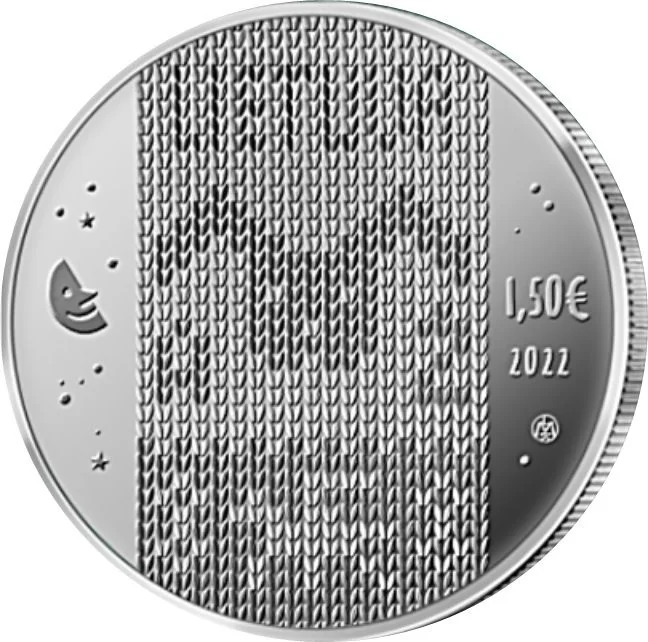
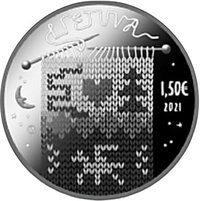
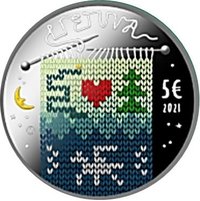
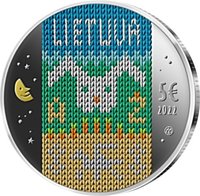
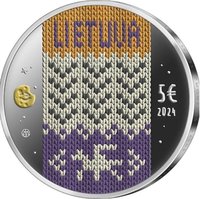
The obverse depicts the tale's main knitting motif, the inscription "Lietuva," and a silhouette of the Vytis, surrounded by stars and a moon evoking a cozy storytelling evening. The right side features the denomination €1.50 and the issue year 2022.
Inscription:
LIETUVA
1,50€
2022
LMK
1,50€
2022
LMK
Translation:
LITHUANIA
1.50€
2022
LMK
1.50€
2022
LMK
Script: Latin
Designer: Eglė Ratkutė-Žemaitė
Reverse
Description:
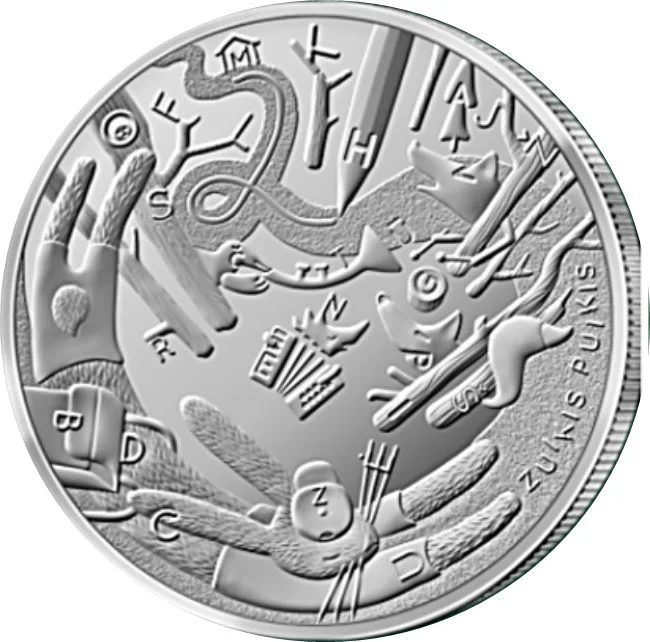
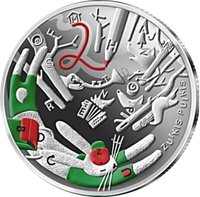
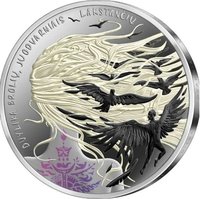
The reverse features Zuikis Puikis, the hero of Eduardas Mieželaitis's fairy tale, playfully skittering toward the number 2, accompanied by storytelling forest animals. The design includes the tale's title and a game of hidden alphabet letters.
Inscription:
ZUIKIS PUIKIS
S F H R M K Z U B C D
2
S F H R M K Z U B C D
2
Script: Latin
Designer: Eglė Ratkutė-Žemaitė
Edge
Reeded
Categories
| Art> Fictional character |
| Animal> Rabbit |
| Education |
Mints
| Name | Mark |
|---|---|
| Lithuanian Mint | (LMK) |
Mintings
| Year | Mint Mark | Mintage | Quality | Collection |
|---|---|---|---|---|
| 2022 | LMK | 30,000 |
Historical background
In 2022, Lithuania’s currency situation was firmly anchored within the Eurozone, having adopted the euro as its sole legal tender on January 1, 2015. This meant the country no longer managed an independent monetary policy or a national currency like the former litas. Consequently, Lithuania’s interest rates and broader monetary stance were set by the European Central Bank (ECB) in Frankfurt, with a primary focus on controlling Eurozone-wide inflation, which began surging in late 2021 due to global energy shocks and supply chain disruptions.
The key domestic financial discussions in 2022 therefore revolved not around exchange rates, but around the impact of the ECB’s policy responses on the Lithuanian economy. As inflation in the Eurozone soared, the ECB initiated a series of interest rate hikes starting in July 2022. For Lithuanian businesses and households, this translated into higher borrowing costs for mortgages and loans, which aimed to cool demand and curb inflation but also risked slowing economic growth. The national debate centered on balancing this anti-inflationary pressure with the need to support economic resilience, especially given the economic uncertainty following Russia’s invasion of Ukraine.
Furthermore, Lithuania’s euro membership provided significant stability during a year of global geopolitical and economic turmoil. It eliminated currency risk in trade with its main Eurozone partners and provided a solid foundation for financial stability, shielding the country from potential speculative attacks or devaluation pressures that might have affected non-euro neighbors. The focus for Lithuanian authorities was thus on fiscal policy, energy security, and targeted support measures to mitigate inflation's impact, while the currency itself remained a stable, supranational tool managed externally for the collective good of the monetary union.
The key domestic financial discussions in 2022 therefore revolved not around exchange rates, but around the impact of the ECB’s policy responses on the Lithuanian economy. As inflation in the Eurozone soared, the ECB initiated a series of interest rate hikes starting in July 2022. For Lithuanian businesses and households, this translated into higher borrowing costs for mortgages and loans, which aimed to cool demand and curb inflation but also risked slowing economic growth. The national debate centered on balancing this anti-inflationary pressure with the need to support economic resilience, especially given the economic uncertainty following Russia’s invasion of Ukraine.
Furthermore, Lithuania’s euro membership provided significant stability during a year of global geopolitical and economic turmoil. It eliminated currency risk in trade with its main Eurozone partners and provided a solid foundation for financial stability, shielding the country from potential speculative attacks or devaluation pressures that might have affected non-euro neighbors. The focus for Lithuanian authorities was thus on fiscal policy, energy security, and targeted support measures to mitigate inflation's impact, while the currency itself remained a stable, supranational tool managed externally for the collective good of the monetary union.
Series: Tales from My Childhood


🌟 Uncommon