

20 Centavos – Portugal
Portugal
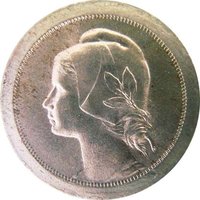
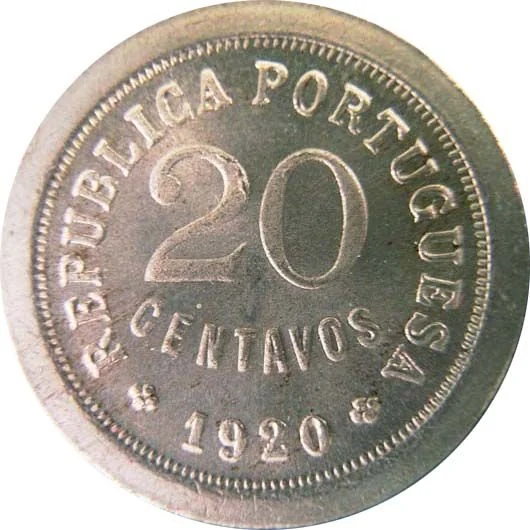
Obverse
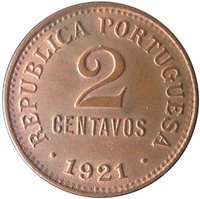
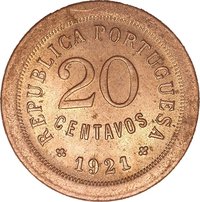
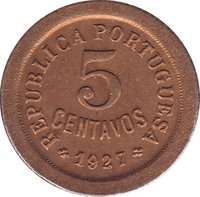
Inscription:
REPUBLICA PORTUGUESA
20 CENTAVOS
1920
20 CENTAVOS
1920
Translation:
Portuguese Republic
20 Centavos
1920
20 Centavos
1920
Script: Latin
Language: Portuguese
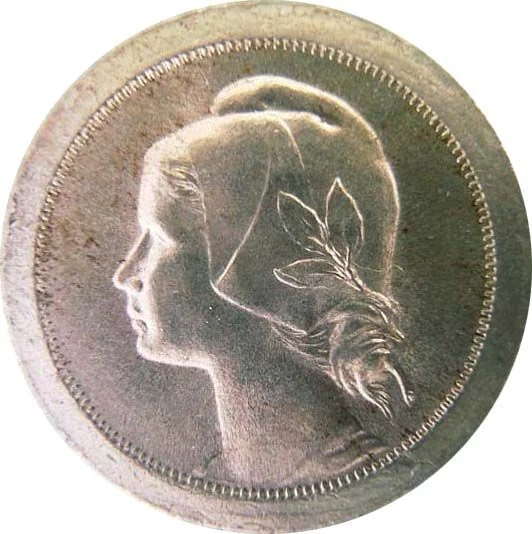
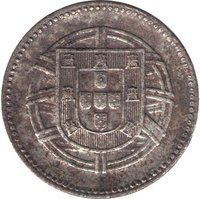
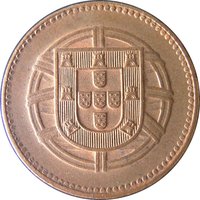
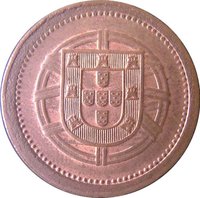
Reverse
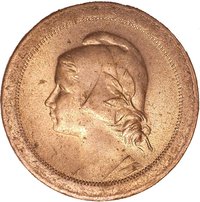
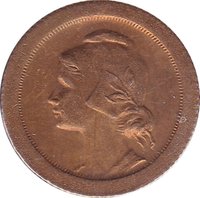
Description:
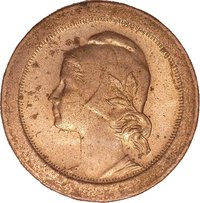
Left-facing republic.
Script: Latin
Edge
Reeded (Alternated with plain)
Mints
| Name | Mark |
|---|---|
| Imprensa Nacional - Casa da Moeda | — |
Mintings
| Year | Mint Mark | Mintage | Quality | Collection |
|---|---|---|---|---|
| — | — | — | ||
| 1920 | — | — | ||
| 1922 | — | — |
Historical background
In 1920, Portugal was grappling with severe economic and political instability that manifested in a rapidly deteriorating currency situation. The Portuguese escudo, which had been introduced in 1911 to replace the monarchy's real, was already under pressure from Portugal's costly involvement in World War I. The war effort had been financed largely through foreign borrowing and the printing of money, leading to significant inflation and a growing budget deficit. By the dawn of the 1920s, the escudo's value on international exchanges was falling sharply, and the country's gold reserves were perilously low.
This monetary crisis was exacerbated by profound political chaos. The period known as the "Old Republic" (1910-1926) was characterized by frequent changes in government, with nine different cabinets in 1920 alone. This political volatility prevented the implementation of any coherent fiscal or monetary policy. Successive governments continued deficit spending and relied on the Bank of Portugal to issue more currency, fueling a vicious cycle of inflation and currency depreciation. Public confidence in the escudo evaporated, leading to hoarding of specie and a preference for more stable foreign currencies.
Consequently, Portugal entered a decade of chronic monetary instability. The 1920s would see continued escudo depreciation, soaring public debt, and rampant inflation, severely eroding purchasing power and living standards. This economic turmoil created a fertile ground for social unrest and ultimately contributed to the military coup of 1926, which ended the parliamentary republic and paved the way for the authoritarian Estado Novo regime under António de Oliveira Salazar, who would later prioritize currency stabilization and fiscal orthodoxy.
This monetary crisis was exacerbated by profound political chaos. The period known as the "Old Republic" (1910-1926) was characterized by frequent changes in government, with nine different cabinets in 1920 alone. This political volatility prevented the implementation of any coherent fiscal or monetary policy. Successive governments continued deficit spending and relied on the Bank of Portugal to issue more currency, fueling a vicious cycle of inflation and currency depreciation. Public confidence in the escudo evaporated, leading to hoarding of specie and a preference for more stable foreign currencies.
Consequently, Portugal entered a decade of chronic monetary instability. The 1920s would see continued escudo depreciation, soaring public debt, and rampant inflation, severely eroding purchasing power and living standards. This economic turmoil created a fertile ground for social unrest and ultimately contributed to the military coup of 1926, which ended the parliamentary republic and paved the way for the authoritarian Estado Novo regime under António de Oliveira Salazar, who would later prioritize currency stabilization and fiscal orthodoxy.
Series: System 1917-1922
💎 Very Rare