

5 centavos – Portugal
Add to wishlist
Portugal
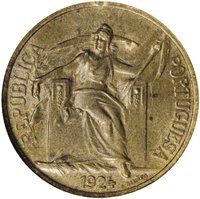
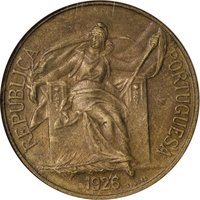
Obverse
Description:
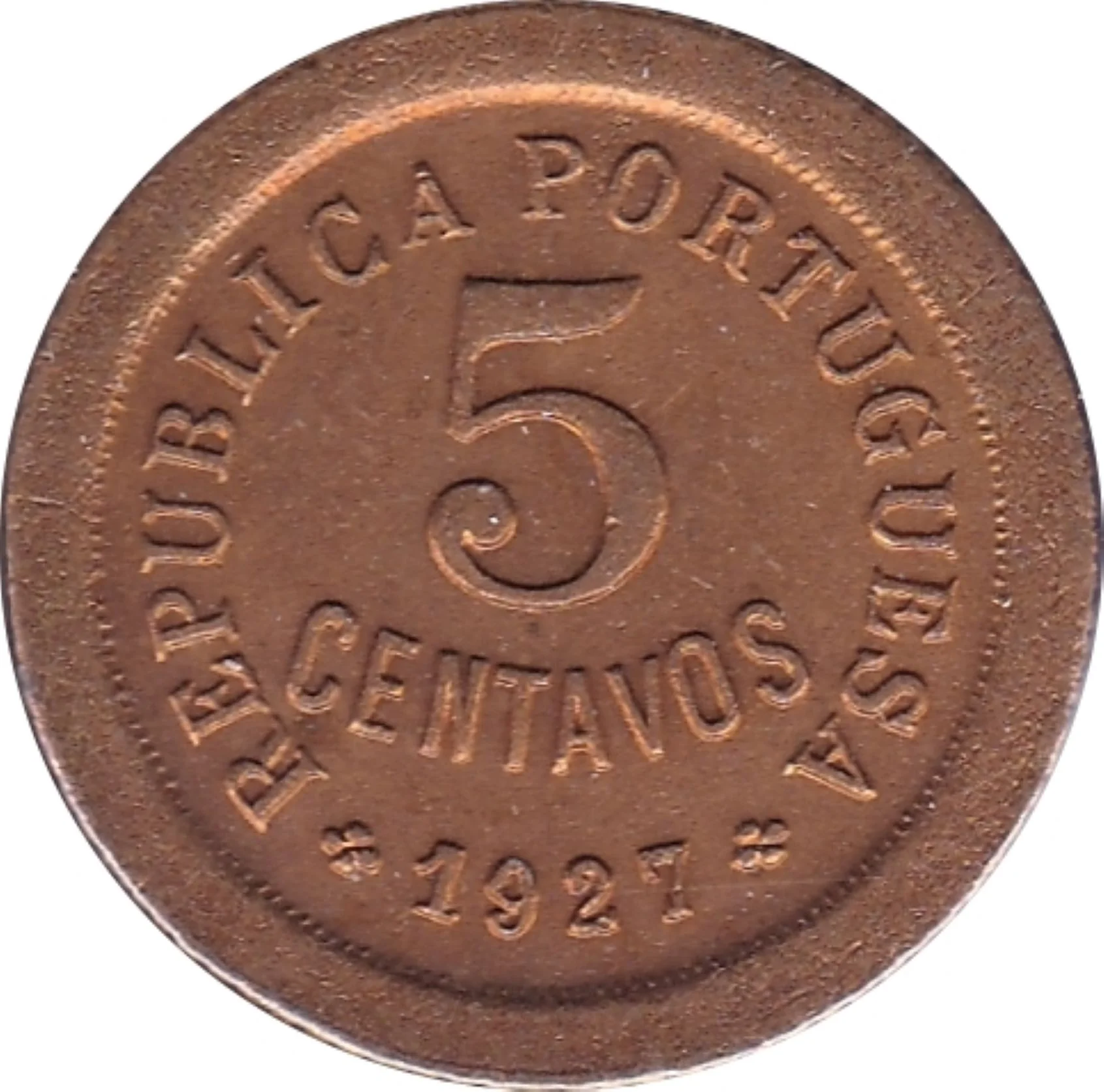
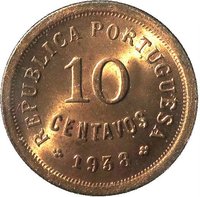
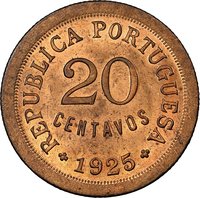
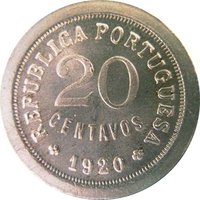
Value, date, lettering.
Inscription:
REPUBLICA PORTUGUESA
5 CENTAVOS 1927
5 CENTAVOS 1927
Translation:
Portuguese Republic
5 Centavos 1927
5 Centavos 1927
Language: Portuguese
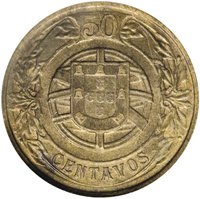
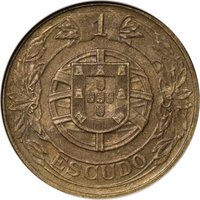
Reverse
Description:
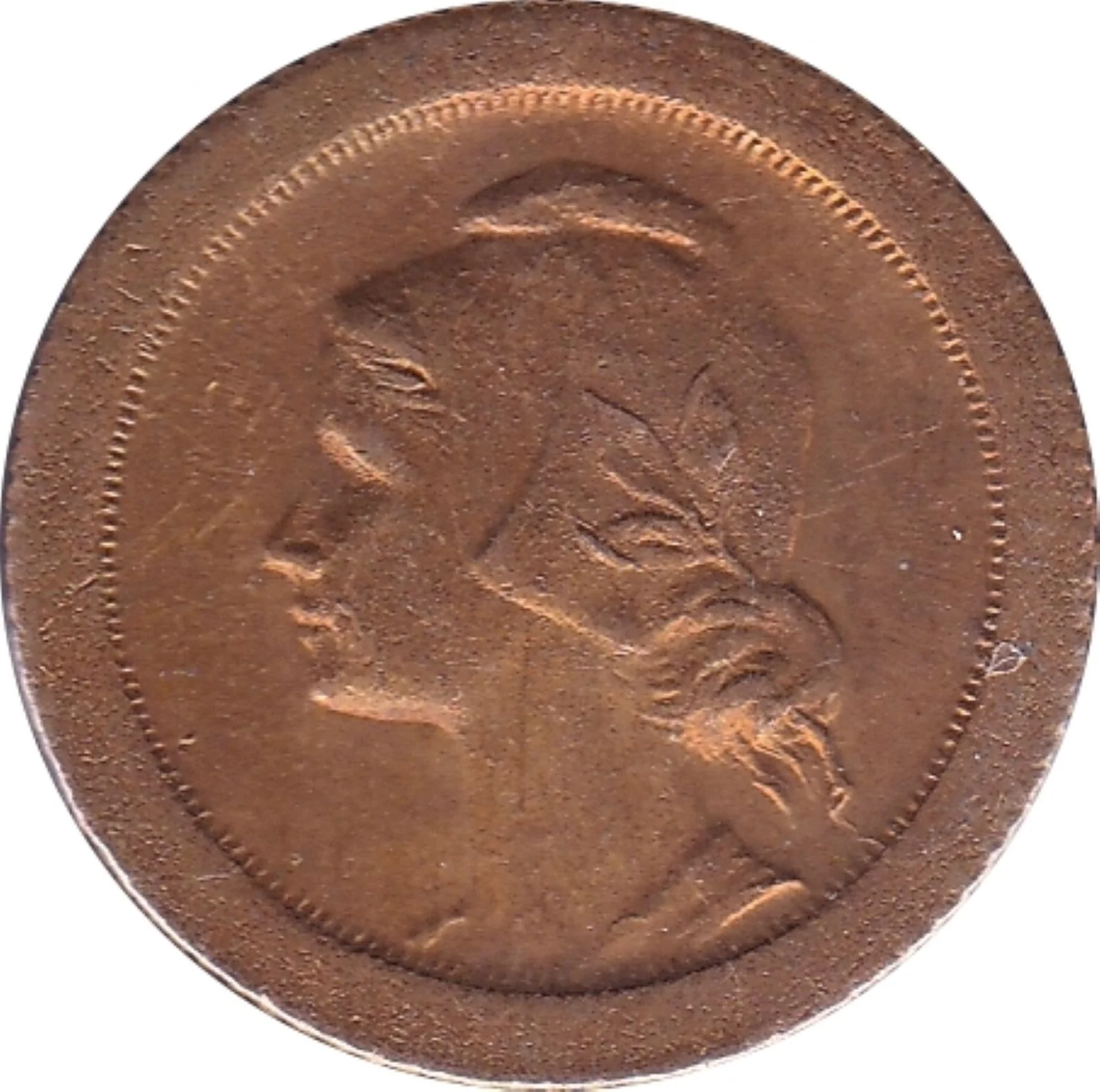
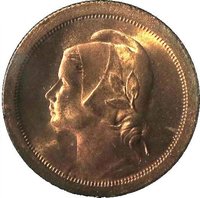
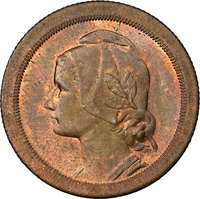
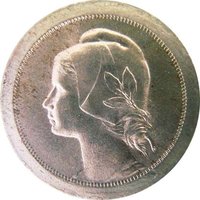
Republic left-facing bust
Script: Latin
Edge
Reeded
Mints
| Name | Mark |
|---|---|
| Imprensa Nacional - Casa da Moeda | — |
Mintings
| Year | Mint Mark | Mintage | Quality | Collection |
|---|---|---|---|---|
| 1924 | — | 6,480,000 | ||
| 1925 | — | 7,260,000 | ||
| 1927 | — | 26,320,000 |
Historical background
In 1924, Portugal's currency situation was characterized by severe instability and depreciation, a direct consequence of the nation's profound political and financial turmoil following World War I and the subsequent First Republic's struggles. The Portuguese escudo, which had been pegged to gold before the war, was now a freely floating and weakening currency. The primary drivers were massive government budget deficits, largely financed by borrowing from the Bank of Portugal, which led to rampant inflation and a loss of domestic and international confidence. This period was part of the broader "Portuguese Banknote Crisis," where the money supply expanded dramatically without economic growth to support it.
The financial chaos was deeply intertwined with political instability. The First Republic (1910-1926) witnessed frequent changes in government, social unrest, and a failure to implement consistent fiscal discipline. Successive administrations resorted to printing money to cover public debts and fund projects, eroding the escudo's purchasing power. By 1924, the currency's value on foreign exchange markets had plummeted, causing a sharp rise in the cost of essential imported goods like wheat and coal. This inflicted significant hardship on the population, particularly the urban working and middle classes whose incomes did not keep pace with inflation.
Ultimately, the currency crisis of 1924 was a critical symptom of the Republic's failing governance, contributing directly to the loss of public faith in democratic institutions. The economic distress and perceived financial mismanagement set the stage for the military coup of May 1926, which ended the parliamentary republic and ushered in the Ditadura Nacional. This authoritarian regime would later, under António de Oliveira Salazar, prioritize monetary stabilization and balanced budgets, but the escudo would not be formally re-pegged and stabilized until the early 1930s.
The financial chaos was deeply intertwined with political instability. The First Republic (1910-1926) witnessed frequent changes in government, social unrest, and a failure to implement consistent fiscal discipline. Successive administrations resorted to printing money to cover public debts and fund projects, eroding the escudo's purchasing power. By 1924, the currency's value on foreign exchange markets had plummeted, causing a sharp rise in the cost of essential imported goods like wheat and coal. This inflicted significant hardship on the population, particularly the urban working and middle classes whose incomes did not keep pace with inflation.
Ultimately, the currency crisis of 1924 was a critical symptom of the Republic's failing governance, contributing directly to the loss of public faith in democratic institutions. The economic distress and perceived financial mismanagement set the stage for the military coup of May 1926, which ended the parliamentary republic and ushered in the Ditadura Nacional. This authoritarian regime would later, under António de Oliveira Salazar, prioritize monetary stabilization and balanced budgets, but the escudo would not be formally re-pegged and stabilized until the early 1930s.
Series: System 1924-1927
🌱 Very Common