

2 Centavos – Portugal
Portugal
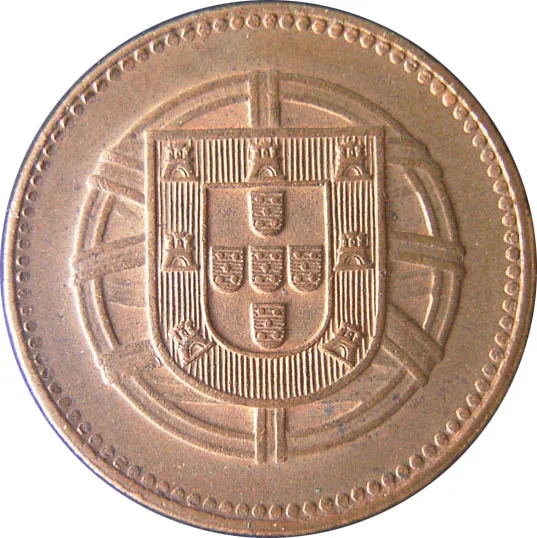
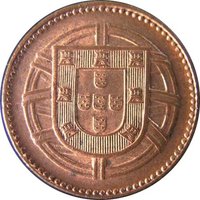
Obverse
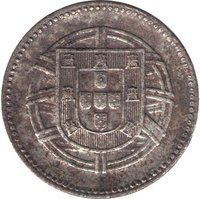
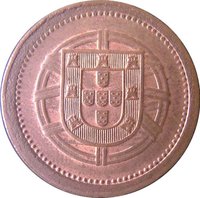
Description:
Armillary sphere under Portuguese shield, within a beaded border.
Engraver: Domingos Alves do Rego
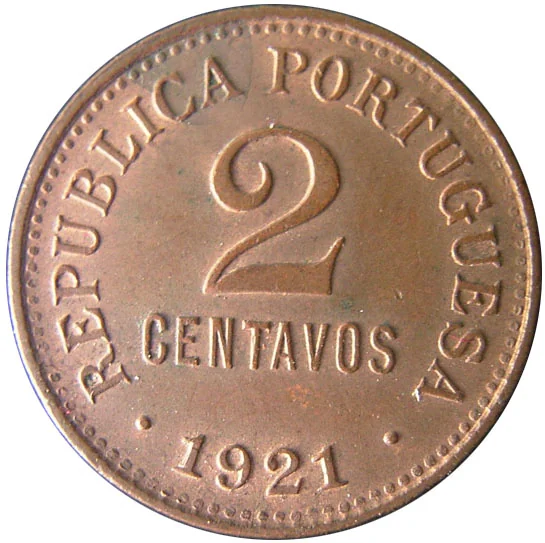
Reverse
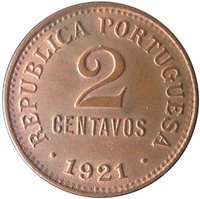
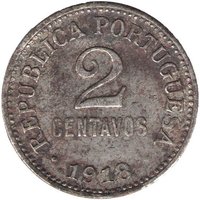
Description:
Center lettering, outer inscription, date beneath. Beaded edge.
Inscription:
REPUBLICA PORTUGUESA
2
CENTAVOS
· 1921 ·
2
CENTAVOS
· 1921 ·
Translation:
PORTUGUESE REPUBLIC
2
CENTAVOS
· 1921 ·
2
CENTAVOS
· 1921 ·
Script: Latin
Language: Portuguese
Edge
Plain
Categories
| Symbols> Coat of Arms |
Mints
| Name | Mark |
|---|---|
| Imprensa Nacional - Casa da Moeda | — |
Mintings
| Year | Mint Mark | Mintage | Quality | Collection |
|---|---|---|---|---|
| 1918 | — | 4,295,000 | ||
| 1920 | — | 10,109,000 | ||
| 1921 | — | 679,000 |
Historical background
In 1918, Portugal's currency situation was defined by severe inflation and economic strain, a direct consequence of its costly involvement in the First World War. The Portuguese escudo, which had been on a gold standard prior to the war, saw this system suspended in 1914. To finance the war effort, the government resorted to extensive borrowing from the Bank of Portugal, which printed increasing amounts of paper money without metallic backing. This rapid expansion of the money supply, coupled with wartime shortages, disrupted trade, and a significant decline in vital remittances from emigrants, led to a sharp depreciation of the escudo's value and a dramatic rise in the cost of living.
The inflationary crisis was acutely felt by the general population, eroding wages and savings and creating widespread social hardship. This economic distress contributed significantly to the period's political instability, most notably during the presidency of Sidónio Pais. His authoritarian "New Republic" regime, which began in late 1917, attempted to address the crisis through price controls and attempts to stabilize the currency, but these measures proved largely ineffective. The fundamental problem of budget deficits and monetary expansion remained unresolved, and the escudo's fall on foreign exchange markets continued.
By the end of 1918, following Pais's assassination in December, Portugal's financial position was precarious. The country faced a heavy burden of external debt, a depleted gold reserve, and a currency whose value was largely dependent on continued foreign loans, particularly from its ally, Great Britain. This fragile situation set the stage for the even more severe monetary and fiscal challenges that would characterize the Portuguese First Republic throughout the 1920s, ultimately contributing to its downfall in 1926.
The inflationary crisis was acutely felt by the general population, eroding wages and savings and creating widespread social hardship. This economic distress contributed significantly to the period's political instability, most notably during the presidency of Sidónio Pais. His authoritarian "New Republic" regime, which began in late 1917, attempted to address the crisis through price controls and attempts to stabilize the currency, but these measures proved largely ineffective. The fundamental problem of budget deficits and monetary expansion remained unresolved, and the escudo's fall on foreign exchange markets continued.
By the end of 1918, following Pais's assassination in December, Portugal's financial position was precarious. The country faced a heavy burden of external debt, a depleted gold reserve, and a currency whose value was largely dependent on continued foreign loans, particularly from its ally, Great Britain. This fragile situation set the stage for the even more severe monetary and fiscal challenges that would characterize the Portuguese First Republic throughout the 1920s, ultimately contributing to its downfall in 1926.
Series: System 1917-1922
🌱 Very Common