

25 cents – British Honduras
Add to wishlist
Belize
Context
Years: 1894–1901
Country: Belize
Issuer: British Honduras
Ruler: Victoria
Currency:
(1885—1973)
Total mintage: 155,030
Material
References
KM: #
Numista: #20552
Value
Bullion value: $13.73
Obverse
Description:
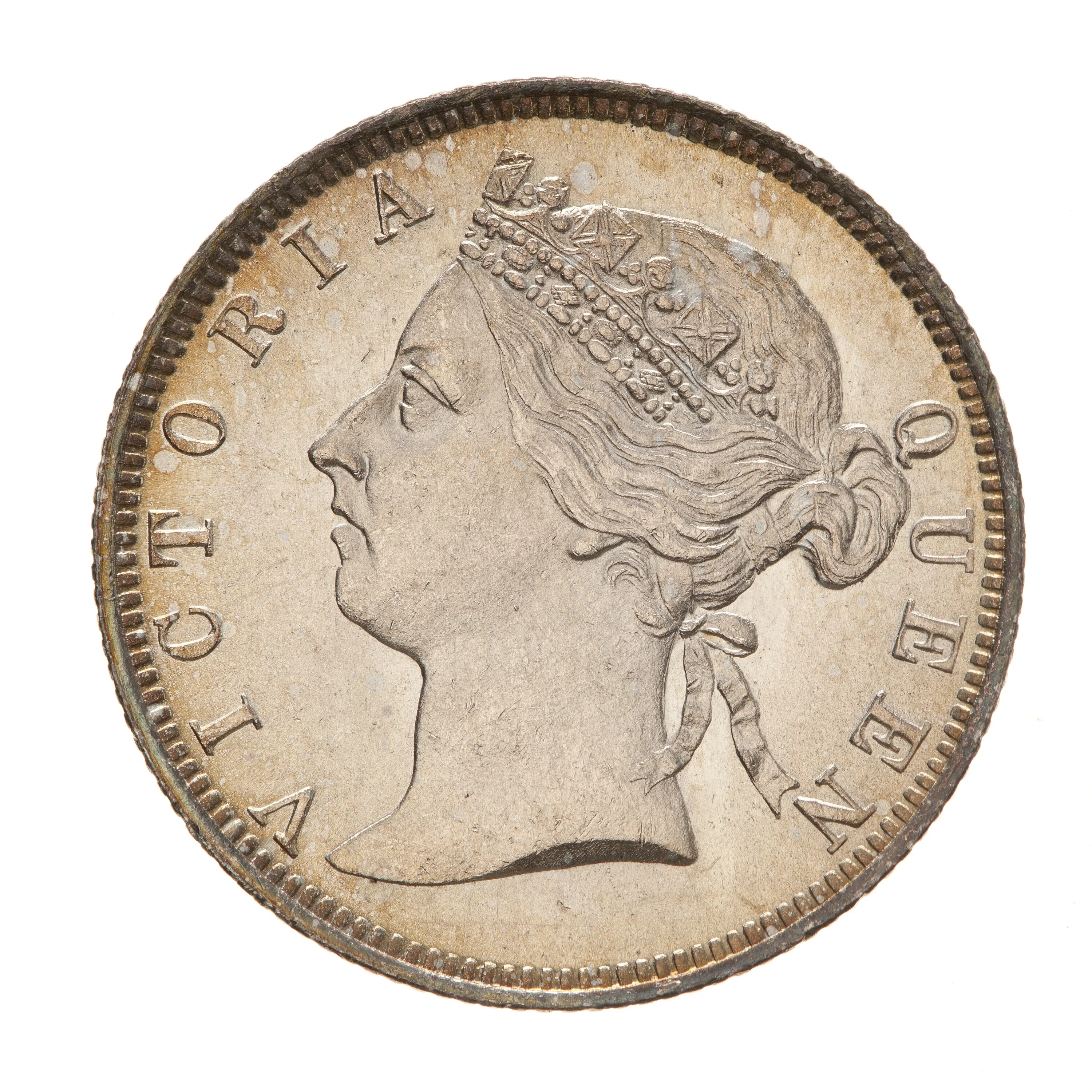
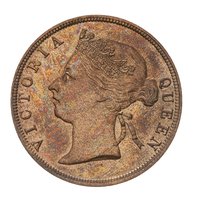
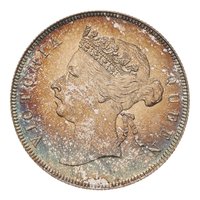
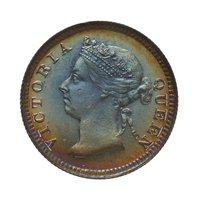
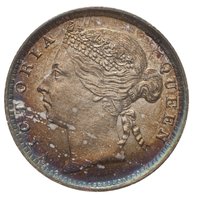
Crowned portrait of Queen Victoria in left profile.
Inscription:
VICTORIA QUEEN
Script: Latin
Engraver: Leonard Charles Wyon
Designer: William Theed
Reverse
Description:
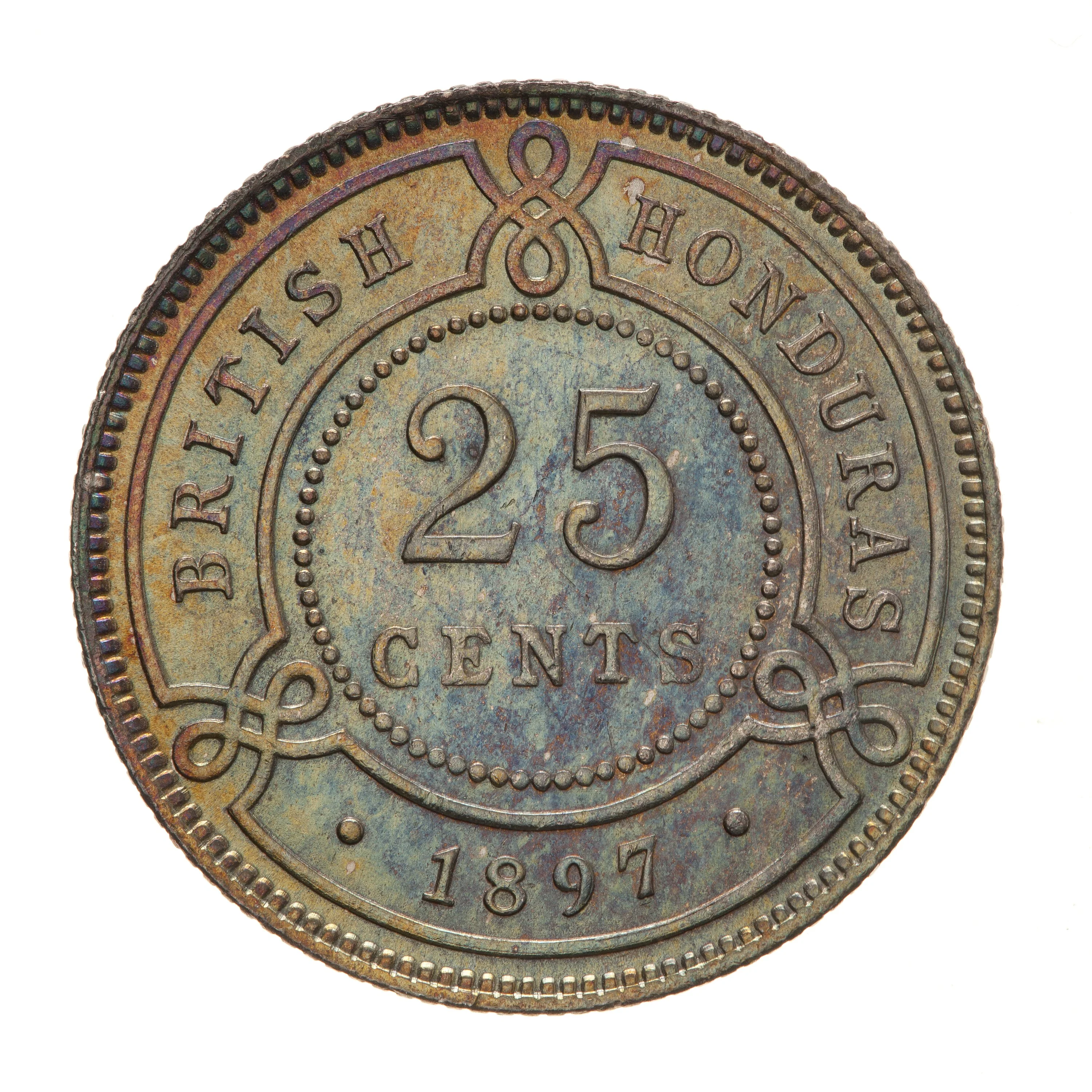
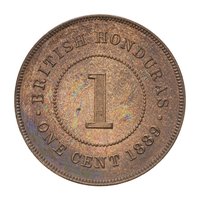
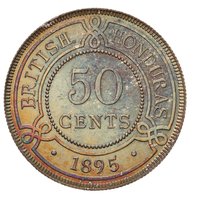
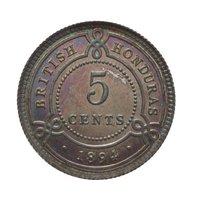
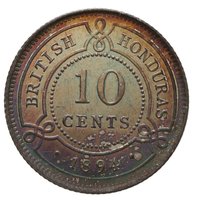
Denomination in beaded circle, toothed rim.
Inscription:
BRITISH HONDURAS
25
CENTS
· 1901 ·
25
CENTS
· 1901 ·
Script: Latin
Edge
Reeded
Mints
| Name | Mark |
|---|---|
| Royal Mint (Tower Hill) | — |
Mintings
| Year | Mint Mark | Mintage | Quality | Collection |
|---|---|---|---|---|
| 1894 | — | 48,000 | ||
| 1894 | — | — | Proof | |
| 1895 | — | 47,000 | ||
| 1897 | — | 40,000 | ||
| 1901 | — | 20,000 | ||
| 1901 | — | 30 | Proof |
Historical background
In 1894, British Honduras (modern-day Belize) operated under a complex and often inadequate currency system typical of many British colonial outposts. The official currency was the British pound sterling, but in practice, the colony suffered from a chronic shortage of official coinage. This scarcity was exacerbated by the territory's economic reliance on the mahogany trade, which was conducted largely on credit and with barter, failing to circulate sufficient hard currency for daily public use. Consequently, a variety of foreign coins, primarily Mexican and Spanish-American silver dollars (reales and pesos), circulated widely and were accepted for government payments, creating a de facto multi-currency environment.
The situation was further complicated by the circulation of private tokens and "cut money." Local merchants, due to the lack of official small change, would often cut Spanish dollars into fractional pieces (like quarters or eighths, known as "bits") to facilitate smaller transactions. This practice, while practical, led to inconsistencies and disputes over weight and value. The colonial government had made previous attempts to regulate currency, including the introduction of a distinct British Honduras dollar in 1885, but these efforts were insufficient to displace the entrenched foreign silver or solve the small change problem.
Therefore, 1894 represented a pivotal year of reform. The British Honduras (Coinage) Proclamation of that year finally provided a comprehensive solution. It demonetized all foreign silver and introduced a new, dedicated decimal currency system for the colony, with a dollar fixed at four shillings twopence sterling. New bronze and silver coins bearing the portrait of Queen Victoria were minted in London and put into circulation, successfully standardizing the monetary system. This move solidified British Honduras's financial infrastructure, moving it away from a fragmented past and toward a more modern and manageable colonial currency.
The situation was further complicated by the circulation of private tokens and "cut money." Local merchants, due to the lack of official small change, would often cut Spanish dollars into fractional pieces (like quarters or eighths, known as "bits") to facilitate smaller transactions. This practice, while practical, led to inconsistencies and disputes over weight and value. The colonial government had made previous attempts to regulate currency, including the introduction of a distinct British Honduras dollar in 1885, but these efforts were insufficient to displace the entrenched foreign silver or solve the small change problem.
Therefore, 1894 represented a pivotal year of reform. The British Honduras (Coinage) Proclamation of that year finally provided a comprehensive solution. It demonetized all foreign silver and introduced a new, dedicated decimal currency system for the colony, with a dollar fixed at four shillings twopence sterling. New bronze and silver coins bearing the portrait of Queen Victoria were minted in London and put into circulation, successfully standardizing the monetary system. This move solidified British Honduras's financial infrastructure, moving it away from a fragmented past and toward a more modern and manageable colonial currency.
Series: 1885 series
🌟 Limited