

2 euro (Tartu Peace Treaty) – Estonia
Add to wishlist
Circulating commemorative coins
Commemoration: Centenary of the Tartu Peace Treaty
Estonia
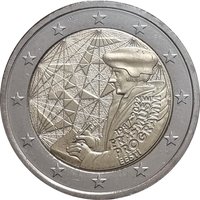
Obverse
Description:
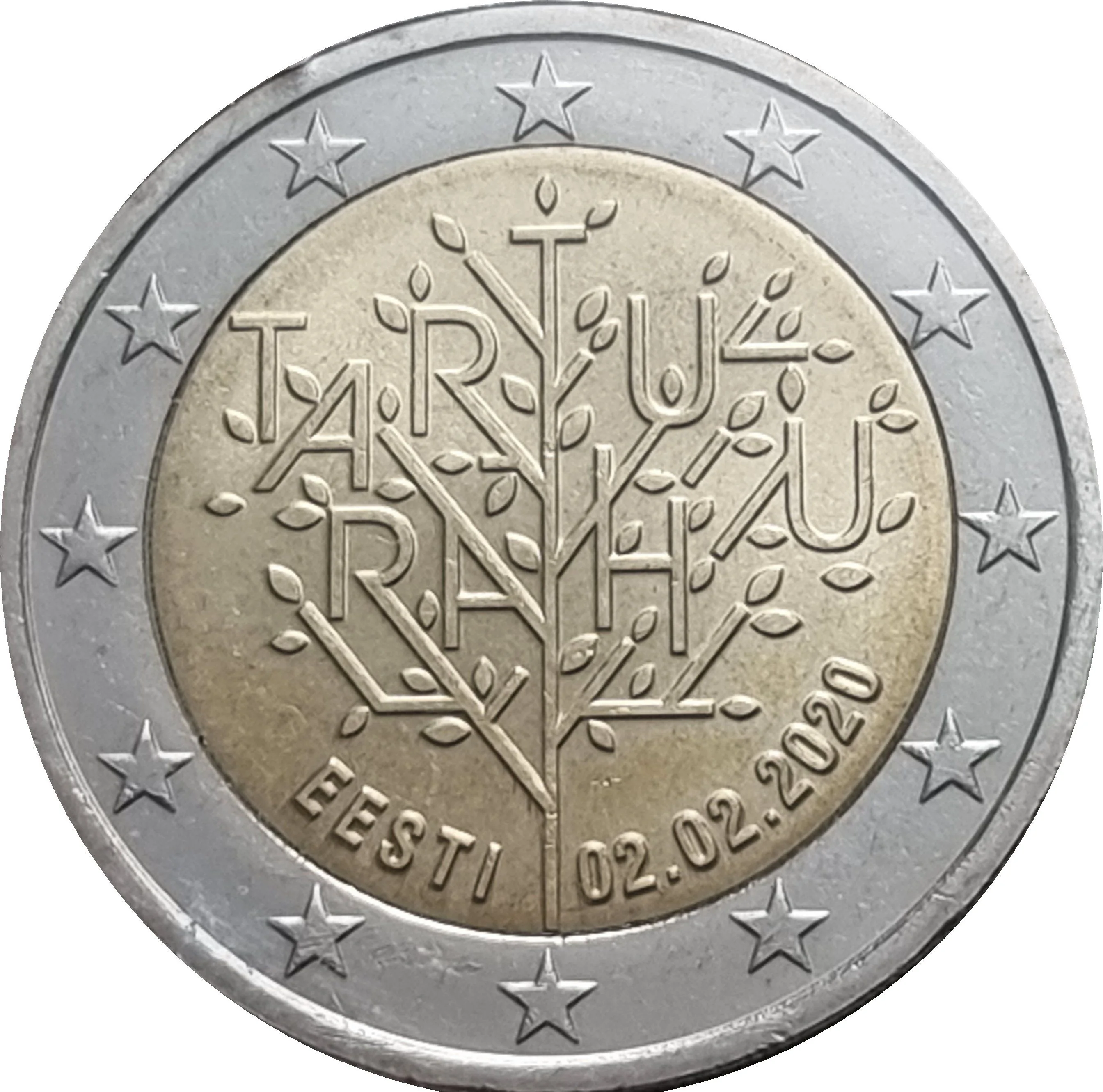
This coin commemorates the 2 February 1920 Treaty of Tartu, which ended Estonia's War of Independence. Its design features a tree whose branches form the words "TARTU RAHU," along with the country name "EESTI" and the issue date "2 February 2020." The outer ring bears the 12 stars of the European flag.
Inscription:
TARTU
RAHU
EESTI 02.02.2020
RAHU
EESTI 02.02.2020
Translation:
Tartu
Peace
Estonia 02.02.2020
Peace
Estonia 02.02.2020
Script: Latin
Language: Estonian
Engraver: Ivar Sakk
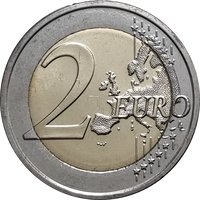
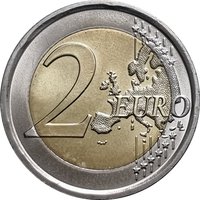
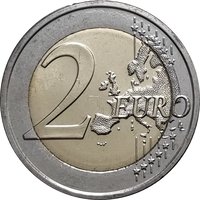
Reverse
Edge
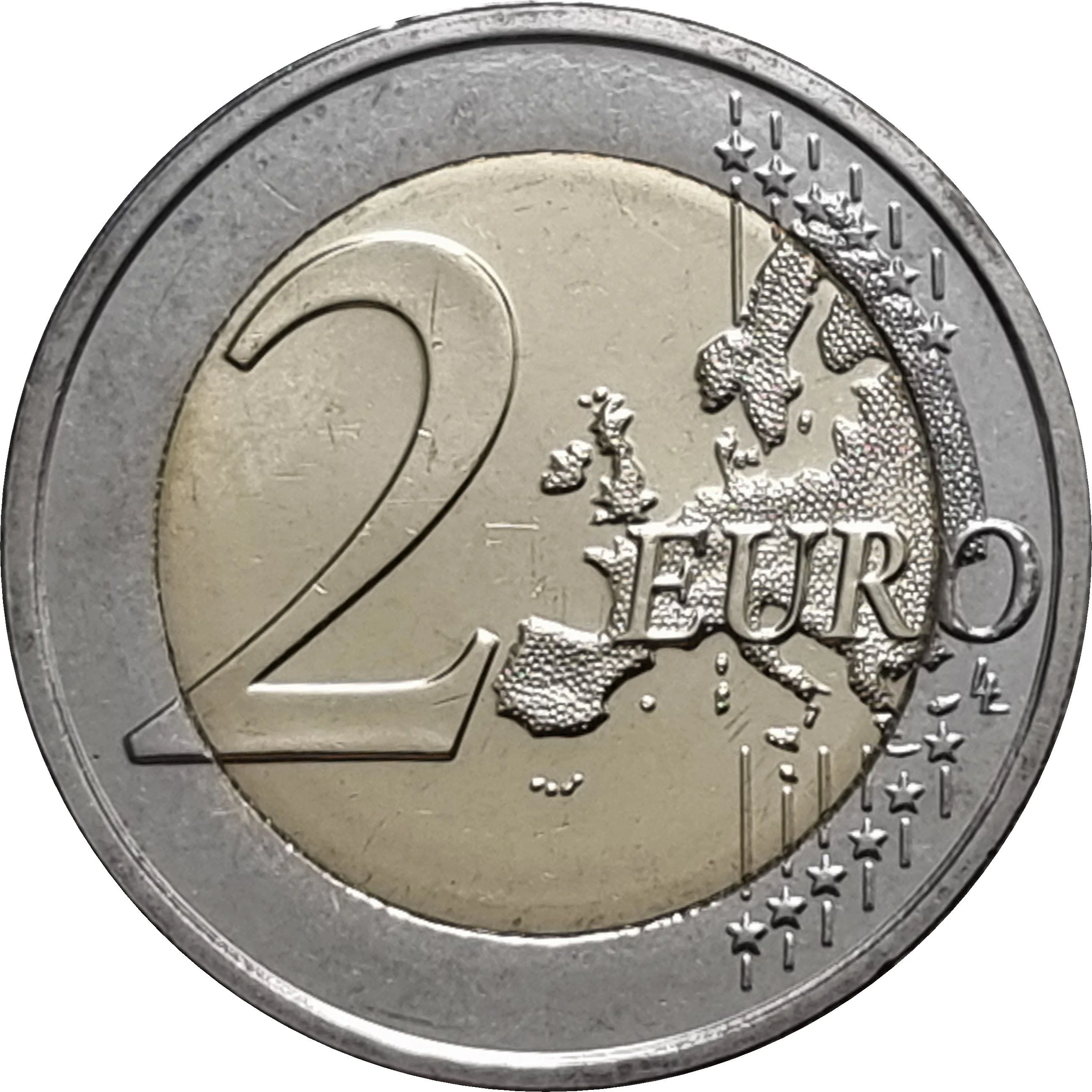
"O" and "EESTI" repeated alternately upright and inverted.
Legend:
EESTI O EESTI O
Translation:
O Estonia, O Estonia
Language: Estonian
Mintings
| Year | Mint Mark | Mintage | Quality | Collection |
|---|---|---|---|---|
| 2020 | — | 1,000,000 | ||
| 2020 | — | 10,000 | BU |
Historical background
In 2020, Estonia was a fully integrated member of the Eurozone, having adopted the euro as its official currency on January 1, 2011. This meant the country's monetary policy was set by the European Central Bank (ECB), and the national currency, the Estonian kroon, was a historical relic. The primary framework for currency and financial stability was therefore the common European response to economic shocks, rather than any independent national monetary tools. Estonia's long-standing commitment to fiscal discipline and its strong digital governance provided a stable domestic foundation within this supranational system.
The year was dominated by the economic impact of the COVID-19 pandemic, which tested the Eurozone's mechanisms. Estonia, like all member states, benefited from the ECB's decisive actions, including the massive Pandemic Emergency Purchase Programme (PEPP) to stabilize financial markets and ensure liquidity. Domestically, the crisis accelerated existing trends toward digital payments and remote financial services, a natural progression for a society already renowned for its e-governance and high levels of digital adoption. Physical cash use, already in decline, diminished further due to health concerns.
Financially, 2020 saw Estonia's government debt rise significantly as it implemented crisis measures to support the economy, though from one of the lowest bases in the European Union. The common currency provided stability and avoided the risk of speculative currency attacks that a small independent currency might have faced during such a global shock. Thus, the "currency situation" was characterized by Estonia navigating a severe economic downturn within the safety and constraints of the Eurozone framework, leveraging its strong fiscal position and digital infrastructure to manage the crisis.
The year was dominated by the economic impact of the COVID-19 pandemic, which tested the Eurozone's mechanisms. Estonia, like all member states, benefited from the ECB's decisive actions, including the massive Pandemic Emergency Purchase Programme (PEPP) to stabilize financial markets and ensure liquidity. Domestically, the crisis accelerated existing trends toward digital payments and remote financial services, a natural progression for a society already renowned for its e-governance and high levels of digital adoption. Physical cash use, already in decline, diminished further due to health concerns.
Financially, 2020 saw Estonia's government debt rise significantly as it implemented crisis measures to support the economy, though from one of the lowest bases in the European Union. The common currency provided stability and avoided the risk of speculative currency attacks that a small independent currency might have faced during such a global shock. Thus, the "currency situation" was characterized by Estonia navigating a severe economic downturn within the safety and constraints of the Eurozone framework, leveraging its strong fiscal position and digital infrastructure to manage the crisis.
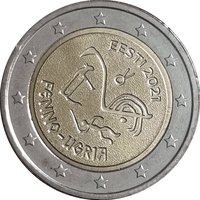
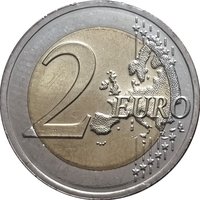
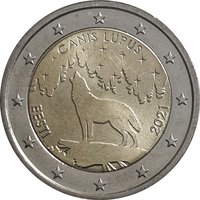
Series: Estonia 2 euro commemoratives

🌱 Very Common