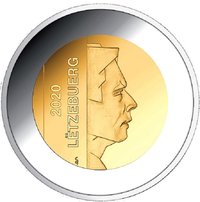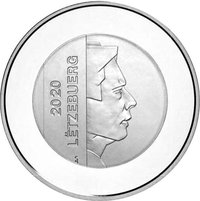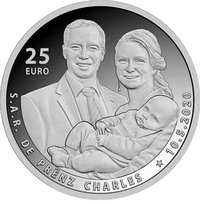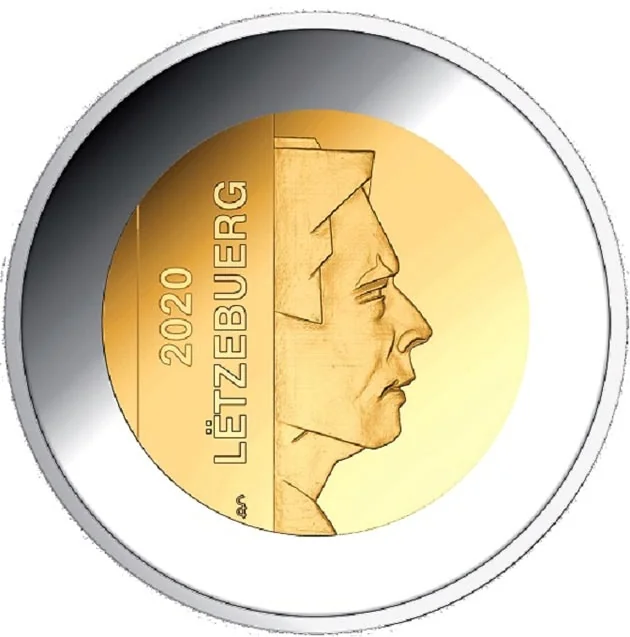

In 2020, the Grand Duchy of Luxembourg's currency situation was firmly anchored within the Eurozone framework, having adopted the euro as its sole legal tender in 1999 (for accounting) and 2002 (for physical cash). As a founding member of the European Union and a core participant in Economic and Monetary Union (EMU), Luxembourg's monetary policy was entirely determined by the European Central Bank (ECB). The year 2020 was therefore defined not by national currency decisions, but by Luxembourg's economic response to the supranational ECB policies enacted to address the COVID-19 pandemic crisis.
The dominant theme of the year was the ECB's comprehensive pandemic emergency response. Key initiatives, such as the massive €1.85 trillion Pandemic Emergency Purchase Programme (PEPP), directly impacted Luxembourg by ensuring sustained liquidity and favorable borrowing conditions. This was crucial for supporting the Luxembourgish state, which launched significant fiscal stimulus packages, and for maintaining stability in its highly leveraged financial sector and export-oriented economy. The euro's stability and these supportive measures helped shield Luxembourg's economy from more severe disruption.
Domestically, Luxembourg continued to leverage its euro membership to reinforce its position as a premier international financial centre. The stable single currency eliminated exchange rate risk for cross-border banking and investment activities, which form the backbone of the national economy. While the nation benefited from the ECB's protective umbrella, 2020 also underscored its deep interdependence with Eurozone-wide financial stability and the critical importance of the ECB's role in managing symmetric shocks like the pandemic across the monetary union.