

1 thaler – Monaco
Add to wishlist
Monaco
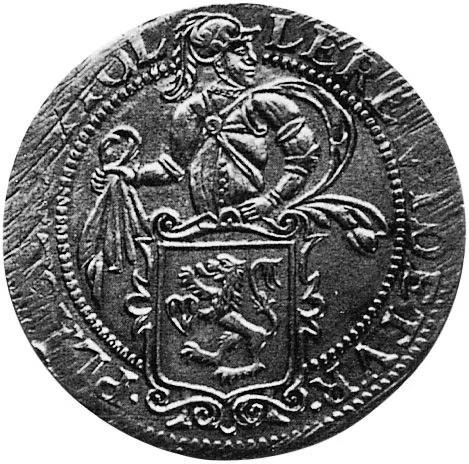
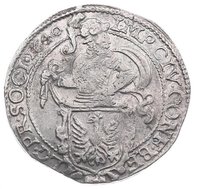
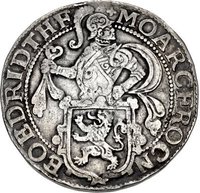
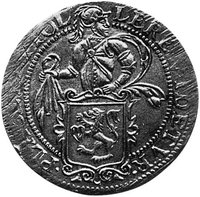
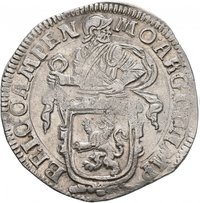
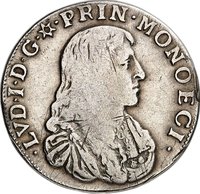
Obverse
Description:
Knight facing right, lion shield.
Inscription:
PLACET. ET. POL - LERE. VIDETVR.
Script: Latin
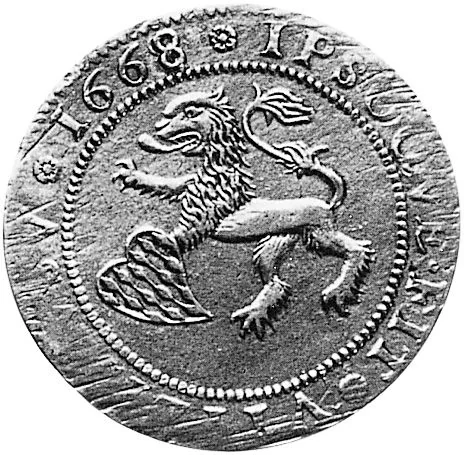
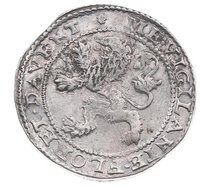
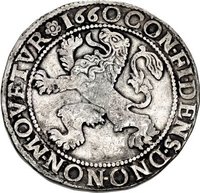
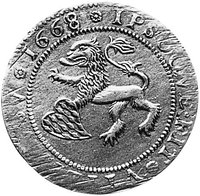
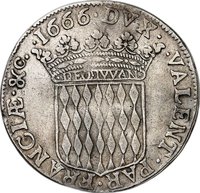
Reverse
Edge
Mintings
| Year | Mint Mark | Mintage | Quality | Collection |
|---|---|---|---|---|
| 1668 | — | — |
Historical background
In 1668, Monaco’s currency situation was a direct reflection of its precarious political and economic position. The Grimaldi-ruled principality, while sovereign, existed in the sphere of influence of its powerful neighbors, particularly France. Consequently, Monaco did not mint its own independent coinage. Instead, its monetary system was flooded with a variety of foreign currencies, primarily French livres, sous, and deniers, but also Italian coins like Genoese scudi and Spanish reales from trade across the Mediterranean. This created a complex and often chaotic marketplace where exchange rates fluctuated, and the value and purity of coins had to be constantly assessed.
The lack of sovereign coinage was both a symbol and a practical challenge. Economically, it limited Monaco's ability to control its own monetary policy and profit from seigniorage (the revenue from minting coins). For daily commerce, merchants and residents had to navigate this heterogeneous mix, leading to disputes and inefficiencies. The authority of Prince Louis I, who ascended the throne in 1662, was thus subtly undermined in the economic realm, as the physical money in circulation bore the portraits and emblems of foreign monarchs rather than his own.
This dependency was part of a broader strategy for survival. By aligning monetarily with France, Monaco sought to secure the protection promised by the Treaty of Péronne (1641), which placed it under French protection while recognizing its sovereignty. The currency reality of 1668, therefore, was a pragmatic acceptance of vassalage in economic affairs to preserve political autonomy. It would not be until the reign of Prince Honoré II in the early 17th century that Monaco had briefly minted its own coins, and it would take until the 19th century for the principality to issue currency consistently under its own name.
The lack of sovereign coinage was both a symbol and a practical challenge. Economically, it limited Monaco's ability to control its own monetary policy and profit from seigniorage (the revenue from minting coins). For daily commerce, merchants and residents had to navigate this heterogeneous mix, leading to disputes and inefficiencies. The authority of Prince Louis I, who ascended the throne in 1662, was thus subtly undermined in the economic realm, as the physical money in circulation bore the portraits and emblems of foreign monarchs rather than his own.
This dependency was part of a broader strategy for survival. By aligning monetarily with France, Monaco sought to secure the protection promised by the Treaty of Péronne (1641), which placed it under French protection while recognizing its sovereignty. The currency reality of 1668, therefore, was a pragmatic acceptance of vassalage in economic affairs to preserve political autonomy. It would not be until the reign of Prince Honoré II in the early 17th century that Monaco had briefly minted its own coins, and it would take until the 19th century for the principality to issue currency consistently under its own name.
Series: Leeuwendaalder

✨ Legendary