

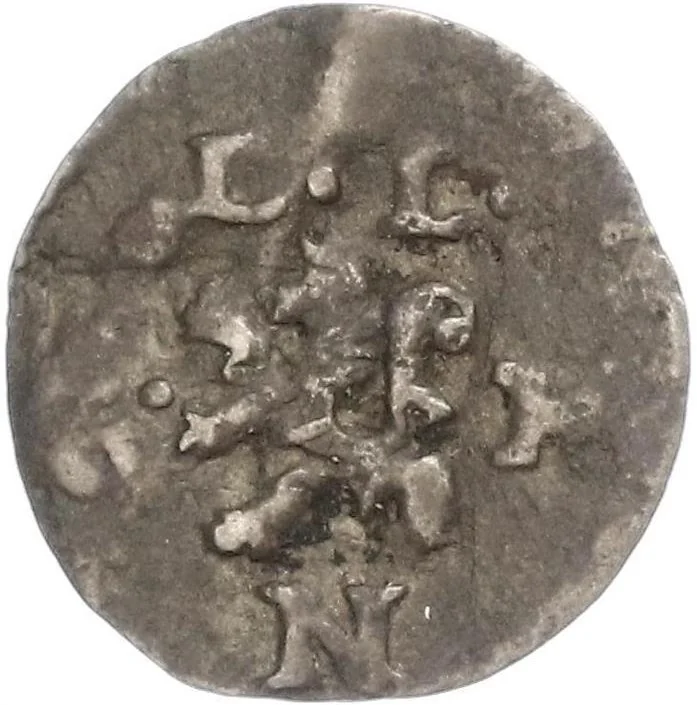
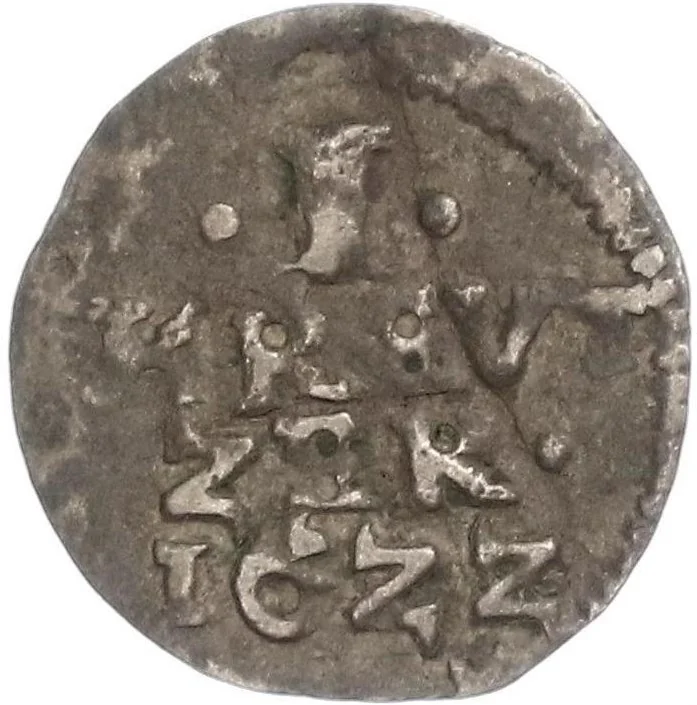
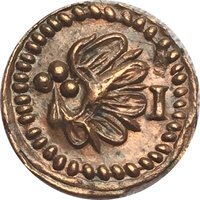
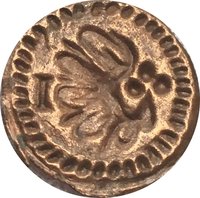
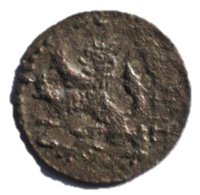
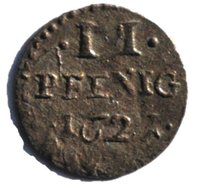
1 Kreuzer – Landgraviate of Hesse-Darmstadt
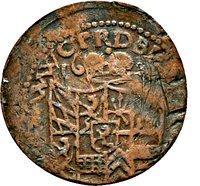
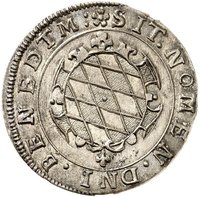
Obverse
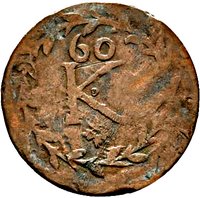
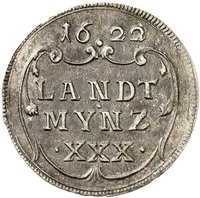
Reverse
Edge
Mintings
| Year | Mint Mark | Mintage | Quality | Collection |
|---|---|---|---|---|
| 1622 | — | — | ||
| 1622 | D | — |
Historical background
In 1622, the Landgraviate of Hesse-Darmstadt, like much of the Holy Roman Empire, was engulfed in the monetary chaos of the Kipper- und Wipperzeit. This was a period of severe currency debasement and inflation, triggered by the immense financial pressures of the Thirty Years' War. Rulers across Germany, facing skyrocketing costs to raise and supply mercenary armies, resorted to minting vast quantities of debased coinage. By reducing the precious metal content in coins while maintaining their face value, they could generate short-term profit, but at the cost of destroying public trust in the currency.
Landgrave Ludwig V of Hesse-Darmstadt, who died in 1626, was notably more conservative in his fiscal policies than many of his contemporaries. While neighboring territories and opportunistic mint masters (often leaseholders) aggressively debased coins, Hesse-Darmstadt attempted to maintain a relatively stable currency. However, it could not insulate itself from the flood of bad money circulating in the region. The landgraviate was inundated with debased coins from elsewhere, which drove its own better-quality money out of circulation (Gresham's Law), causing severe economic dislocation, price instability, and hardship for ordinary people.
The situation in 1622 represented a critical point in this crisis, leading to imperial intervention. That same year, Emperor Ferdinand II issued a Reichsmünzordnung (Imperial Minting Ordinance) in an attempt to standardize coinage and halt the debasement. While this decree aimed to restore order, its enforcement was weak and the economic damage was already profound. For Hesse-Darmstadt, the year 1622 was thus marked by the struggle to preserve monetary integrity amidst a regional collapse, a challenge that strained its economy and tested the administrative resilience of the landgraviate on the eve of deeper wartime involvement.
Landgrave Ludwig V of Hesse-Darmstadt, who died in 1626, was notably more conservative in his fiscal policies than many of his contemporaries. While neighboring territories and opportunistic mint masters (often leaseholders) aggressively debased coins, Hesse-Darmstadt attempted to maintain a relatively stable currency. However, it could not insulate itself from the flood of bad money circulating in the region. The landgraviate was inundated with debased coins from elsewhere, which drove its own better-quality money out of circulation (Gresham's Law), causing severe economic dislocation, price instability, and hardship for ordinary people.
The situation in 1622 represented a critical point in this crisis, leading to imperial intervention. That same year, Emperor Ferdinand II issued a Reichsmünzordnung (Imperial Minting Ordinance) in an attempt to standardize coinage and halt the debasement. While this decree aimed to restore order, its enforcement was weak and the economic damage was already profound. For Hesse-Darmstadt, the year 1622 was thus marked by the struggle to preserve monetary integrity amidst a regional collapse, a challenge that strained its economy and tested the administrative resilience of the landgraviate on the eve of deeper wartime involvement.
Series: Kipper and Wipper
✨ Legendary