


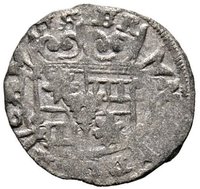
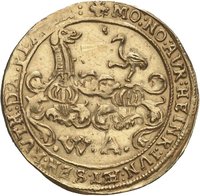
Obverse
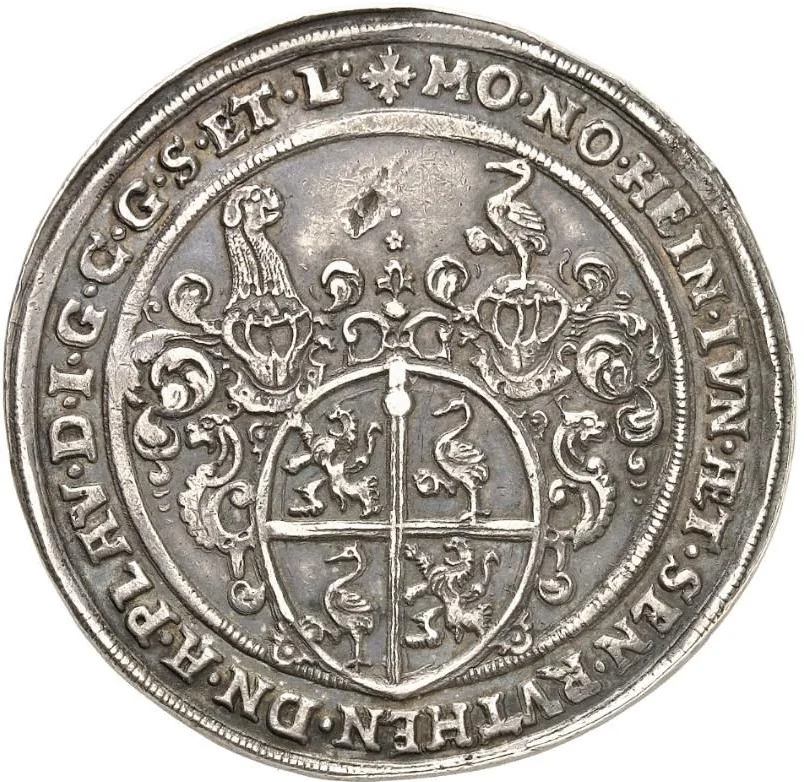
Description:
Armed and helmeted.
Inscription:
MO NO HEIN IVN AET SEN RVTHEN DN A PLAV D I G C G S ET L
Script: Latin
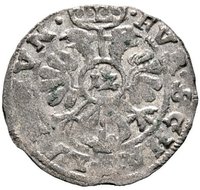
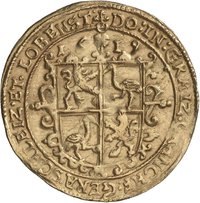
Reverse
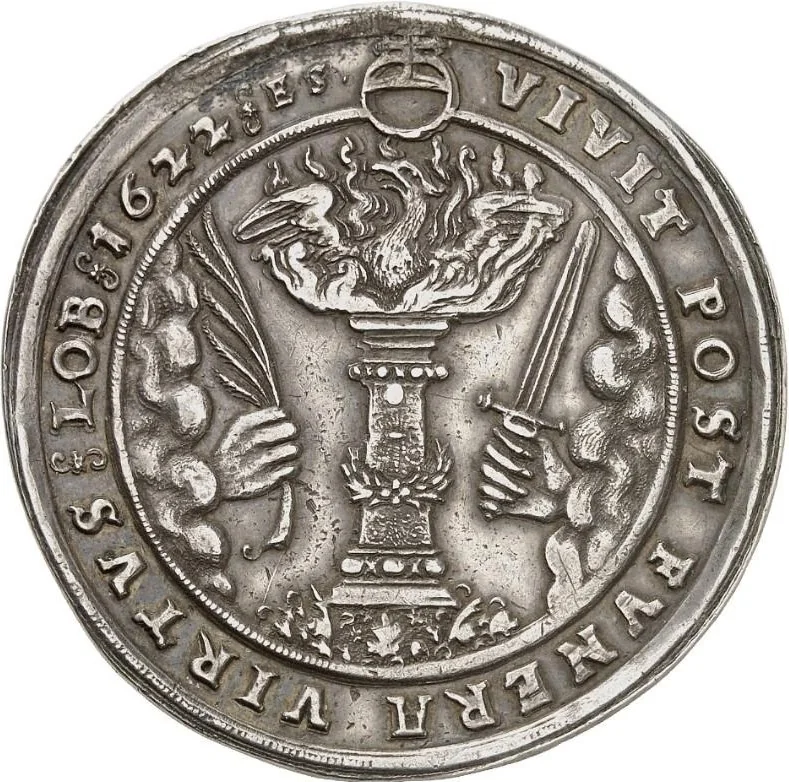
Description:
A phoenix rises from ashes on a pedestal, flanked by cloud-borne arms holding a palm branch and sword, with an imperial orb above.
Inscription:
VIVIT POST FVNERA VIRTVS LOB 1622 ES
Script: Latin
Edge
Mints
| Name | Mark |
|---|---|
| Gera | — |
Mintings
| Year | Mint Mark | Mintage | Quality | Collection |
|---|---|---|---|---|
| 1622 | — | — |
Historical background
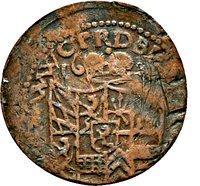
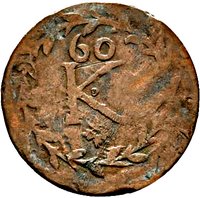
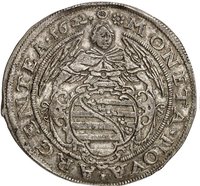
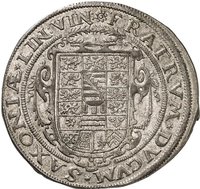
In 1622, the small Thuringian principality of Reuss-Gera, like much of the Holy Roman Empire, was engulfed in the monetary chaos of the Kipper- und Wipperzeit (the clipping and culling period). This was a catastrophic currency debasement crisis triggered by the immense financial pressures of the Thirty Years' War (1618-1648). Regional princes, including the Reuss lords, faced desperate needs to fund troops and fortifications, leading them to mint vastly increased quantities of low-value coinage. By reducing the precious metal content in coins like Groschen and Kreuzers while officially maintaining their face value, they created short-term profit to meet wartime expenses, effectively taxing their population through inflation.
The situation in Reuss-Gera was part of a vicious cycle. The principality's own debased coins flooded the local economy, but so did even worse money from neighboring states engaging in the same practice. This led to Gresham's Law in action: "bad money drives out good." Older, full-weight coins were hoarded or melted down, leaving only the worthless new coins in circulation. Prices for essential goods like grain and salt skyrocketed as the currency's real value collapsed, causing severe hardship for ordinary people and disrupting all local trade and credit.
Ultimately, the crisis in Reuss-Gera was not isolated but a microcosm of imperial breakdown. The decentralized nature of the Empire, with over 600 minting authorities, made coordinated monetary policy impossible. While the Reichstag attempted to halt the crisis with the Münzedikt (Imperial Coinage Ordinance) of 1623, which aimed to restore the old standard, the damage was profound. For Reuss-Gera, the year 1622 represented a peak of economic distress, where the prince's short-term fiscal strategy came at the long-term cost of shattered public trust in the currency and widespread impoverishment.
The situation in Reuss-Gera was part of a vicious cycle. The principality's own debased coins flooded the local economy, but so did even worse money from neighboring states engaging in the same practice. This led to Gresham's Law in action: "bad money drives out good." Older, full-weight coins were hoarded or melted down, leaving only the worthless new coins in circulation. Prices for essential goods like grain and salt skyrocketed as the currency's real value collapsed, causing severe hardship for ordinary people and disrupting all local trade and credit.
Ultimately, the crisis in Reuss-Gera was not isolated but a microcosm of imperial breakdown. The decentralized nature of the Empire, with over 600 minting authorities, made coordinated monetary policy impossible. While the Reichstag attempted to halt the crisis with the Münzedikt (Imperial Coinage Ordinance) of 1623, which aimed to restore the old standard, the damage was profound. For Reuss-Gera, the year 1622 represented a peak of economic distress, where the prince's short-term fiscal strategy came at the long-term cost of shattered public trust in the currency and widespread impoverishment.
Series: Kipper and Wipper
✨ Legendary