

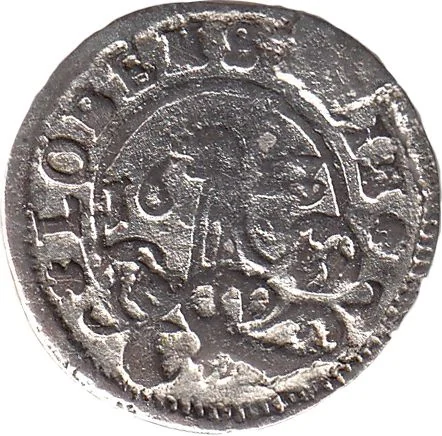
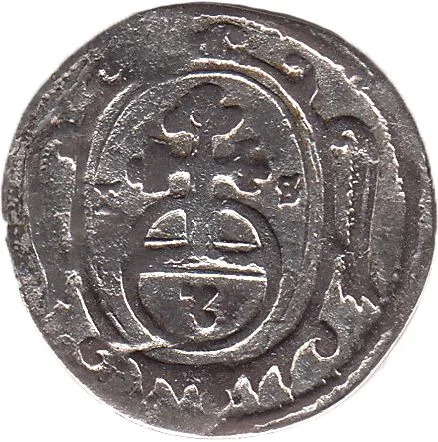
3 Pfennigs – Reuss-Gera
Germany
Context

Material
Diameter: 18.5 mm
Weight: 0.8 g
Silver weight: 0.80 g
Thickness: 0.5 mm
Shape: Irregular round
Composition: Silver
Magnetic: No
Alignment: Medal alignment
flip
References
KM: #Click to copy to clipboard41
Numista: #410329
Value
Bullion value: $2.22
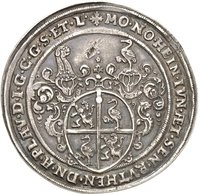
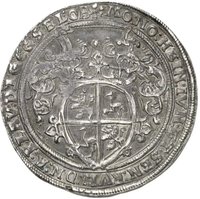
Obverse
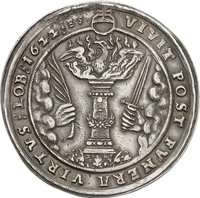
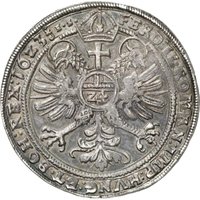
Reverse
Edge
Mints
| Name | Mark |
|---|---|
| Lobenstein | — |
Mintings
| Year | Mint Mark | Mintage | Quality | Collection |
|---|---|---|---|---|
| 1623 | — | — |
Historical background
In 1623, the small Thuringian principality of Reuss-Gera, like much of the Holy Roman Empire, was in the throes of a catastrophic monetary crisis known as the Kipper- und Wipperzeit. This period, coinciding with the early stages of the Thirty Years' War, was characterized by the deliberate debasement of coinage. Sovereign mints, including Reuss-Gera's, drastically reduced the precious metal content (silver) in their coins while maintaining their face value, creating immense short-term profit for the treasury to fund war expenditures and debts.
The local consequences were devastating. As bad, debased coins from Reuss-Gera and neighboring states flooded the market, older coins of full silver content were hoarded or melted down, following Gresham's Law ("bad money drives out good"). This led to rampant inflation, a collapse in public trust in currency, and a severe disruption of everyday trade. Merchants demanded payment in old, heavy coins or raised prices astronomically to compensate for the worthless new money, causing widespread hardship and famine among the population.
While the Lords of Reuss-Gera participated in this debasement to shore up their finances, the situation was unsustainable. Imperial attempts to intervene, like the 1623 Münzedikt (coinage edict) of Regensburg, sought to stabilize the currency by setting new, lower face values for the debased coins and reintroducing a standard. For Reuss-Gera, this meant the painful but necessary process of recalling its worthless currency and attempting to re-establish a credible monetary system amidst the ongoing turmoil of the war.
The local consequences were devastating. As bad, debased coins from Reuss-Gera and neighboring states flooded the market, older coins of full silver content were hoarded or melted down, following Gresham's Law ("bad money drives out good"). This led to rampant inflation, a collapse in public trust in currency, and a severe disruption of everyday trade. Merchants demanded payment in old, heavy coins or raised prices astronomically to compensate for the worthless new money, causing widespread hardship and famine among the population.
While the Lords of Reuss-Gera participated in this debasement to shore up their finances, the situation was unsustainable. Imperial attempts to intervene, like the 1623 Münzedikt (coinage edict) of Regensburg, sought to stabilize the currency by setting new, lower face values for the debased coins and reintroducing a standard. For Reuss-Gera, this meant the painful but necessary process of recalling its worthless currency and attempting to re-establish a credible monetary system amidst the ongoing turmoil of the war.
✨ Legendary