

50 New Pence – Isle of Man
Context
Years: 1971–1975
Country: British Crown dependencies
Issuer: Isle of Man 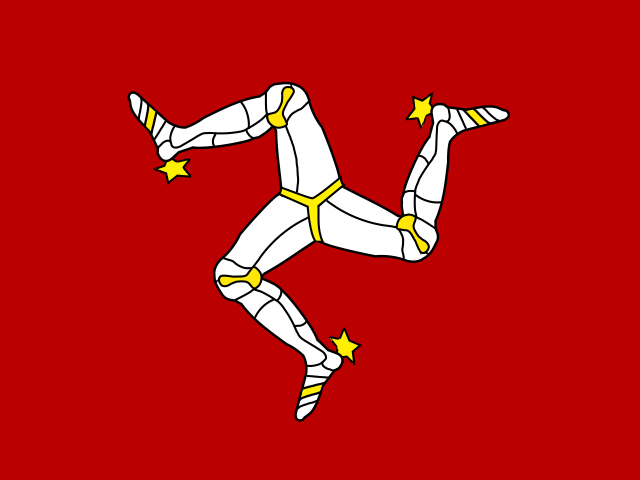
Ruler: Elizabeth II
Currency:
(since 1971)
Demonetized: Yes
Total mintage: 340,000
Material
Diameter: 30 mm
Weight: 13.5 g
Shape: Equilateral curve heptagon
Technique: Milled
Alignment: Medal alignment
flip
References
KM: #Click to copy to clipboard24
Numista: #9182
Value
Exchange value: 0.50 IMP
Obverse
Description:
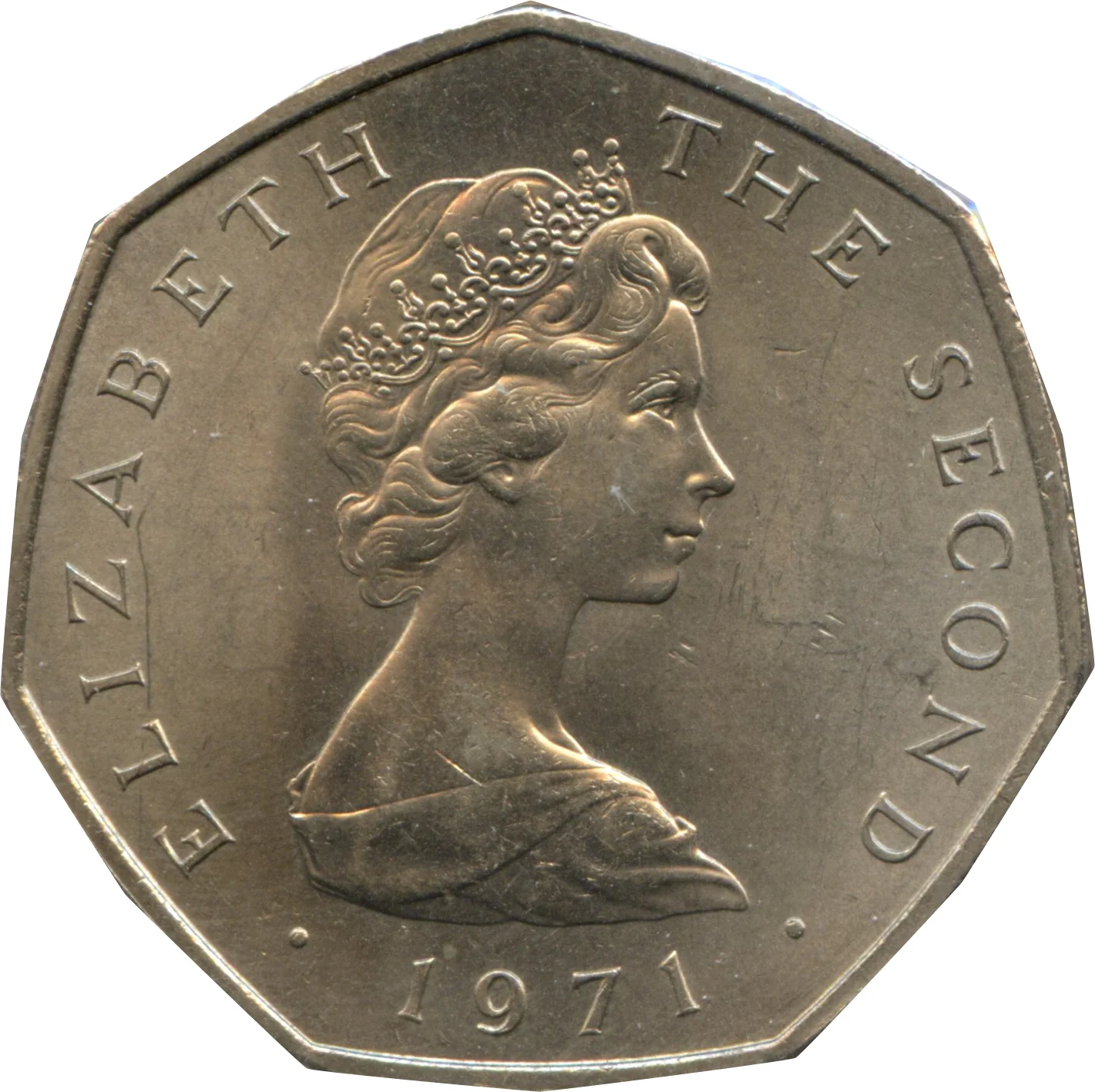
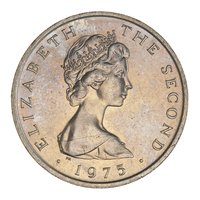
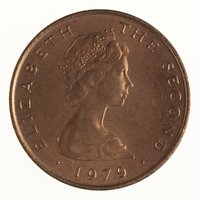
Queen Elizabeth II facing right, wearing the Girls of Great Britain and Ireland Tiara, with legend surrounding and date beneath.
Inscription:
ELIZABETH THE SECOND
· 1971 ·
· 1971 ·
Translation:
ELIZABETH THE SECOND
· 1971 ·
· 1971 ·
Script: Latin
Language: English
Engraver: Arnold Machin
Reverse
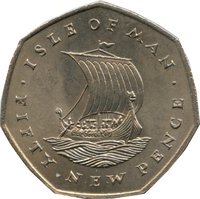
Description:
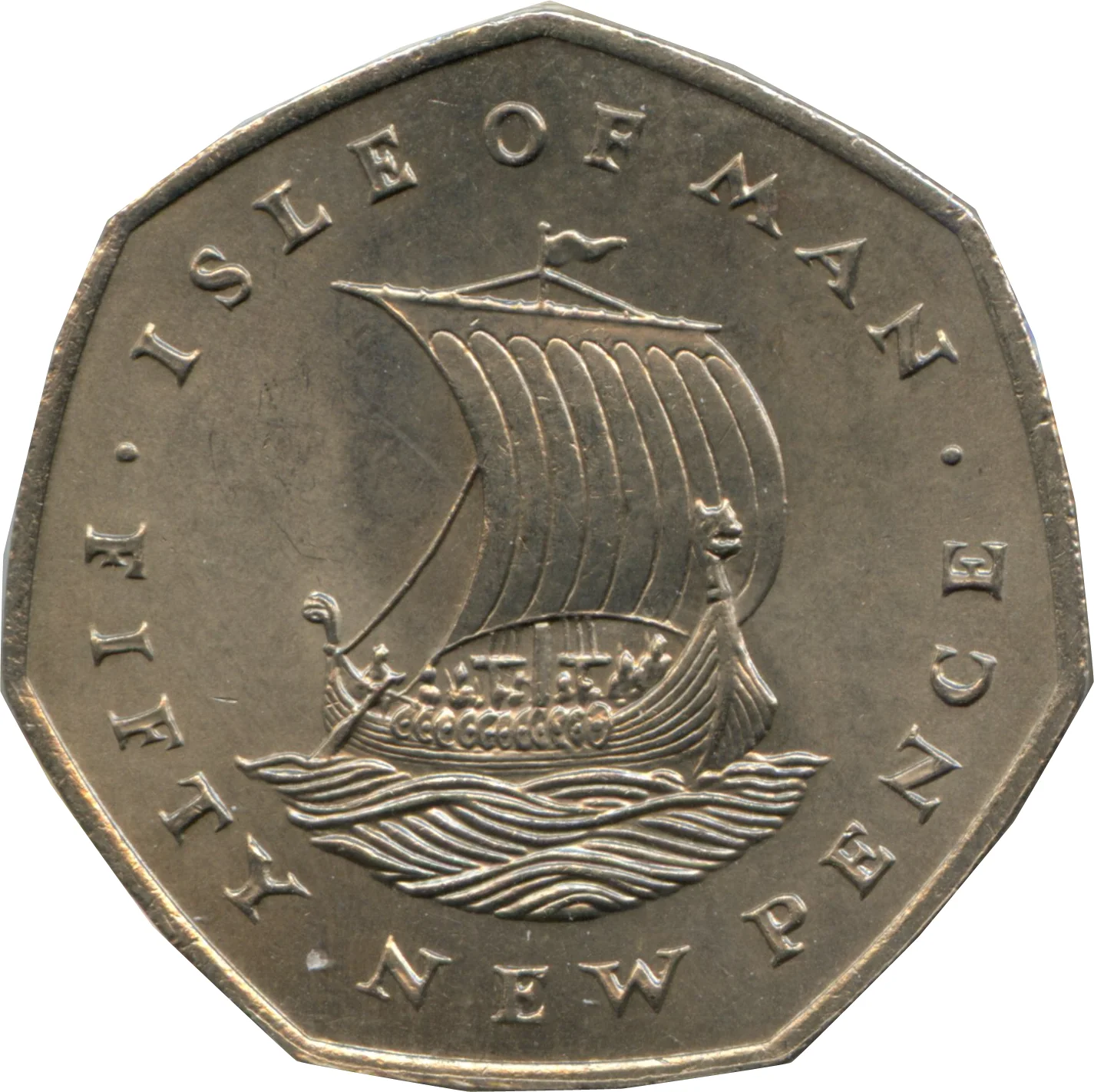
Viking longship sailing
Inscription:
· ISLE OF MAN ·
FIFTY NEW PENCE
FIFTY NEW PENCE
Script: Latin
Engraver: Christopher Ironside
Edge
Plain
Categories
| Transportation> Watercraft |
Mints
| Name | Mark |
|---|---|
| Royal Mint | — |
| Pobjoy Mint | (PM) |
Mintings
| Year | Mint Mark | Mintage | Quality | Collection |
|---|---|---|---|---|
| 1971 | — | 100,000 | ||
| 1971 | — | 10,000 | Proof | |
| 1972 | PM | 1,000 | ||
| 1973 | PM | 1,000 | ||
| 1974 | PM | 1,000 | ||
| 1975 | PM | 227,000 |
Historical background
In 1971, the Isle of Man's currency situation was intrinsically linked to the United Kingdom but marked by a growing assertion of its own identity. As a British Crown Dependency, the Island used sterling as its official currency. However, unlike Scotland and Northern Ireland, which issued their own distinctive banknotes backed by UK banks, the Isle of Man had no issuing authority of its own. Instead, the dominant circulating paper money consisted of Bank of England notes, supplemented by a limited quantity of notes from English and Scottish commercial banks, reflecting its economic ties.
This dependency was set to change significantly due to the UK's own monetary reforms. The year 1971 saw the British government's official decimalisation of the pound on 15 February ("Decimal Day"), replacing the old pounds, shillings, and pence system. In preparation, the Isle of Man Government passed the Currency Act 1971, which established the Isle of Man Treasury as a currency-issuing authority. This landmark legislation provided the legal framework for the Island to introduce its own distinct decimal banknotes and coins, a move driven by both practical necessity and a desire for greater fiscal autonomy and national symbolism.
Consequently, while 1971 was a year of transition under the umbrella of UK decimalisation, it was fundamentally the launchpad for a modern, independent Manx currency system. The first Isle of Man decimal coins (pennies and pence) entered circulation later in 1971, and the Treasury's first series of distinctive banknotes followed in 1972. Thus, the currency situation in 1971 was defined by the final phase of using predominantly British notes while simultaneously laying the legislative and administrative foundations for a unique Manx currency that would emerge immediately thereafter.
This dependency was set to change significantly due to the UK's own monetary reforms. The year 1971 saw the British government's official decimalisation of the pound on 15 February ("Decimal Day"), replacing the old pounds, shillings, and pence system. In preparation, the Isle of Man Government passed the Currency Act 1971, which established the Isle of Man Treasury as a currency-issuing authority. This landmark legislation provided the legal framework for the Island to introduce its own distinct decimal banknotes and coins, a move driven by both practical necessity and a desire for greater fiscal autonomy and national symbolism.
Consequently, while 1971 was a year of transition under the umbrella of UK decimalisation, it was fundamentally the launchpad for a modern, independent Manx currency system. The first Isle of Man decimal coins (pennies and pence) entered circulation later in 1971, and the Treasury's first series of distinctive banknotes followed in 1972. Thus, the currency situation in 1971 was defined by the final phase of using predominantly British notes while simultaneously laying the legislative and administrative foundations for a unique Manx currency that would emerge immediately thereafter.
Series: 1971 series
🌱 Common