

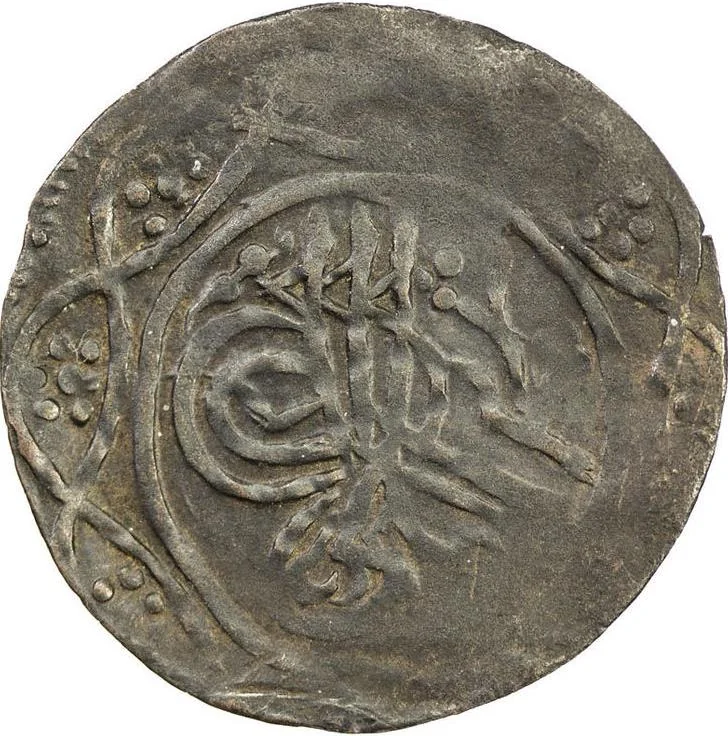
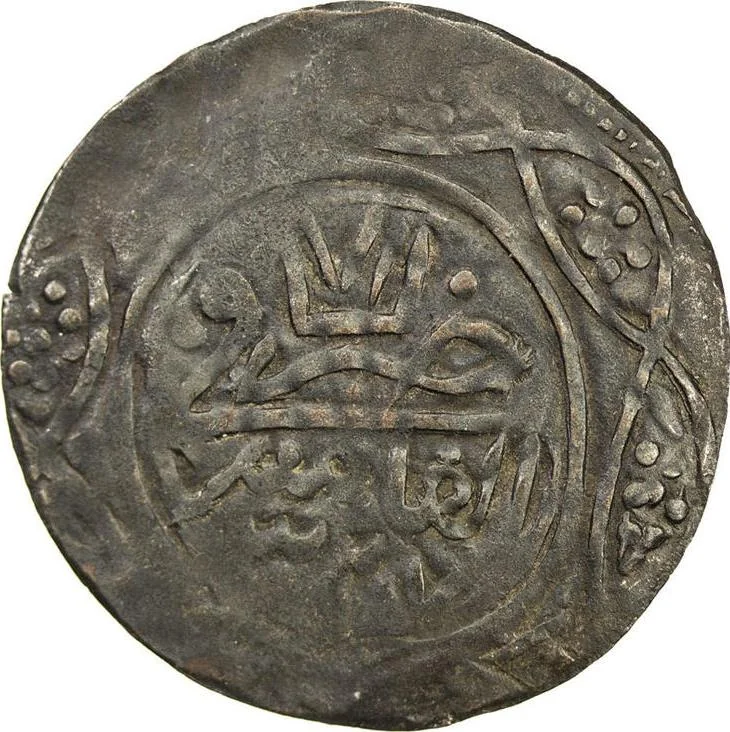
Mints
| Name | Mark |
|---|---|
| Al-Fashir | — |
Mintings
| Year | Mint Mark | Mintage | Quality | Collection |
|---|---|---|---|---|
| 1909 | — | — |
Historical background
In 1909, Darfur existed as an independent Sultanate, largely isolated from the direct economic systems of the Anglo-Egyptian Condominium that ruled Sudan to its east. The region operated on a dual monetary system where traditional barter and commodity currencies coexisted with an influx of foreign coinage. The most widespread traditional currency was the damba, a length of high-quality cotton cloth (often a roll of 20-25 strips) produced locally, which served as a standard measure of value for taxes, trade, and major transactions. Other commodities like livestock, salt bars (amole), and glass beads also functioned as common mediums of exchange in local markets.
However, external currencies were increasingly penetrating the economy due to trans-Saharan trade routes and contact with neighbouring territories. The most prominent imported coin was the Austrian Maria Theresa thaler (MT$), a large silver coin minted in 1780 but traded widely across Africa and the Middle East for its reliable silver content. Alongside it, the Egyptian pound and its subdivisions, including the silver riyal (20 piasters), circulated, particularly in the east towards Sudan. This created a complex exchange environment where the value of cloth, coins, and goods fluctuated based on supply, seasonal trade caravans, and the political authority of the Sultan.
The currency situation reflected Darfur's geopolitical position. Sultan Ali Dinar, who reclaimed the throne in 1898, consciously asserted his independence from Khartoum. While he collected taxes in both damba and specie, his administration did not mint its own coins, relying instead on the established commodity system and accepting foreign coins whose value was recognized by weight and purity. This monetary patchwork underscored a economy in transition—rooted in self-sufficient, traditional patterns but increasingly connected to and influenced by regional cash economies, a tension that would intensify in the following decades.
However, external currencies were increasingly penetrating the economy due to trans-Saharan trade routes and contact with neighbouring territories. The most prominent imported coin was the Austrian Maria Theresa thaler (MT$), a large silver coin minted in 1780 but traded widely across Africa and the Middle East for its reliable silver content. Alongside it, the Egyptian pound and its subdivisions, including the silver riyal (20 piasters), circulated, particularly in the east towards Sudan. This created a complex exchange environment where the value of cloth, coins, and goods fluctuated based on supply, seasonal trade caravans, and the political authority of the Sultan.
The currency situation reflected Darfur's geopolitical position. Sultan Ali Dinar, who reclaimed the throne in 1898, consciously asserted his independence from Khartoum. While he collected taxes in both damba and specie, his administration did not mint its own coins, relying instead on the established commodity system and accepting foreign coins whose value was recognized by weight and purity. This monetary patchwork underscored a economy in transition—rooted in self-sufficient, traditional patterns but increasingly connected to and influenced by regional cash economies, a tension that would intensify in the following decades.
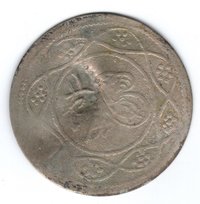
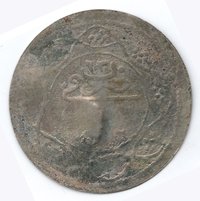

💎 Very Rare