

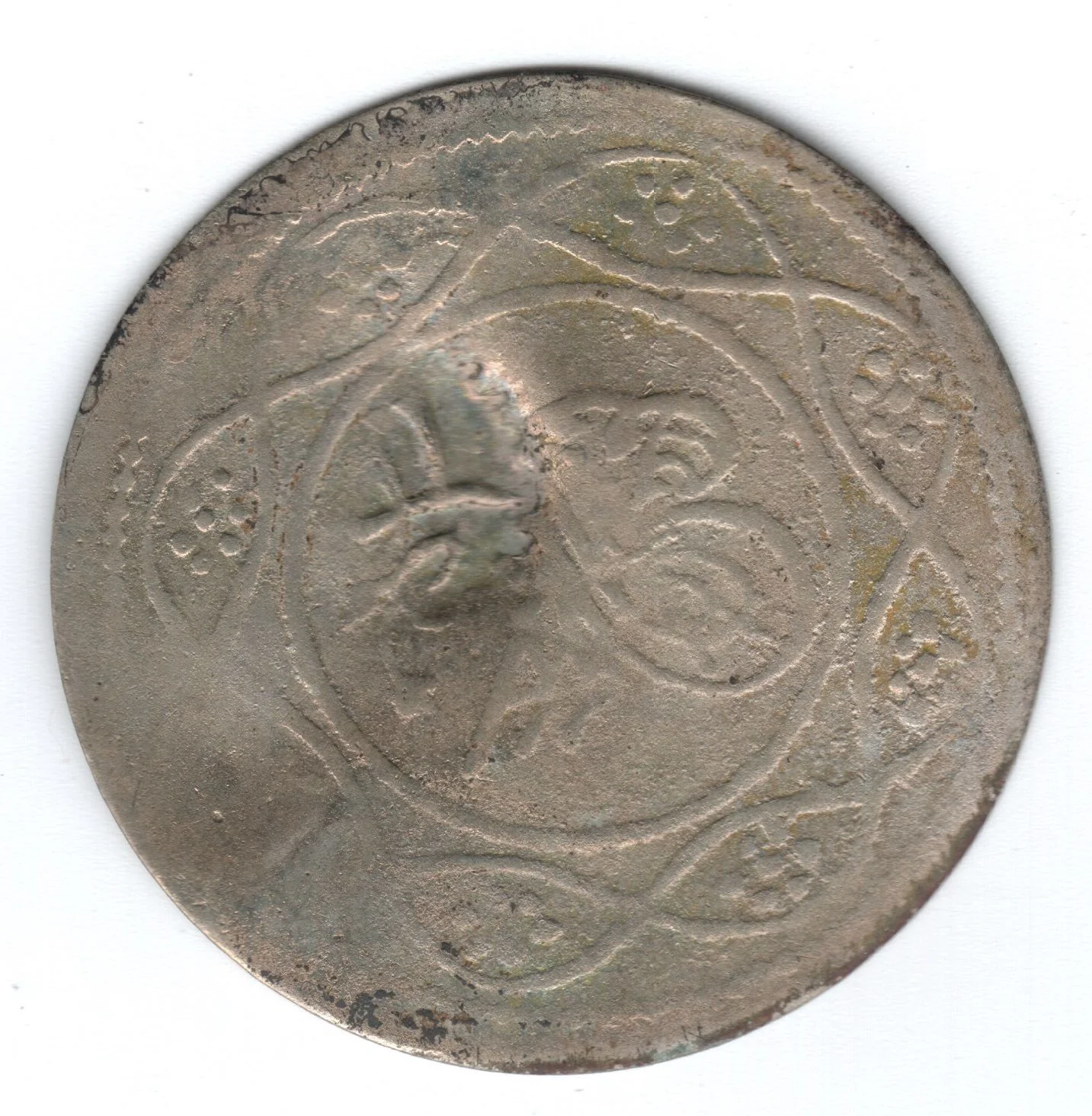
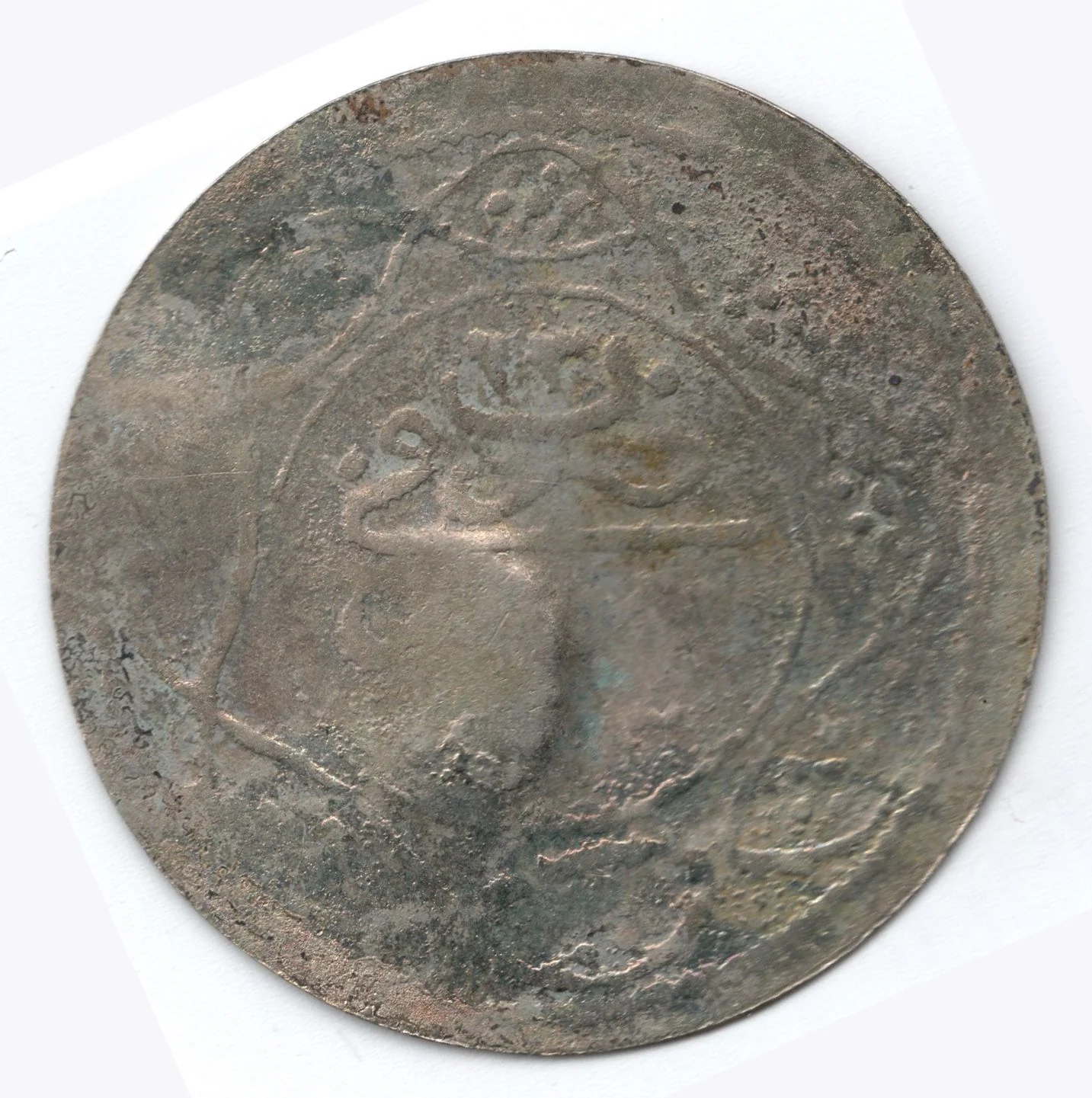
1 Qirsh – Darfur
Sudan
Context
Year: 1905
Islamic (Hijri) Year: 1223
Country: Sudan 
Issuer: Darfur
Ruler: Ali Dinar
Currency:
(1905—1916)
Demonetized: Yes
Material
Shape: Round
Composition: Nickel silver
References
KM: #Click to copy to clipboard3
Numista: #104120
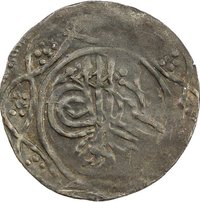
Obverse
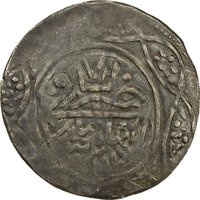
Reverse
Edge
Mintings
| Year | Mint Mark | Mintage | Quality | Collection |
|---|---|---|---|---|
| 1905 | — | — |
Historical background
In 1905, Darfur existed as an independent Sultanate, largely isolated from the formal monetary systems of the neighbouring Anglo-Egyptian Sudan. The region operated on a dual monetary system where traditional barter and commodity currencies coexisted with an influx of foreign coinage. The most widespread traditional currency was the Dahabiya, a gold ounce, alongside transactions conducted in livestock (particularly cattle and camels), sacks of grain, salt bars (amole), and rolls of cotton cloth (takiyya). These commodities were essential for local trade and tribute, reflecting a subsistence and pastoral economy.
However, external currencies were increasingly circulating due to trans-Saharan trade routes and pilgrimage traffic. The primary foreign coin in use was the Austrian Maria Theresa thaler (MTT), a large silver coin minted with the date 1780 that was trusted across Northeast Africa and the Middle East for its consistent silver content. Egyptian gold pounds (guineas) and Ottoman coins also entered the economy, particularly used by merchants, the Sultan's treasury, and for larger commercial transactions. This created a complex exchange environment where values fluctuated based on the intrinsic worth of the metal and local demand.
The currency situation was fundamentally unstable. The scarcity of minted coinage, the bulkiness of commodity money, and the variable rates between gold, silver, and goods hampered larger-scale commerce. There was no formal banking or standardized minting within the Sultanate. This monetary fragmentation mirrored Darfur’s political reality—autonomous but under growing pressure. Just five years later, in 1910, the Sultanate would begin to face direct economic and military pressure from the Anglo-Egyptian Sudan, culminating in its annexation in 1916, which would forcibly integrate Darfur into the official Sudanese pound system and dismantle its traditional currency framework.
However, external currencies were increasingly circulating due to trans-Saharan trade routes and pilgrimage traffic. The primary foreign coin in use was the Austrian Maria Theresa thaler (MTT), a large silver coin minted with the date 1780 that was trusted across Northeast Africa and the Middle East for its consistent silver content. Egyptian gold pounds (guineas) and Ottoman coins also entered the economy, particularly used by merchants, the Sultan's treasury, and for larger commercial transactions. This created a complex exchange environment where values fluctuated based on the intrinsic worth of the metal and local demand.
The currency situation was fundamentally unstable. The scarcity of minted coinage, the bulkiness of commodity money, and the variable rates between gold, silver, and goods hampered larger-scale commerce. There was no formal banking or standardized minting within the Sultanate. This monetary fragmentation mirrored Darfur’s political reality—autonomous but under growing pressure. Just five years later, in 1910, the Sultanate would begin to face direct economic and military pressure from the Anglo-Egyptian Sudan, culminating in its annexation in 1916, which would forcibly integrate Darfur into the official Sudanese pound system and dismantle its traditional currency framework.
✨ Legendary