

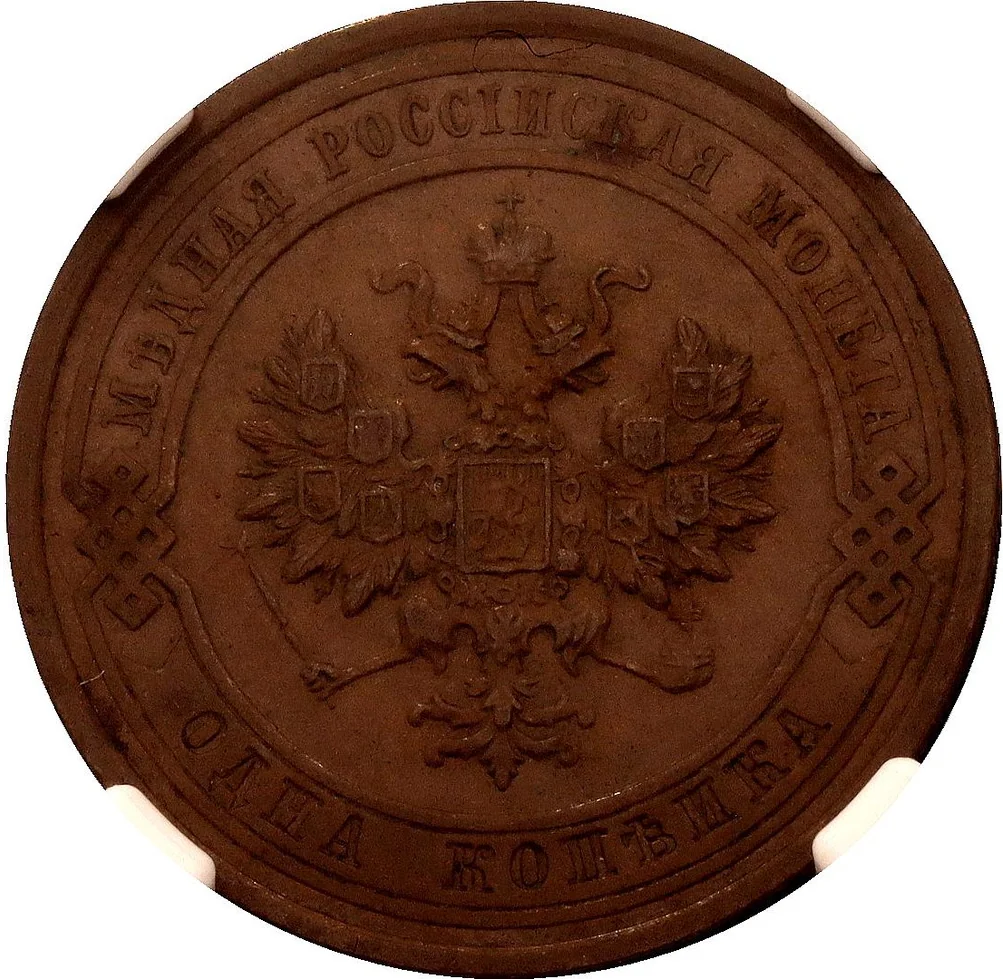
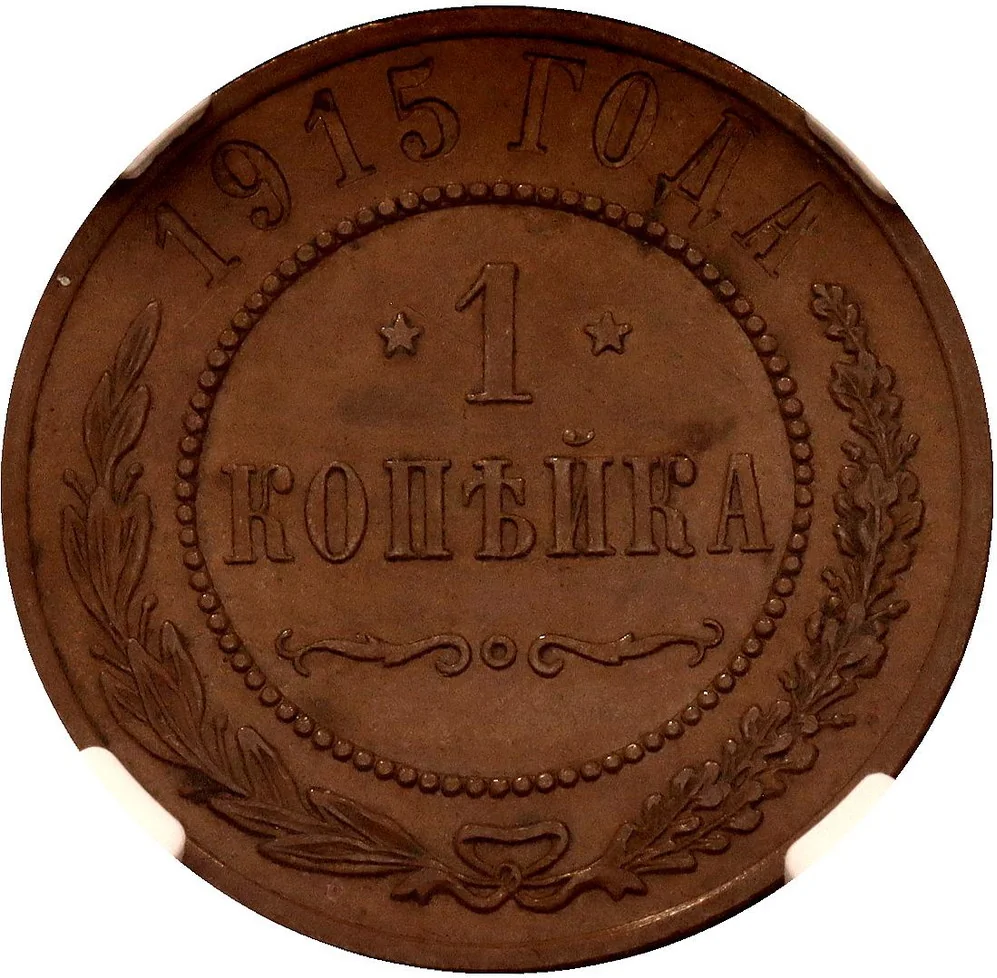
1 kopeck – Russian Empire
Add to wishlist
Russia
Context
Years: 1915–1917
Country: Russia
Issuer: Russian Empire
Ruler: Nicholas II
Currency:
(1700—1917)
Demonetized: Yes
Total mintage: 104,500,000
Material
References
Y: #
Numista: #90230
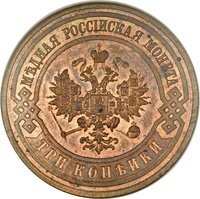
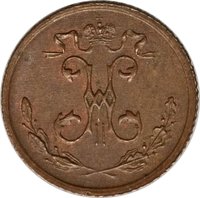
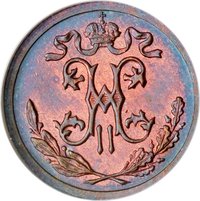
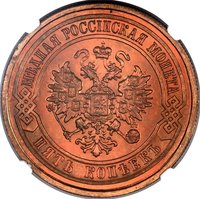
Obverse
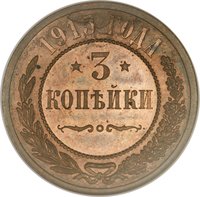
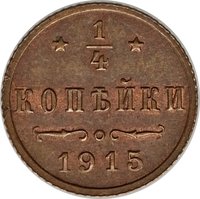
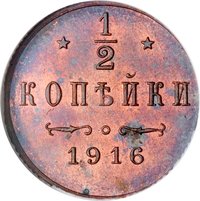
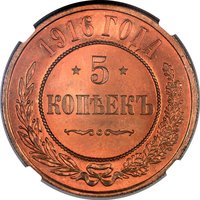
Reverse
Edge
Reeded
Categories
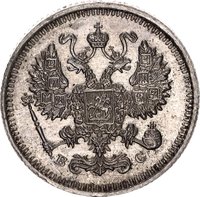
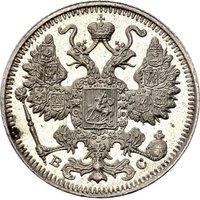
| Symbols> Coat of Arms |
Mints
| Name | Mark |
|---|---|
| Saint Petersburg | — |
Mintings
| Year | Mint Mark | Mintage | Quality | Collection |
|---|---|---|---|---|
| 1915 | — | 58,000,000 | ||
| 1916 | — | 46,500,000 | ||
| 1917 | — | — |
Historical background
By 1915, the Russian Empire’s currency system was under severe and escalating strain due to the pressures of the First World War. The government had abandoned the gold standard in July 1914 to free itself from the obligation to convert paper rubles into gold, allowing for unlimited printing of currency to finance the war effort. This led to a rapid expansion of the money supply, as the State Duma granted the Treasury the right to issue short-term debt ("short-term obligations") that the State Bank treated as cash, effectively monetizing the war debt.
The consequence was a classic inflationary spiral. The volume of paper money in circulation skyrocketed, while the production of consumer goods plummeted as the economy was redirected toward military production. This growing imbalance between money and goods, compounded by transportation crises and rampant speculation, caused prices to soar. The real value of the paper ruble fell dramatically, both domestically and on foreign exchanges, where confidence in Russia's financial stability and its ability to sustain the war was evaporating.
This deteriorating currency situation had profound social and economic repercussions. It eroded the purchasing power of wages, leading to widespread hardship, food shortages, and growing urban discontent. The government’s reliance on the printing press, rather than effective taxation or long-term borrowing, revealed the fragility of its fiscal policy. The inflationary finance of 1915 thus became a critical factor in undermining economic stability, contributing to the social unrest that would culminate in the revolutions of 1917.
The consequence was a classic inflationary spiral. The volume of paper money in circulation skyrocketed, while the production of consumer goods plummeted as the economy was redirected toward military production. This growing imbalance between money and goods, compounded by transportation crises and rampant speculation, caused prices to soar. The real value of the paper ruble fell dramatically, both domestically and on foreign exchanges, where confidence in Russia's financial stability and its ability to sustain the war was evaporating.
This deteriorating currency situation had profound social and economic repercussions. It eroded the purchasing power of wages, leading to widespread hardship, food shortages, and growing urban discontent. The government’s reliance on the printing press, rather than effective taxation or long-term borrowing, revealed the fragility of its fiscal policy. The inflationary finance of 1915 thus became a critical factor in undermining economic stability, contributing to the social unrest that would culminate in the revolutions of 1917.
🌱 Common