

Obverse
Description:
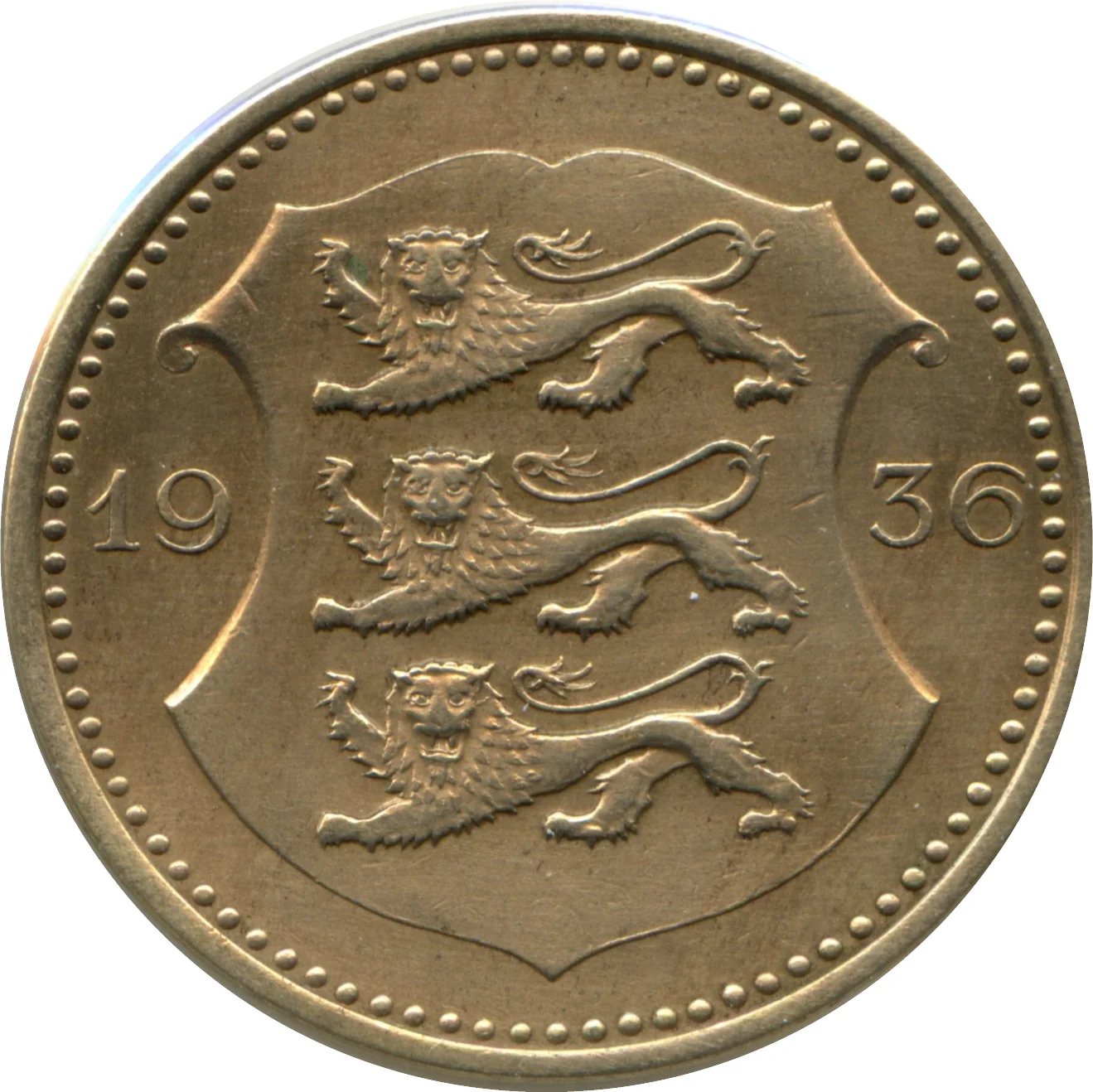
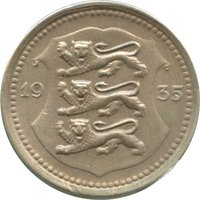
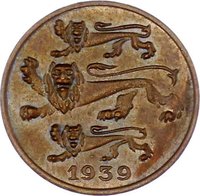
Three lions left in shield above date.
Inscription:
19 36
Script: Latin
Engraver: Georg Vestenberg
Reverse
Description:
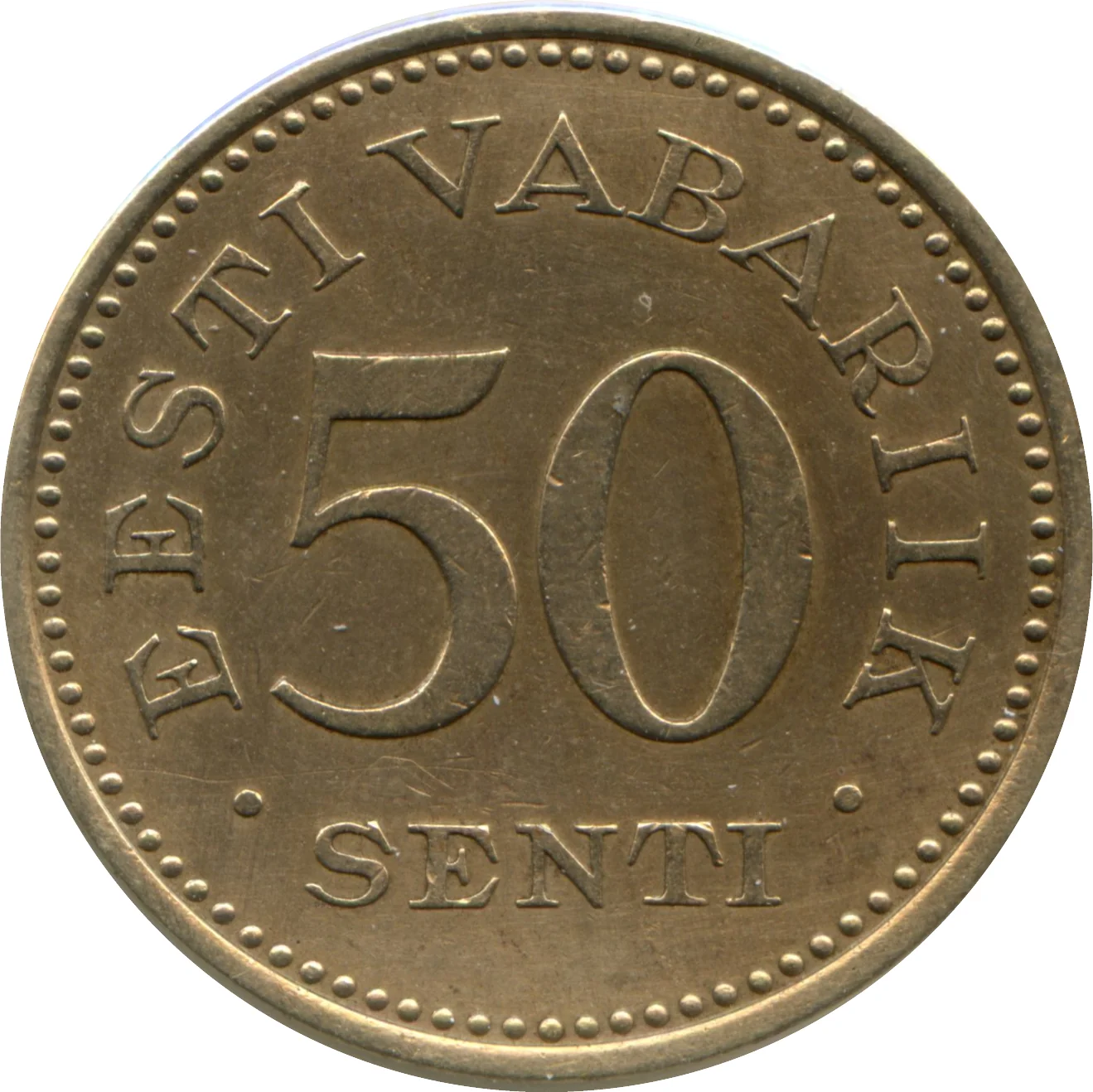
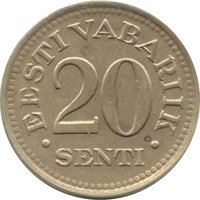
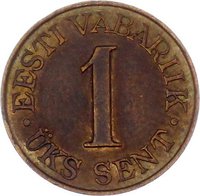
Denomination.
Inscription:
EESTI VABARIIK
50
SENTI
50
SENTI
Translation:
REPUBLIC OF ESTONIA
50
CENTS
50
CENTS
Script: Latin
Language: Estonian
Engraver: Georg Vestenberg
Edge
Plain
Mintings
| Year | Mint Mark | Mintage | Quality | Collection |
|---|---|---|---|---|
| 1936 | — | 2,007,000 |
Historical background
In 1936, Estonia operated under the Estonian kroon (EEK), a currency introduced in 1928 to replace the previous mark, which had been rendered nearly worthless by hyperinflation. This reform, masterminded by Finance Minister Otto Strandman and backed by a substantial gold and foreign exchange reserve, established a gold standard regime. The kroon was pegged at 1 kroon = 0.403226 grams of pure gold, a parity that aligned it directly with the Swedish krona, ensuring remarkable stability and fostering international confidence in Estonia's young economy.
This period represented the zenith of monetary stability for independent interwar Estonia. The fixed exchange rate, disciplined fiscal policy, and the oversight of the independent Bank of Estonia provided a solid foundation for economic growth and investment. The kroon was fully convertible, and its credibility was such that banknotes could theoretically be exchanged for gold, though this right was rarely exercised in practice. This stability stood in stark contrast to the economic turmoil of the early 1920s and the looming uncertainties of the late 1930s.
However, the stability of 1936 existed within a fragile geopolitical context. The global Great Depression had earlier forced many countries off the gold standard, and while Estonia had maintained its peg, it came at the cost of a sharp deflationary period in the early 1930s. Furthermore, the rising tensions in Europe and the expansive policies of neighbouring great powers, particularly Nazi Germany and the Soviet Union, cast a long shadow. Within just a few years, the Soviet occupation of 1940 would abruptly end the independent kroon, replacing it with the Soviet rouble and dismantling the financial system that had been so carefully built.
This period represented the zenith of monetary stability for independent interwar Estonia. The fixed exchange rate, disciplined fiscal policy, and the oversight of the independent Bank of Estonia provided a solid foundation for economic growth and investment. The kroon was fully convertible, and its credibility was such that banknotes could theoretically be exchanged for gold, though this right was rarely exercised in practice. This stability stood in stark contrast to the economic turmoil of the early 1920s and the looming uncertainties of the late 1930s.
However, the stability of 1936 existed within a fragile geopolitical context. The global Great Depression had earlier forced many countries off the gold standard, and while Estonia had maintained its peg, it came at the cost of a sharp deflationary period in the early 1930s. Furthermore, the rising tensions in Europe and the expansive policies of neighbouring great powers, particularly Nazi Germany and the Soviet Union, cast a long shadow. Within just a few years, the Soviet occupation of 1940 would abruptly end the independent kroon, replacing it with the Soviet rouble and dismantling the financial system that had been so carefully built.
🌱 Fairly Common