

1 Rupee – Bombay Presidency
India
Context
Years: 1810–1813
Country: India 
Issuer: Bombay Presidency
Currency:
(1672—1835)
Demonetized: Yes
Total mintage: 2,037,289
Material
References
KM: #Click to copy to clipboard220
Numista: #79775
Value
Bullion value: $32.62
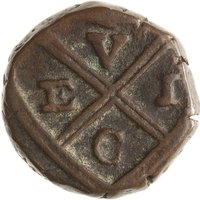
Obverse
Description:
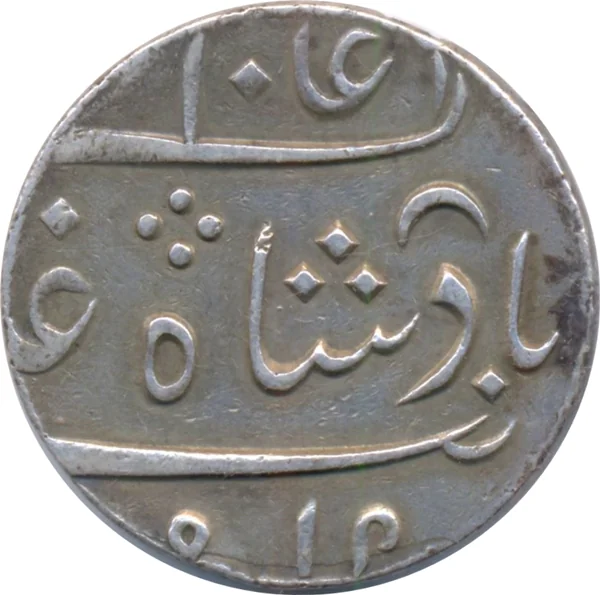
Sikka mubarak, Alamgir.
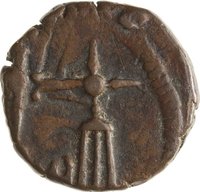
Reverse
Description:
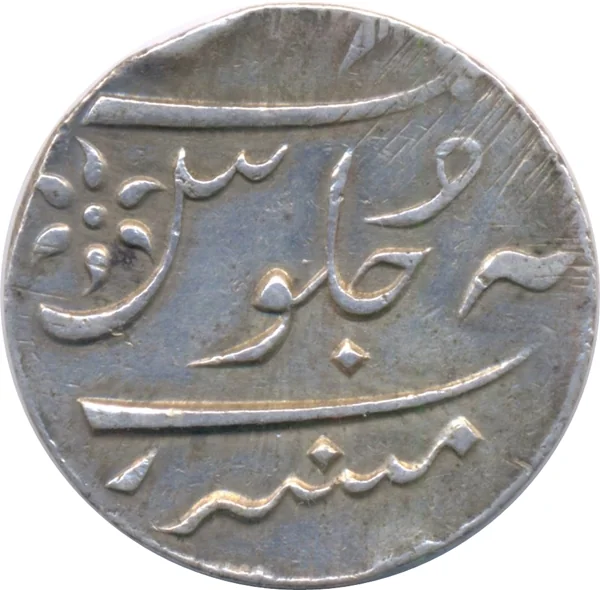
Zarb Mumbai, Sanat Julus, Maimanat Manus
Edge
Plain
Mintings
| Year | Mint Mark | Mintage | Quality | Collection |
|---|---|---|---|---|
| — | — | 2,037,289 |
Historical background
In 1810, the Bombay Presidency was grappling with a complex and chaotic currency situation, a legacy of its diverse political history and economic connections. The region operated without a uniform monetary standard, leading to a circulation of a bewildering variety of coins. These included Mughal-era silver rupees from northern India, gold pagodas from the south, local copper coins (pice), and a significant influx of foreign silver—especially Spanish dollars (also known as pieces of eight) from trade with the Arabian Peninsula and China. This multiplicity created constant difficulties in trade, as merchants and the government had to navigate fluctuating exchange rates and uncertain purity.
The East India Company administration, which controlled Bombay, sought to impose order but faced significant challenges. Their primary silver rupee, the "Bombay rupee," struggled to gain universal acceptance beyond the Presidency's immediate territories. A more successful intervention was the 1809 introduction of the "Company's Rupee," a uniform silver coin intended to gradually replace the myriad older issues. However, in 1810, this reform was still in its early stages, and the older currencies remained dominant in daily transactions, particularly in the hinterland and in trade with princely states.
This monetary fragmentation directly hampered commerce and revenue collection, as values had to be constantly assessed and converted. The Presidency's finances were further strained by the high cost of the ongoing Anglo-Maratha Wars, which increased the demand for reliable specie to pay troops and purchase supplies. Consequently, 1810 represents a pivotal moment of transition, where the Company's drive for a standardized, imperial currency system was actively contesting with the entrenched, heterogeneous monetary traditions of the region, setting the stage for more comprehensive reforms in the decades to follow.
The East India Company administration, which controlled Bombay, sought to impose order but faced significant challenges. Their primary silver rupee, the "Bombay rupee," struggled to gain universal acceptance beyond the Presidency's immediate territories. A more successful intervention was the 1809 introduction of the "Company's Rupee," a uniform silver coin intended to gradually replace the myriad older issues. However, in 1810, this reform was still in its early stages, and the older currencies remained dominant in daily transactions, particularly in the hinterland and in trade with princely states.
This monetary fragmentation directly hampered commerce and revenue collection, as values had to be constantly assessed and converted. The Presidency's finances were further strained by the high cost of the ongoing Anglo-Maratha Wars, which increased the demand for reliable specie to pay troops and purchase supplies. Consequently, 1810 represents a pivotal moment of transition, where the Company's drive for a standardized, imperial currency system was actively contesting with the entrenched, heterogeneous monetary traditions of the region, setting the stage for more comprehensive reforms in the decades to follow.
✨ Legendary