

¼ paisa – Bombay Presidency
Add to wishlist
India
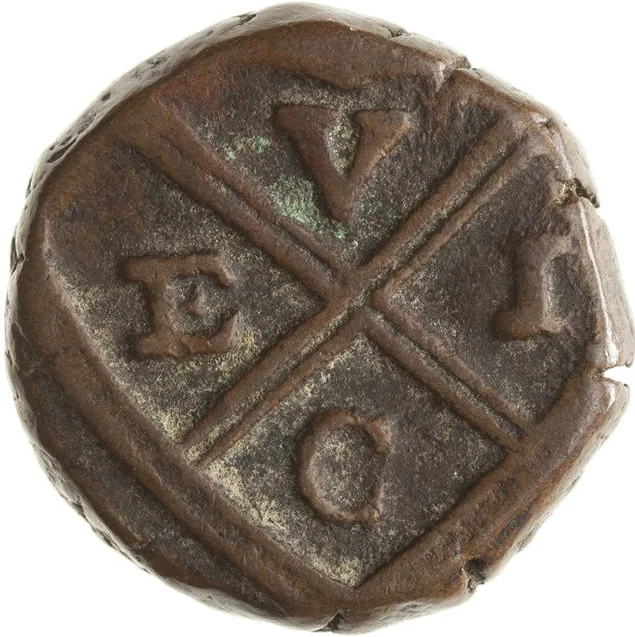
Obverse
Description:
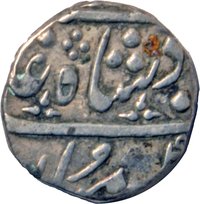
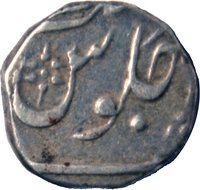
United East India Company, bale mark with date below (mostly off flan). Within a toothed border (usually not visible).
Inscription:
VEIC
Translation:
Come.
Language: Latin
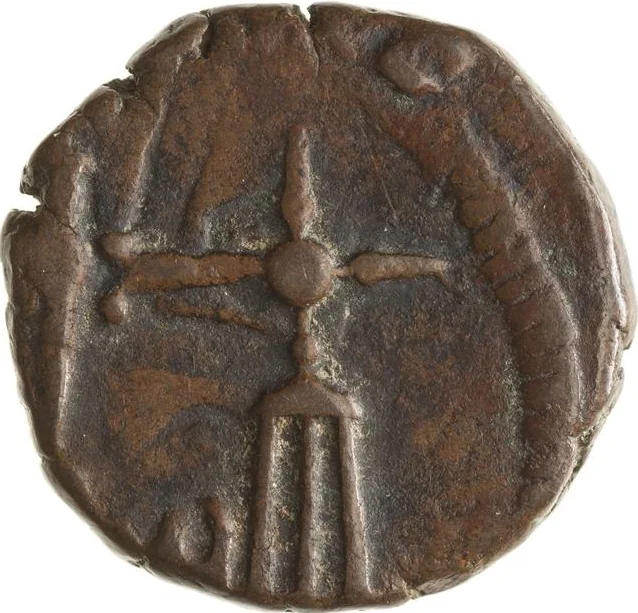
Reverse
Description:
Scales balanced between pans, Persian legend: Adil. Within a toothed border.
Inscription:
عادل
Translation:
Just.
Language: Arabic
Edge
Plain
Mintings
| Year | Mint Mark | Mintage | Quality | Collection |
|---|---|---|---|---|
| 1816 | — | — | ||
| — | — | — | ||
| 1821 | — | — | ||
| 1825 | — | — | ||
| 1826 | — | — |
Historical background
In 1816, the Bombay Presidency operated within a complex and often chaotic multi-currency system, a legacy of its history as a hub for regional and international trade. The official currency of the British East India Company was the silver rupee, primarily the "Bombay Rupee," but its circulation competed with a plethora of other coins. These included older Mughal rupees, coins of various Indian princely states, and a significant volume of foreign silver, especially Spanish dollars (also known as "pieces of eight") and Maria Theresa thalers. The lack of a uniform, trusted standard led to constant problems of valuation, counterfeiting, and exchange rate fluctuations, hampering both commerce and administrative revenue collection.
The Company administration had made attempts at reform, notably by establishing the Bombay Mint in 1672. However, its output was insufficient to dominate the monetary environment. A critical issue was the Presidency's persistent shortage of small-denomination coins (copper pice and dub), essential for daily wage payments and local bazaar trade. This scarcity forced the reliance on fragmented and often debased local coinages or the risky practice of cutting silver rupees into pieces, further undermining monetary stability and public confidence.
This unsatisfactory situation was on the cusp of major change. The period following 1816 would see decisive intervention from the British government. The Coinage Act of 1818, enacted shortly after, began the process of superseding the Bombay Rupee with the more universally recognized "Company Rupee," aligning Bombay's currency with the Bengal standard. This was part of a broader colonial drive towards monetary centralization and uniformity across British India, aiming to streamline administration, secure revenue, and facilitate imperial economic control, ultimately phasing out the eclectic monetary landscape of 1816.
The Company administration had made attempts at reform, notably by establishing the Bombay Mint in 1672. However, its output was insufficient to dominate the monetary environment. A critical issue was the Presidency's persistent shortage of small-denomination coins (copper pice and dub), essential for daily wage payments and local bazaar trade. This scarcity forced the reliance on fragmented and often debased local coinages or the risky practice of cutting silver rupees into pieces, further undermining monetary stability and public confidence.
This unsatisfactory situation was on the cusp of major change. The period following 1816 would see decisive intervention from the British government. The Coinage Act of 1818, enacted shortly after, began the process of superseding the Bombay Rupee with the more universally recognized "Company Rupee," aligning Bombay's currency with the Bengal standard. This was part of a broader colonial drive towards monetary centralization and uniformity across British India, aiming to streamline administration, secure revenue, and facilitate imperial economic control, ultimately phasing out the eclectic monetary landscape of 1816.
💎 Extremely Rare