

⅛ Rupee – Surat
India

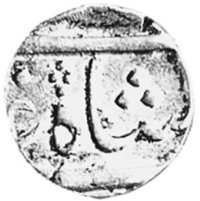
Obverse
Description:
Persian couplet by Shah Alam II.
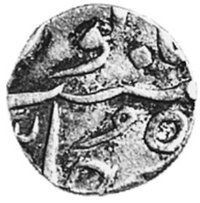
Reverse
Description:
Persian - Julus mint.
Edge
Mintings
| Year | Mint Mark | Mintage | Quality | Collection |
|---|---|---|---|---|
| 1807 | — | — |
Historical background
In 1807, Surat, a once-prosperous port city in western India, found its currency situation deeply entangled with its political decline. The city was under the fractured control of the British East India Company, which managed the castle and its immediate surroundings, and a Mughal-appointed governor who held the town, both extracting revenue while the city's trade dwindled. This political duality was mirrored in a complex monetary system where multiple currencies circulated without a single standard. The dominant silver rupee of the Bombay Presidency was gaining ground, but it competed with a variety of older Mughal and regional coins, as well as foreign currencies from Arab and European traders, leading to confusion and frequent exchange disputes.
The core of the monetary problem was a severe shortage of reliable specie (coin), particularly small-denomination coins for daily transactions. This scarcity crippled local trade and markets, forcing the populace to resort to barter or use heavily debased and fragmented coins. Counterfeiting was rampant, exacerbating the lack of trust in the currency. Merchants and the public faced significant hardship, as noted in contemporary British administrative reports, which described commerce as being "exceedingly embarrassed" by the lack of a sound and uniform medium of exchange.
Recognizing that the chaotic currency was stifling the economy and their own revenue collection, the British authorities in Bombay took decisive action later in 1807. They demonetized a wide range of older, debased coins that were circulating in Surat and introduced a standardized new Surat rupee, minted under Company authority. This reform, while not instantly resolving all complexities, was a pivotal step toward imposing a uniform monetary system. It marked the accelerating transition from Mughal to British fiscal control, using currency as a tool to consolidate power and stabilize the local economy under colonial administration.
The core of the monetary problem was a severe shortage of reliable specie (coin), particularly small-denomination coins for daily transactions. This scarcity crippled local trade and markets, forcing the populace to resort to barter or use heavily debased and fragmented coins. Counterfeiting was rampant, exacerbating the lack of trust in the currency. Merchants and the public faced significant hardship, as noted in contemporary British administrative reports, which described commerce as being "exceedingly embarrassed" by the lack of a sound and uniform medium of exchange.
Recognizing that the chaotic currency was stifling the economy and their own revenue collection, the British authorities in Bombay took decisive action later in 1807. They demonetized a wide range of older, debased coins that were circulating in Surat and introduced a standardized new Surat rupee, minted under Company authority. This reform, while not instantly resolving all complexities, was a pivotal step toward imposing a uniform monetary system. It marked the accelerating transition from Mughal to British fiscal control, using currency as a tool to consolidate power and stabilize the local economy under colonial administration.
✨ Legendary