

50 vatu – Vanuatu
Add to wishlist
Vanuatu
Context
Material
Diameter: 33 mm
Weight: 15 g
Thickness: 2.25 mm
Shape: Round
Composition: Copper-nickel
Technique: Milled
Alignment: Medal alignment
flip
References
KM: #
Numista: #7751
Value
Exchange value: 50 VUV
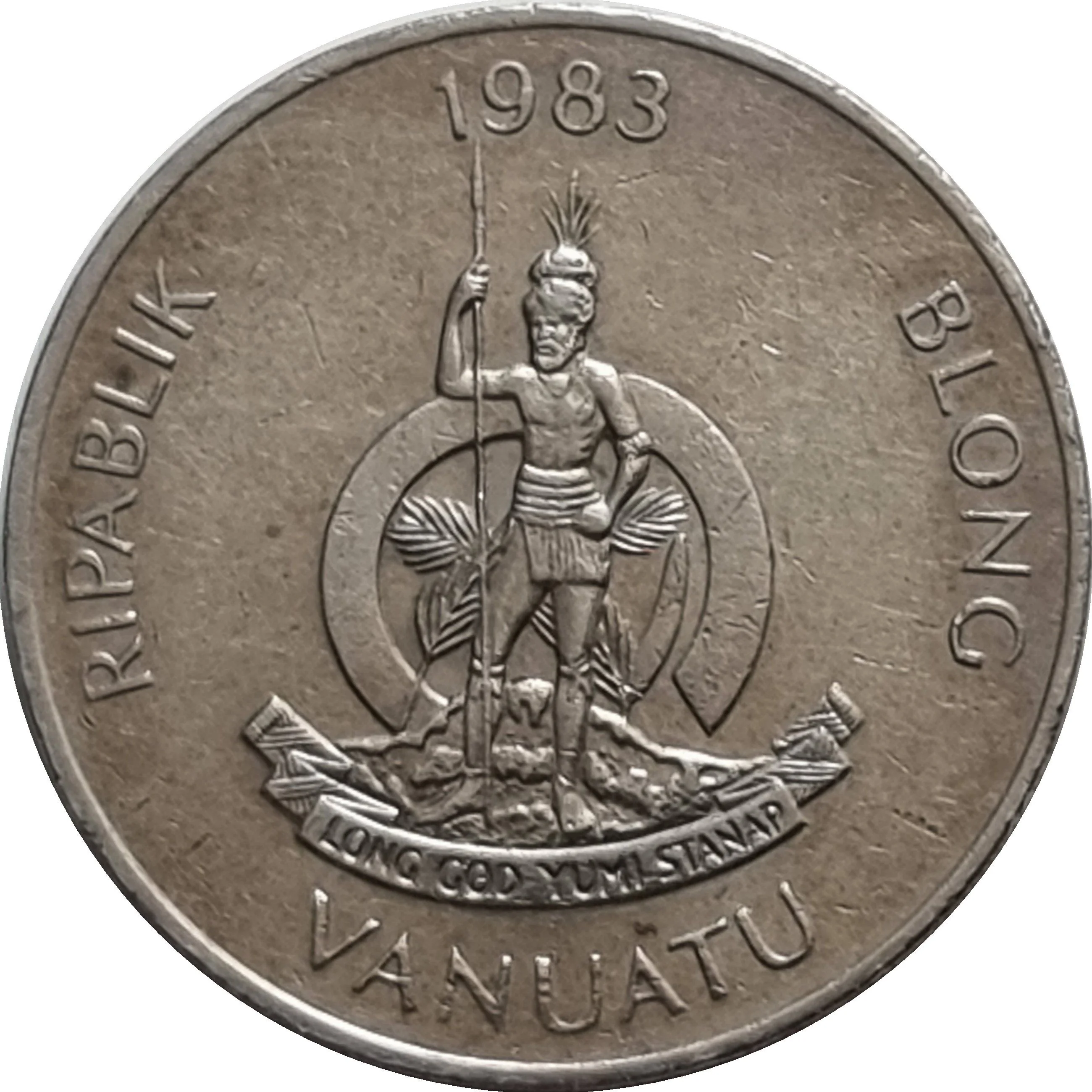
Obverse
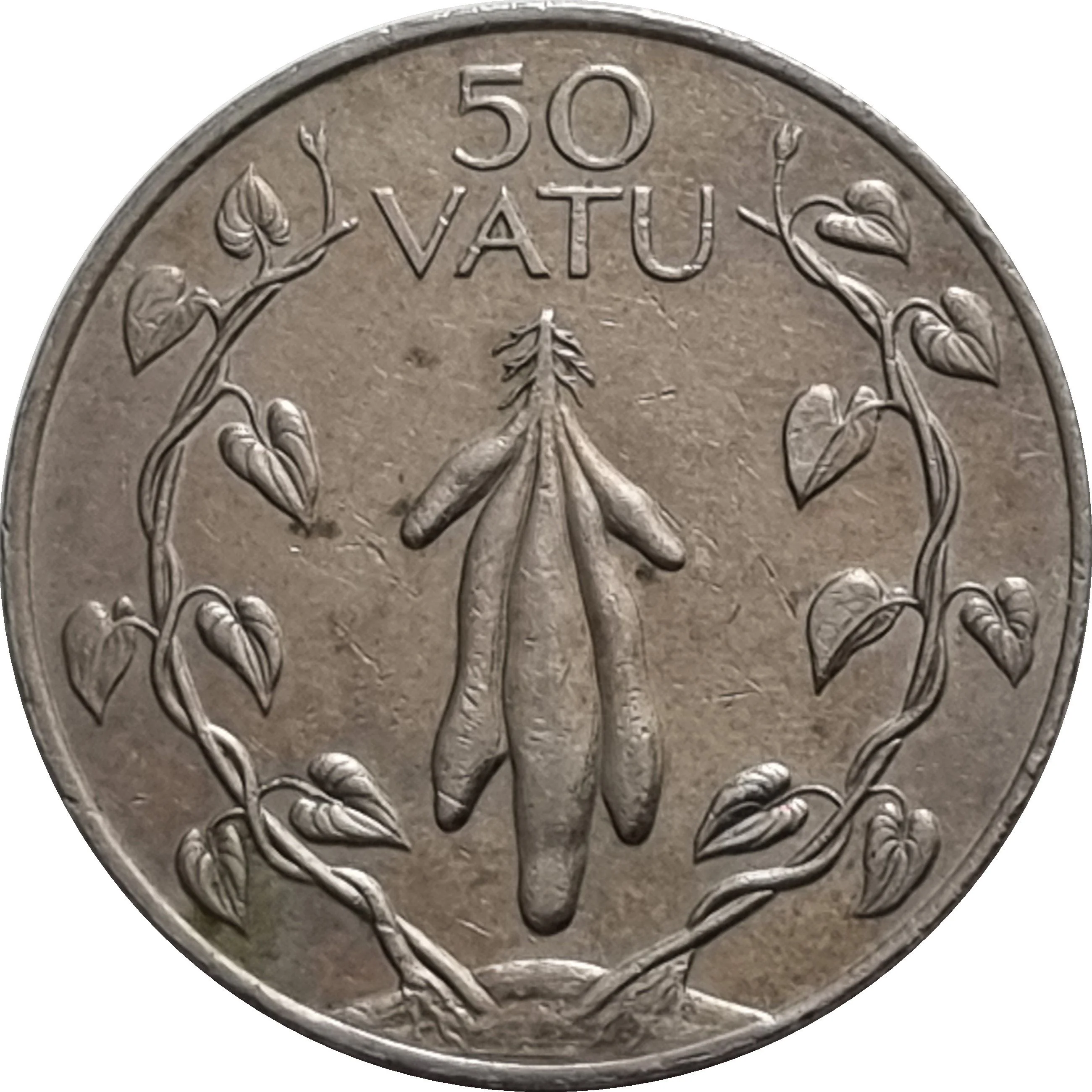
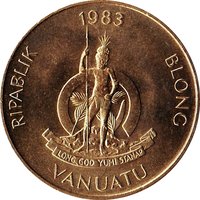
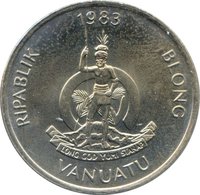
Reverse
Description:
Yam tubers (Dioscorea), a key Vanuatu food crop, with surrounding stems.
Inscription:
50
VATU
VATU
Script: Latin
Edge
Milled
Categories
| Agriculture |
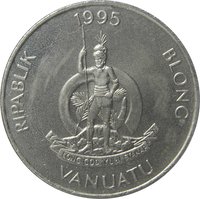
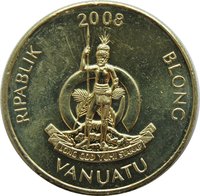
| Symbols> Coat of Arms |
Mints
| Name | Mark |
|---|---|
| Royal Australian Mint | — |
| Royal Mint | — |
Mintings
| Year | Mint Mark | Mintage | Quality | Collection |
|---|---|---|---|---|
| 1983 | — | — | ||
| 1983 | — | — | BU | |
| 1983 | — | — | Proof | |
| 1990 | — | — | ||
| 1995 | — | — | ||
| 1999 | — | — | ||
| 2002 | — | — | ||
| 2009 | — | — |
Historical background
In 1983, the currency situation in Vanuatu was defined by its recent transition from a colonial condominium to an independent nation. Having gained independence from the joint British and French administration (the "Pandemonium") in 1980, the new government faced the immediate task of establishing a sovereign monetary identity. The nation moved swiftly to replace the circulating currencies—the Australian dollar and the New Hebrides franc—with a new national currency, the Vanuatu vatu (VUV), which was introduced in 1981. This was a critical symbolic and economic step in consolidating national sovereignty.
Economically, the early 1980s presented significant challenges for the fledgling vatu. The global recession, coupled with a devastating cyclone in 1985 and a decline in copra prices (a key export), put pressure on the currency and the broader economy. The Vanuatu government, under Prime Minister Walter Lini, pursued a policy of economic nationalism and non-alignment, which included a cautious approach to foreign investment and a focus on agricultural self-reliance. Consequently, the currency was not pegged to any major international currency but was managed with a degree of flexibility, though it remained within the sphere of influence of the Australian dollar due to strong trade and historical ties.
Furthermore, Vanuatu was actively developing its now well-known status as an international financial centre, with legislation for offshore banks and companies passed in the early 1970s and strengthened post-independence. This created a dual dynamic for the currency: a domestic economy facing post-colonial growing pains and external shocks, and a growing offshore financial sector that brought foreign exchange but also complexity. Thus, in 1983, the vatu was a young currency navigating the pressures of building a sustainable domestic economy while the country simultaneously courted a niche role in the global financial system.
Economically, the early 1980s presented significant challenges for the fledgling vatu. The global recession, coupled with a devastating cyclone in 1985 and a decline in copra prices (a key export), put pressure on the currency and the broader economy. The Vanuatu government, under Prime Minister Walter Lini, pursued a policy of economic nationalism and non-alignment, which included a cautious approach to foreign investment and a focus on agricultural self-reliance. Consequently, the currency was not pegged to any major international currency but was managed with a degree of flexibility, though it remained within the sphere of influence of the Australian dollar due to strong trade and historical ties.
Furthermore, Vanuatu was actively developing its now well-known status as an international financial centre, with legislation for offshore banks and companies passed in the early 1970s and strengthened post-independence. This created a dual dynamic for the currency: a domestic economy facing post-colonial growing pains and external shocks, and a growing offshore financial sector that brought foreign exchange but also complexity. Thus, in 1983, the vatu was a young currency navigating the pressures of building a sustainable domestic economy while the country simultaneously courted a niche role in the global financial system.
Series: 1983 Vanuatu circulation coins
🌱 Very Common