

1⁄12 shilling – Jersey
Add to wishlist
Circulating commemorative coins
Commemoration: Liberation of Jersey, 1945
Context
Year: 1954
Country: British Crown dependencies
Issuer: Jersey
Ruler: Elizabeth II
Currency:
(1813—1971)
Demonetization: 27 December 1971
Total mintage: 720,000
Material
References
KM: #
Numista: #7741
Obverse
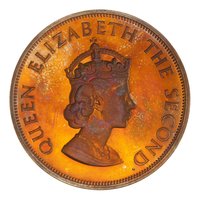
Description:
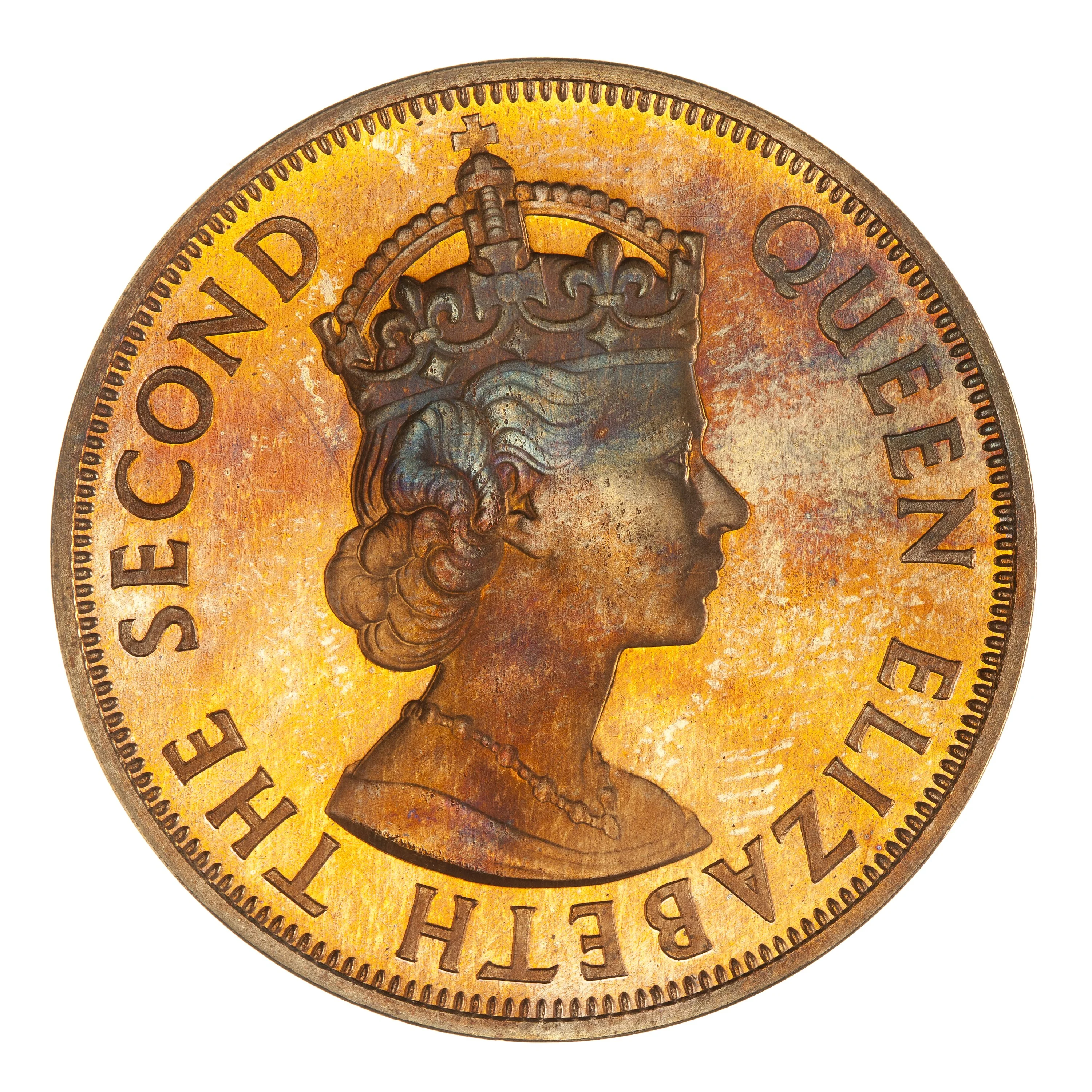
Elizabeth II crowned bust right, with necklace.
Inscription:
QUEEN ELIZABETH THE SECOND
CT
CT
Script: Latin
Engraver: Cecil Thomas
Reverse
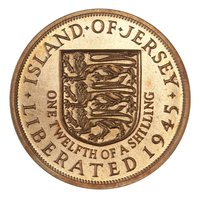
Description:
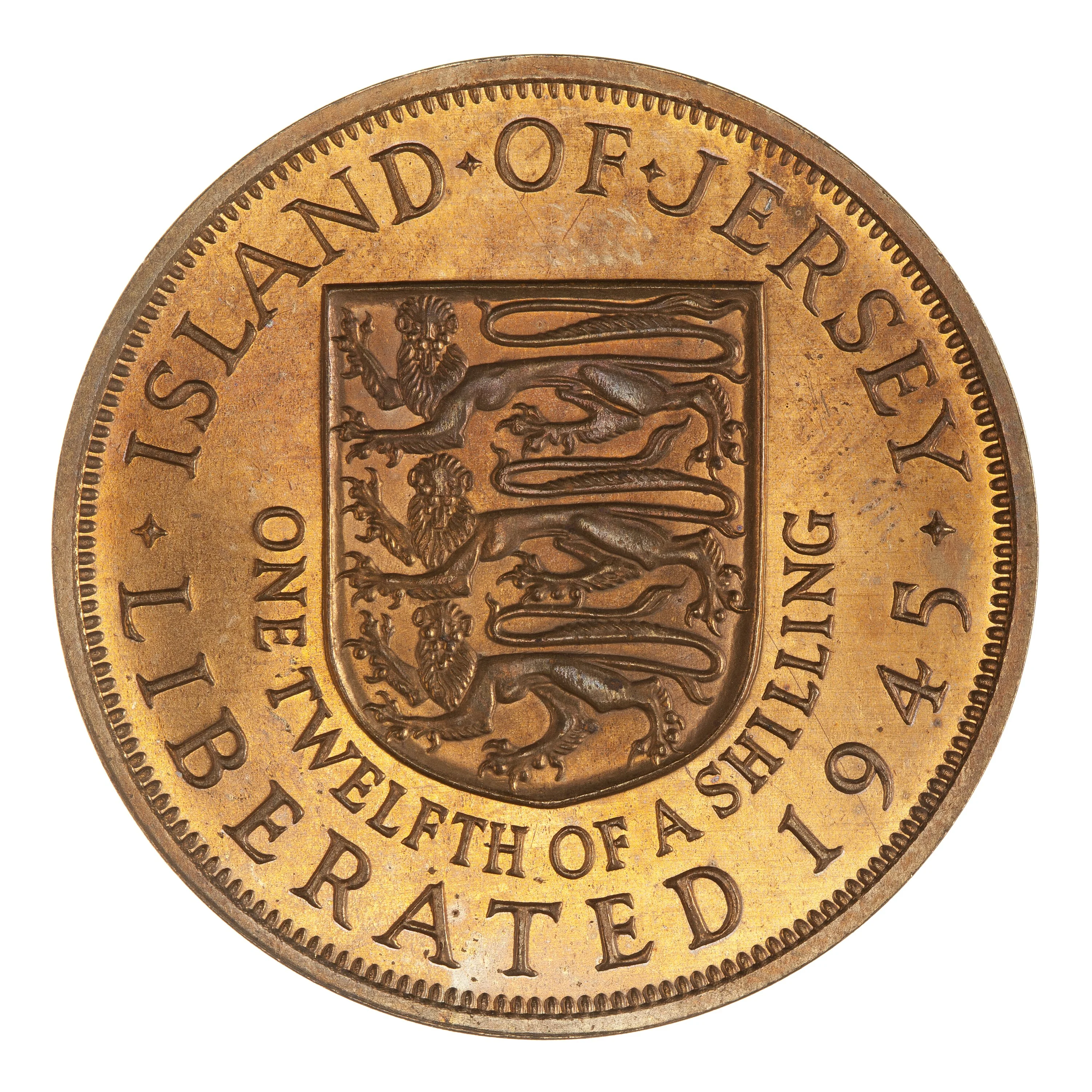
Jersey arms: three lions passant left on shield with legend above and below.
Inscription:
ISLAND·OF·JERSEY
ONE TWELFTH OF A SHILLING
·LIBERATED 1945·
ONE TWELFTH OF A SHILLING
·LIBERATED 1945·
Script: Latin
Engraver: George Kruger Gray
Edge
Plain
Mints
| Name | Mark |
|---|---|
| Royal Mint (Tower Hill) | — |
Mintings
| Year | Mint Mark | Mintage | Quality | Collection |
|---|---|---|---|---|
| 1954 | — | 720,000 | ||
| 1954 | — | — | Proof |
Historical background
In 1954, the currency situation in Jersey was characterised by a practical and stable system, but one that was inherently complex due to the island's unique constitutional position. As a Crown Dependency, Jersey was not part of the United Kingdom and had (and retains) its own right to issue local currency. However, the primary circulating medium was British sterling—Bank of England notes and UK coinage—which remained legal tender and formed the bedrock of everyday transactions. Alongside this, the States of Jersey issued its own distinctive banknotes, which were not legal tender in the UK but were fully convertible and accepted at par with sterling, functioning as a local symbol of fiscal autonomy.
The system operated without a central bank; Jersey's currency was effectively backed by sterling reserves held in London, ensuring a one-to-one parity. This meant the island's monetary policy was essentially an extension of Britain's, with the UK Treasury and Bank of England overseeing the broader financial stability. The local notes, issued in denominations like 10 shillings and £1, served a dual purpose: they met local demand for cash while providing the States with "seigniorage" income—the profit made from issuing currency—which contributed to public revenues.
By the mid-1950s, this arrangement was long-established and functioning smoothly, with no major crisis or change imminent. The economy, still heavily influenced by agriculture and tourism, did not yet face the pressures that would later lead to the decimalisation of sterling in 1971 or the more distinctive designs of modern Jersey currency. Thus, 1954 represents a point of quiet continuity, where Jersey's currency was a hybrid of British imperial practice and cautious local identity, fully integrated into the sterling area yet marked by its own distinctive paper notes.
The system operated without a central bank; Jersey's currency was effectively backed by sterling reserves held in London, ensuring a one-to-one parity. This meant the island's monetary policy was essentially an extension of Britain's, with the UK Treasury and Bank of England overseeing the broader financial stability. The local notes, issued in denominations like 10 shillings and £1, served a dual purpose: they met local demand for cash while providing the States with "seigniorage" income—the profit made from issuing currency—which contributed to public revenues.
By the mid-1950s, this arrangement was long-established and functioning smoothly, with no major crisis or change imminent. The economy, still heavily influenced by agriculture and tourism, did not yet face the pressures that would later lead to the decimalisation of sterling in 1971 or the more distinctive designs of modern Jersey currency. Thus, 1954 represents a point of quiet continuity, where Jersey's currency was a hybrid of British imperial practice and cautious local identity, fully integrated into the sterling area yet marked by its own distinctive paper notes.
🌱 Common