

1 Falus – Iran
Iran
Context
Material
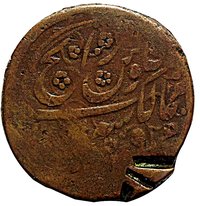
Diameter: 24.8 mm
Weight: 11.53 g
Shape: Irregular round
Composition: Copper
Magnetic: No
Alignment: Medal alignment
flip
References
KM: #Click to copy to clipboard123
Numista: #76300
Obverse
Description:
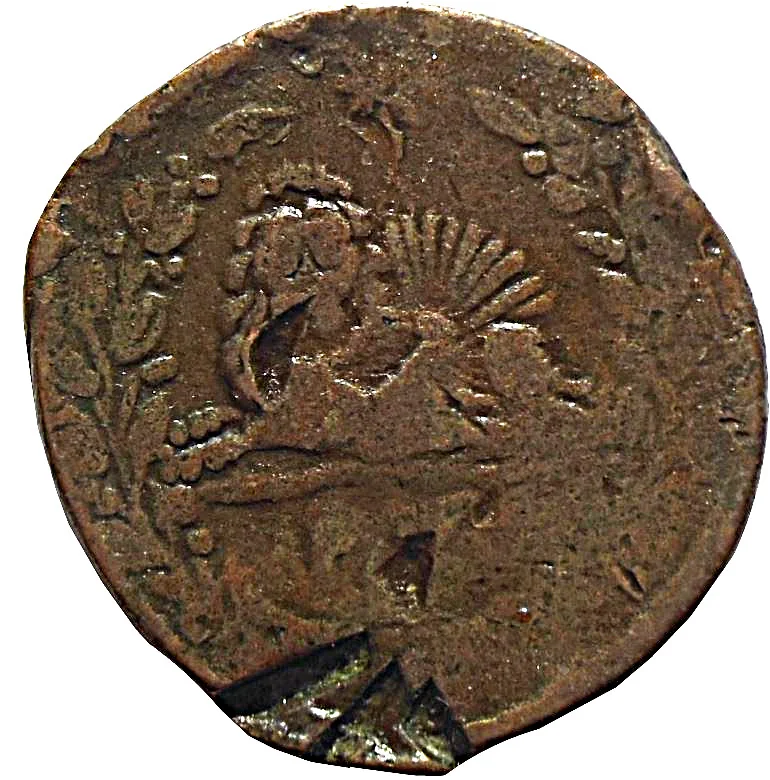
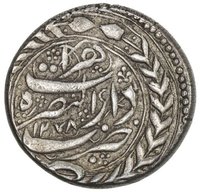
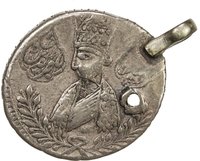
Radiant sun above lion left, holding sword, sprays around. Date below.
Reverse
Description:
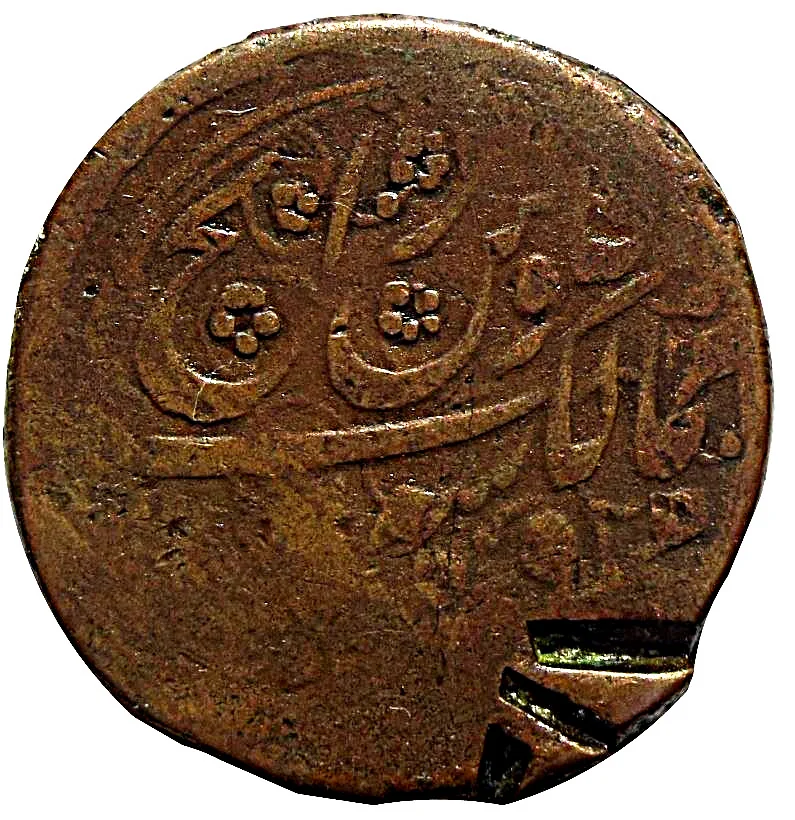
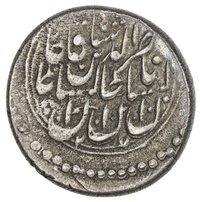
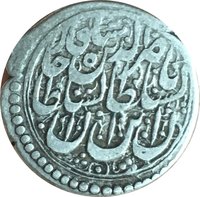
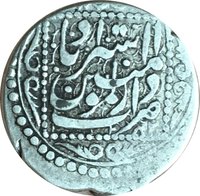
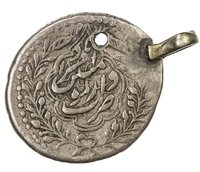
Farsi ruler's autograph.
Edge
Mintings
| Year | Mint Mark | Mintage | Quality | Collection |
|---|---|---|---|---|
| 1857 | — | — | ||
| 1867 | — | — |
Historical background
In 1857, Iran's monetary system was a complex and fragmented reflection of its decentralized Qajar state and its increasing integration into the global economy. The country lacked a unified, modern currency; instead, a bewildering variety of coins circulated. These included the silver qiran (also spelled kran), the copper shahi and dinar, and the gold toman (a unit of account worth 10 qirans). Crucially, the quality, weight, and purity of these coins, many minted in provincial capitals, varied significantly, leading to chronic instability and facilitating widespread fraud. This internal disarray was compounded by the heavy circulation of foreign currencies, particularly Russian rubles and British Indian rupees, in border regions and trade hubs, undermining national monetary sovereignty.
The period was marked by severe inflationary pressures and a dramatic depreciation of the copper coinage, which was the primary currency for everyday transactions among the populace. The Qajar government, perpetually in fiscal crisis due to military expenses, royal extravagance, and costly concessions to foreign powers, frequently resorted to debasement—reducing the silver content of the qiran or striking excessive amounts of copper coins—to finance its deficits. This eroded public trust and caused sharp fluctuations in exchange rates between silver and copper, severely disrupting the bazaar economy and causing hardship for common people whose wages were often paid in depreciated copper.
This monetary chaos directly influenced Iran's foreign relations in 1857. The year marked the conclusion of the Anglo-Persian War with the Treaty of Paris, which required Iran to relinquish claims to Herat. The war had strained the treasury further, and the indemnity negotiations highlighted the complexities of international payments with an unstable currency. The situation underscored to both the Qajar elite and foreign observers, particularly the British and Russians whose rivalries defined Iranian diplomacy, the urgent need for monetary reform. However, substantive centralization and the establishment of a modern banking system would not begin until the founding of the Imperial Bank of Persia by British concession in 1889.
The period was marked by severe inflationary pressures and a dramatic depreciation of the copper coinage, which was the primary currency for everyday transactions among the populace. The Qajar government, perpetually in fiscal crisis due to military expenses, royal extravagance, and costly concessions to foreign powers, frequently resorted to debasement—reducing the silver content of the qiran or striking excessive amounts of copper coins—to finance its deficits. This eroded public trust and caused sharp fluctuations in exchange rates between silver and copper, severely disrupting the bazaar economy and causing hardship for common people whose wages were often paid in depreciated copper.
This monetary chaos directly influenced Iran's foreign relations in 1857. The year marked the conclusion of the Anglo-Persian War with the Treaty of Paris, which required Iran to relinquish claims to Herat. The war had strained the treasury further, and the indemnity negotiations highlighted the complexities of international payments with an unstable currency. The situation underscored to both the Qajar elite and foreign observers, particularly the British and Russians whose rivalries defined Iranian diplomacy, the urgent need for monetary reform. However, substantive centralization and the establishment of a modern banking system would not begin until the founding of the Imperial Bank of Persia by British concession in 1889.
💎 Extremely Rare