

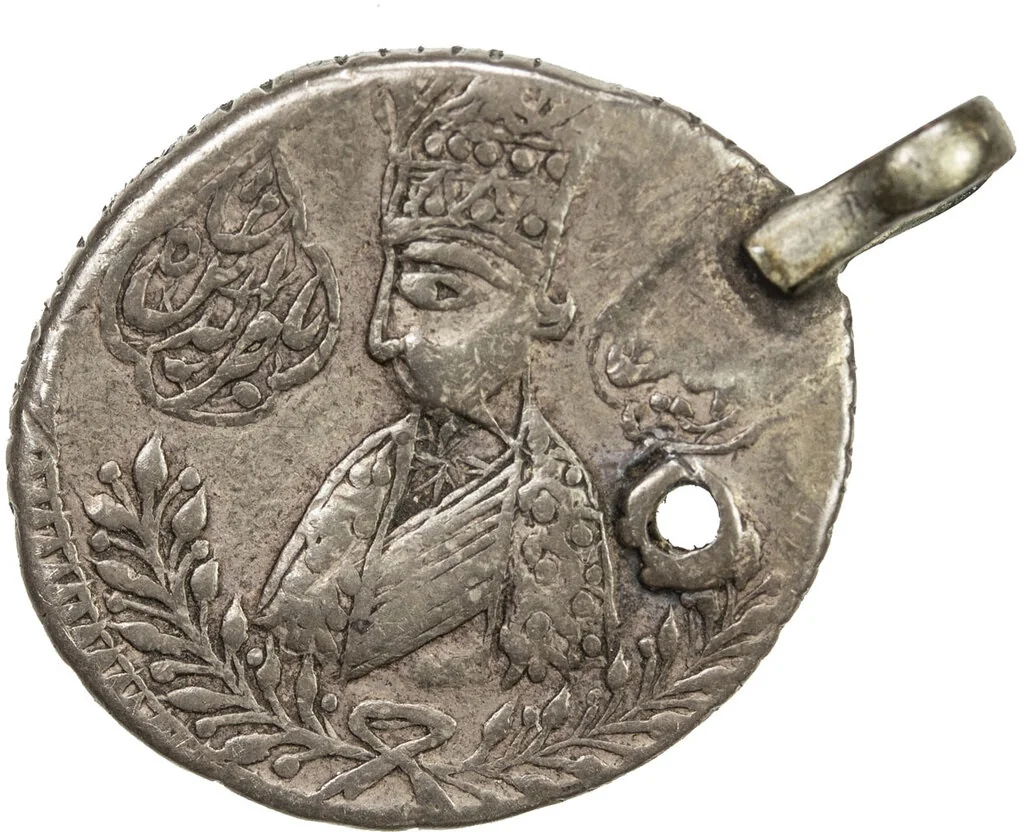
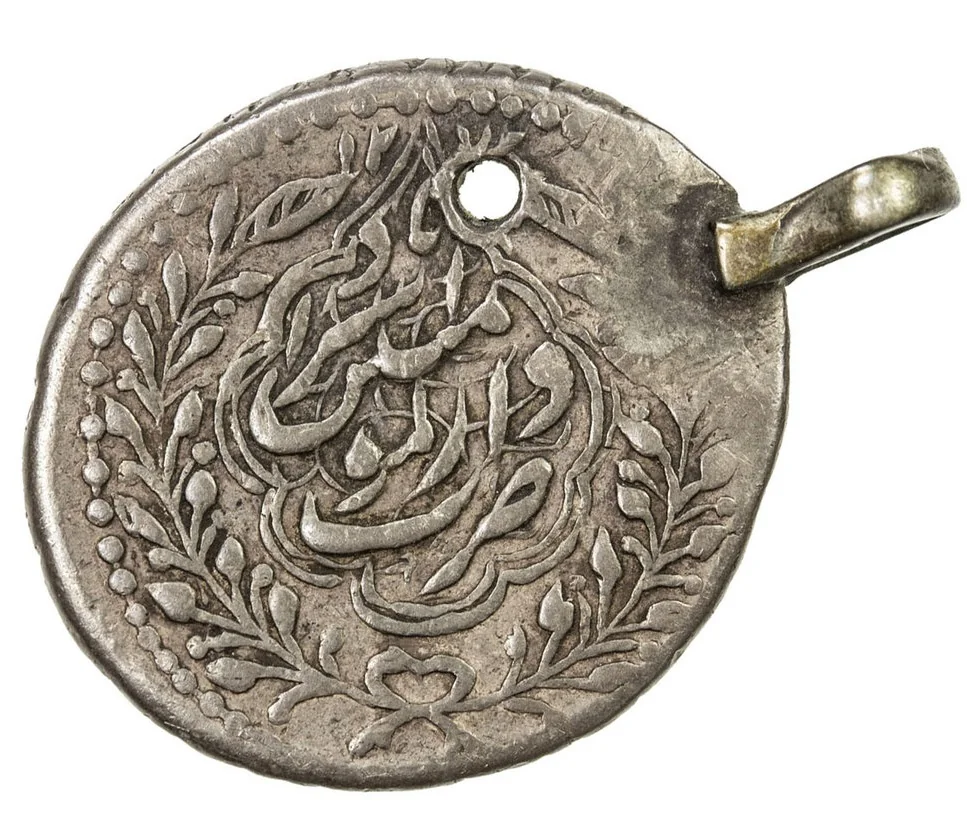
1 Qiran – Iran
Iran
Context
Year: 1856
Islamic (Hijri) Year: 1272
Issuer: Iran 
Ruler: Naser al-Din Shah
Currency:
(1825—1932)
Demonetized: Yes
Material
Weight: 5.38 g
Silver weight: 5.38 g
Shape: Irregular round
Composition: Silver
Magnetic: No
Technique: Hammered
Alignment: Coin alignment
flip
References
Numista: #287191
Value
Bullion value: $15.61
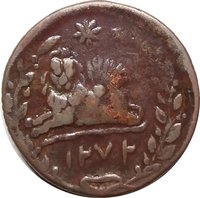
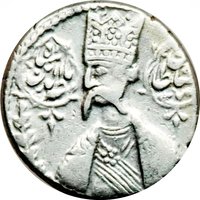
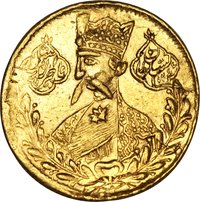
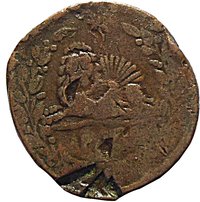
Obverse
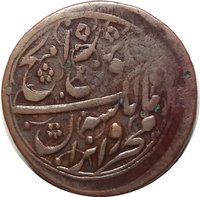
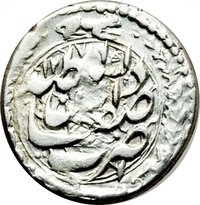
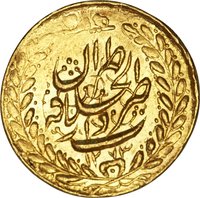
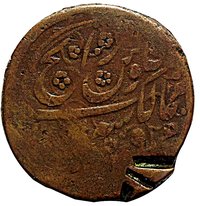
Reverse
Edge
Plain
Mints
| Name | Mark |
|---|---|
| Astarabad | استراباد |
Mintings
| Year | Mint Mark | Mintage | Quality | Collection |
|---|---|---|---|---|
| 1856 | — | — |
Historical background
In 1856, Iran’s monetary system was a complex and fragmented reflection of its pre-modern economy and geopolitical pressures. The primary unit was the silver qiran (also spelled kran), but the currency landscape was a chaotic mix of domestic and foreign coins. Domestically minted silver coins varied widely in weight and purity across different regions and rulers, while a multitude of foreign gold and silver coins, particularly Russian rubles, British Indian rupees, and Ottoman coins, circulated freely, especially in border regions and major trading centers. This lack of standardization created significant challenges for trade and taxation, as exchange rates fluctuated constantly.
The Qajar state, under Naser al-Din Shah (r. 1848-1896), struggled with chronic fiscal weakness, which directly impacted the currency. The government had limited control over the money supply and faced severe budget deficits due to military expenses, court extravagance, and a decentralized tax farming system. To raise revenue, the state frequently resorted to debasement—reducing the silver content in newly minted coins while maintaining their face value. This practice, while providing short-term funds, led to inflation, a loss of public confidence in the currency, and the hoarding of older, purer coins, which further destabilized the economy.
This monetary instability occurred within a critical geopolitical context. Following losses in the Russo-Persian Wars earlier in the century and under growing British and Russian imperial influence, Iran’s economic sovereignty was eroding. The Treaty of Paris, which ended the Anglo-Persian War in 1857, would soon impose a heavy indemnity on Iran, further draining its silver reserves. Thus, in 1856, Iran’s currency system was not only an internal economic problem but also a symptom of its vulnerable position in the face of European imperial pressures, setting the stage for later, unsuccessful attempts at monetary reform.
The Qajar state, under Naser al-Din Shah (r. 1848-1896), struggled with chronic fiscal weakness, which directly impacted the currency. The government had limited control over the money supply and faced severe budget deficits due to military expenses, court extravagance, and a decentralized tax farming system. To raise revenue, the state frequently resorted to debasement—reducing the silver content in newly minted coins while maintaining their face value. This practice, while providing short-term funds, led to inflation, a loss of public confidence in the currency, and the hoarding of older, purer coins, which further destabilized the economy.
This monetary instability occurred within a critical geopolitical context. Following losses in the Russo-Persian Wars earlier in the century and under growing British and Russian imperial influence, Iran’s economic sovereignty was eroding. The Treaty of Paris, which ended the Anglo-Persian War in 1857, would soon impose a heavy indemnity on Iran, further draining its silver reserves. Thus, in 1856, Iran’s currency system was not only an internal economic problem but also a symptom of its vulnerable position in the face of European imperial pressures, setting the stage for later, unsuccessful attempts at monetary reform.
Series: 1856 Iran circulation coins
✨ Legendary