

5000 rials – Iran
Add to wishlist
Circulating commemorative coins
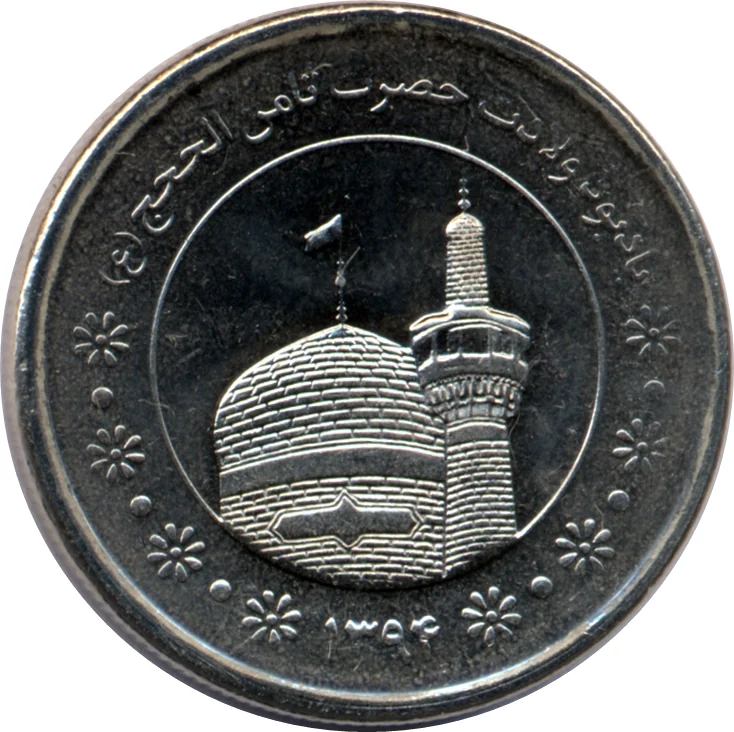
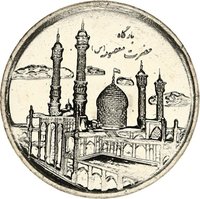
Commemoration: Imam Reza (Ali bin Mousa) Birth year
Iran
Context
Years: 2015–2017
Issuer: Iran
Issuing organization: Central Bank of the Islamic Republic of Iran
Period:
(since 1979)
Currency:
(since 1932)
Material
Diameter: 29.3 mm
Weight: 10.1 g
Thickness: 2.1 mm
Shape: Round
Composition: Nickel brass
Magnetic: No
Technique: Milled
Alignment: Coin alignment
flip
References
KM: #
Numista: #75996
Value
Exchange value: 5000 IRR
Obverse
Description:
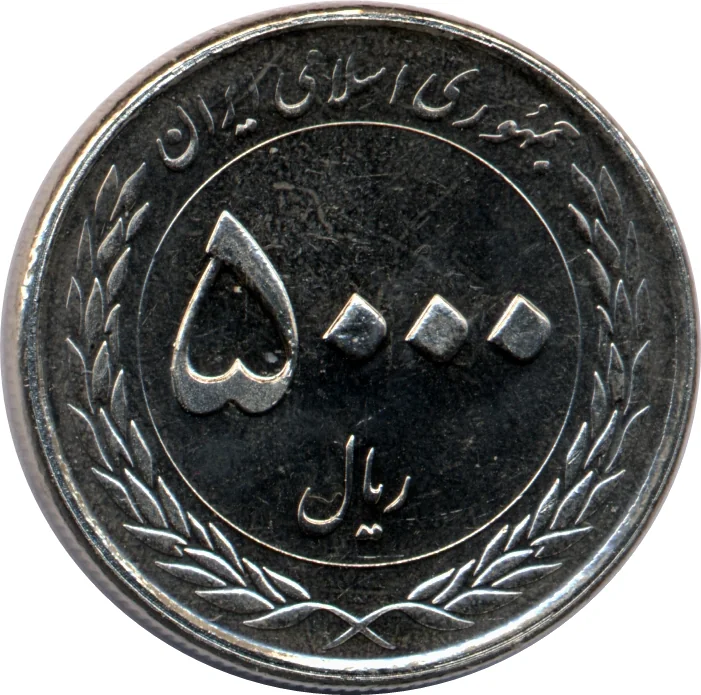
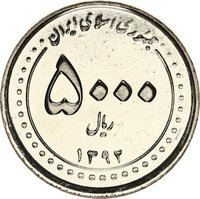
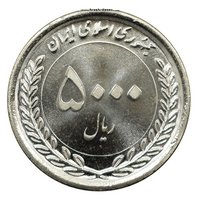
Iran government title. Arabic numeral in circle. Two flanking spikes.
Inscription:
جُمهوری اسلامی ایران
۵۰۰۰
ریال
۵۰۰۰
ریال
Translation:
Islamic Republic of Iran
5000
Rials
5000
Rials
Script: Persian (nastaliq)
Language: Persian
Reverse
Edge
Reeded
Categories
| Building> Religious building |
Mints
| Name | Mark |
|---|---|
| Tehran | — |
Mintings
| Year | Mint Mark | Mintage | Quality | Collection |
|---|---|---|---|---|
| 2015 | — | — | ||
| 2016 | — | — | ||
| 2017 | — | — |
Historical background
By 2015, Iran's currency situation was defined by the severe impact of international sanctions, particularly those targeting its oil exports and financial system enacted by the US and EU in 2011-2012. These measures drastically cut Iran's foreign exchange earnings, leading to a sharp depreciation of the rial. The official exchange rate was fixed by the government at approximately 12,260 rials to the US dollar for priority imports, but a vast and volatile black market rate told the real story, with the rial trading as weak as 35,000 to the dollar at points. This multi-tiered system created significant distortions, corruption, and a shortage of hard currency for ordinary businesses and citizens.
The economic consequences were profound. The currency collapse fueled rampant inflation, which official figures placed around 15% but was widely experienced as much higher in the cost of basic goods. Importers struggled to access dollars, leading to shortages of medicines, manufactured goods, and industrial parts. The government of President Hassan Rouhani, who took office in 2013, made currency stabilization a key priority, using limited reserves to defend the rial and unify the official and black-market rates into a single "reference rate" of about 29,500 rials per dollar in early 2015. This painful devaluation of the official rate was a step toward realism but immediately increased the cost of living.
The backdrop to these measures was the ongoing negotiation of the Joint Comprehensive Plan of Action (JCPOA), finalized in July 2015. The anticipation of a nuclear deal and the potential lifting of sanctions provided a psychological boost, leading to a relative stabilization of the rial in the latter half of the year as the market anticipated the return of Iran to the global financial system and the unfreezing of its overseas oil revenues. Thus, 2015 was a year of transition, marked by the lingering crisis from sanctions and cautious hope for economic relief through diplomacy.
The economic consequences were profound. The currency collapse fueled rampant inflation, which official figures placed around 15% but was widely experienced as much higher in the cost of basic goods. Importers struggled to access dollars, leading to shortages of medicines, manufactured goods, and industrial parts. The government of President Hassan Rouhani, who took office in 2013, made currency stabilization a key priority, using limited reserves to defend the rial and unify the official and black-market rates into a single "reference rate" of about 29,500 rials per dollar in early 2015. This painful devaluation of the official rate was a step toward realism but immediately increased the cost of living.
The backdrop to these measures was the ongoing negotiation of the Joint Comprehensive Plan of Action (JCPOA), finalized in July 2015. The anticipation of a nuclear deal and the potential lifting of sanctions provided a psychological boost, leading to a relative stabilization of the rial in the latter half of the year as the market anticipated the return of Iran to the global financial system and the unfreezing of its overseas oil revenues. Thus, 2015 was a year of transition, marked by the lingering crisis from sanctions and cautious hope for economic relief through diplomacy.
🌱 Common