Logo Title
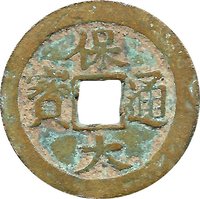
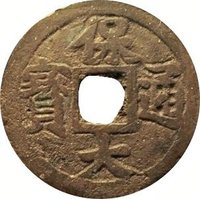
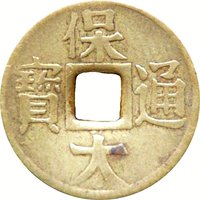
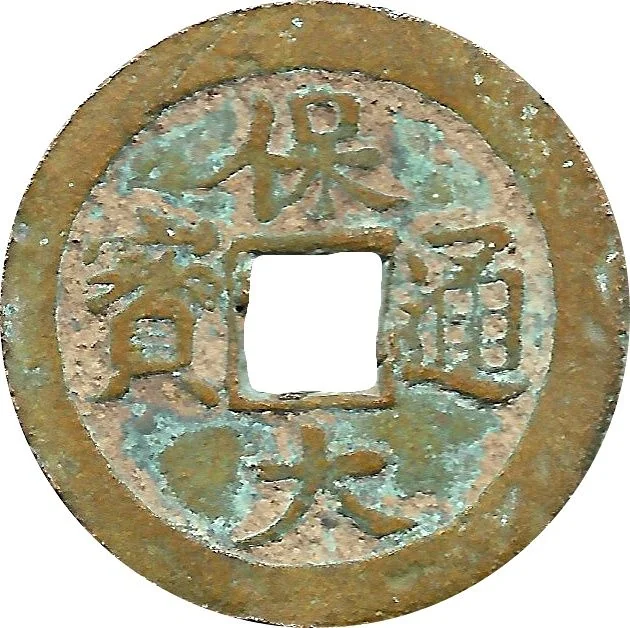
obverse
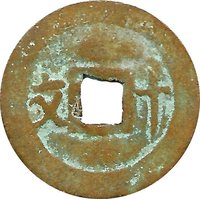
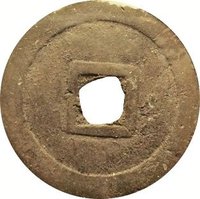
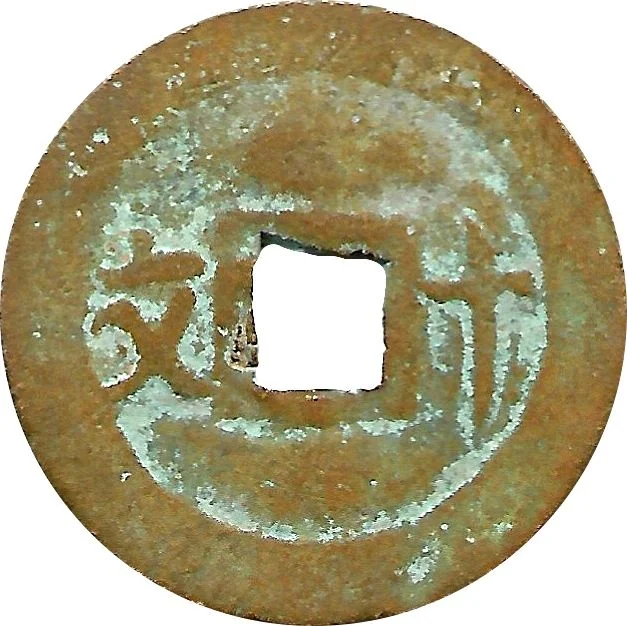
reverse
lektrobal

10 Cash – Empire of Vietnam

Vietnam
Context
Years: 1932–1946
Country: Vietnam Country flag
Demonetized: Yes
Material
Diameter: 26 mm
Weight: 3.83 g
Composition: Brass
Magnetic: No
Technique: Cast
Alignment: Medal alignment
Obverse
OBVERSE ↑
flip
Reverse
REVERSE ↑
References
KM: #Click to copy to clipboard664
Numista: #11313

Obverse

Description:
Four Chinese characters read vertically, right to left.
Inscription:


寶 通

 大
Translation:
Guaranteed Treasure

Circulating Treasure

Great
Language: Chinese

Reverse

Description:
Left and right Chinese ideograms.
Inscription:
十文
Translation:
Ten Wen
Language: Chinese

Edge

Plain

Mintings

YearMint MarkMintageQualityCollection

Historical background

In 1932, the currency situation in the Empire of Vietnam was fundamentally defined by its position within French Indochina. The empire, a nominally independent monarchy under French "protection," did not issue its own sovereign currency. Instead, the economy operated on the French Indochinese Piastre (Đông Dương), a colonial currency issued and controlled by the Banque de l'Indochine, a private French bank with state-granted privileges. This piastre was a hard, silver-backed currency pegged to the French franc at a fixed rate, but its value was notably high relative to regional currencies, which critics argued benefited French export interests at the expense of local economic development.

The year 1932 fell in the depths of the Great Depression, which severely impacted the Indochinese economy. The global collapse in demand for rice and rubber—the colony's primary exports—led to a sharp decline in revenues and widespread deflation. While the high-value piastre provided stability, it also made Indochina's exports more expensive on the world market, exacerbating the economic downturn. Internally, this contributed to falling agricultural prices, increased rural debt, and significant hardship for the Vietnamese peasantry, creating social unrest that would fuel growing nationalist movements.

Thus, the currency landscape was one of colonial imposition and economic strain. Emperor Bảo Đại, who had just returned from France in 1932 to assume full imperial powers, faced these profound economic challenges. However, any monetary or fiscal policy was entirely constrained by French authority. The currency system symbolized the empire's lack of true economic autonomy, functioning primarily to facilitate colonial trade and financial extraction, while its stability was tested by the global economic crisis affecting the populace.
Rare