In 1925, the currency situation in the Empire of Vietnam, then part of French Indochina, was characterized by a complex and hierarchical dual system under full colonial control. The official currency was the French Indochinese Piastre (often called the "Piastre de Commerce"), a silver coin issued by the Bank of Indochina (
Banque de l'Indochine). This piastre was a strong, trade-oriented currency pegged to the French franc at a fixed rate of 1 piastre = 10 francs, and it was used for major transactions, international trade, and government finances. Its value was tied to silver, giving it stability and significant purchasing power across the region.
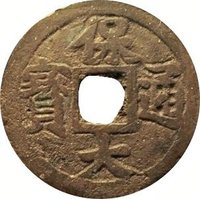
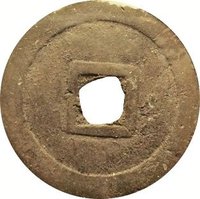
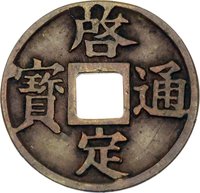
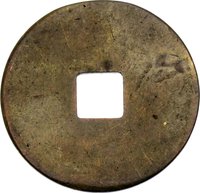
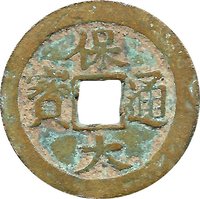
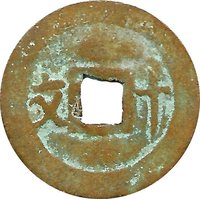
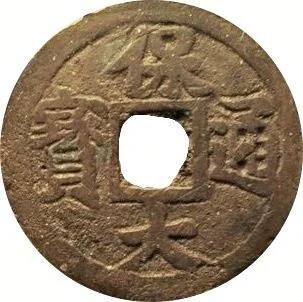
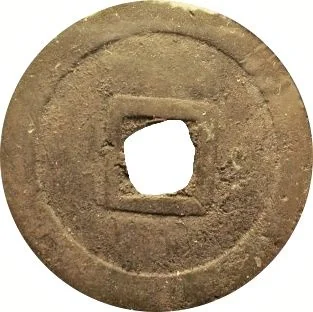
Alongside the piastre, a subsidiary currency of zinc and copper alloy coins, known as
sapèque or
cash, remained in widespread daily use among the local Vietnamese population for small, everyday transactions. These coins had a much lower value, with hundreds or thousands often needed to equal one piastre. This created a two-tiered monetary reality where the French colonial administration and large enterprises operated in piastres, while the majority of the rural populace conducted local market business in
sapèques. The system was managed to benefit the colonial economy, facilitating the export of rice and rubber and ensuring French financial dominance.
Therefore, the currency landscape was not one of national sovereignty but of colonial imposition. The Bank of Indochina, a private French institution, held the exclusive right of note issuance, and there was no distinct "Vietnamese" currency. Emperor Khải Định, who ruled until his death in November 1925, held no real monetary authority. The system effectively integrated Vietnam into the French economic sphere, privileging colonial interests and often exacerbating economic disparities within Vietnamese society through its rigid dual structure.