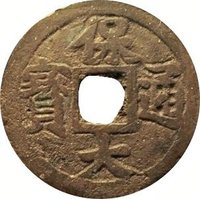
In 1920, the currency situation in the Empire of Vietnam—a term referring to the Nguyễn dynasty under French colonial administration—was characterized by a complex and imposed dual system. The official currency was the French Indochinese Piastre (Đồng in Vietnamese), issued by the Banque de l'Indochine, a private French bank granted the monopoly on currency issuance. This silver-backed piastre was a strong regional currency, pegged to the French franc at a fixed but advantageous rate for the colonial power, facilitating the export of Vietnamese resources and the integration of the local economy into the French imperial trade network.
Alongside this official currency, a traditional system of copper-alloy cash coins, known as
văn or
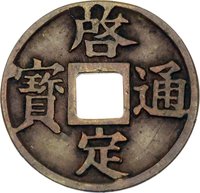
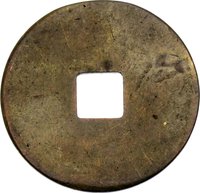
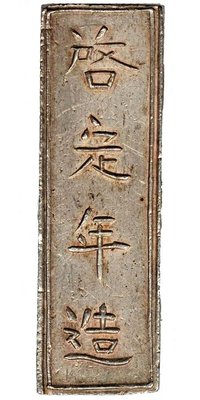
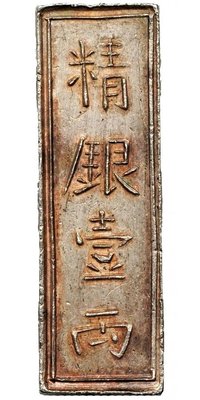
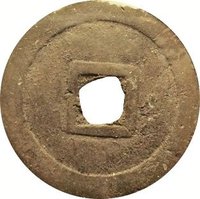
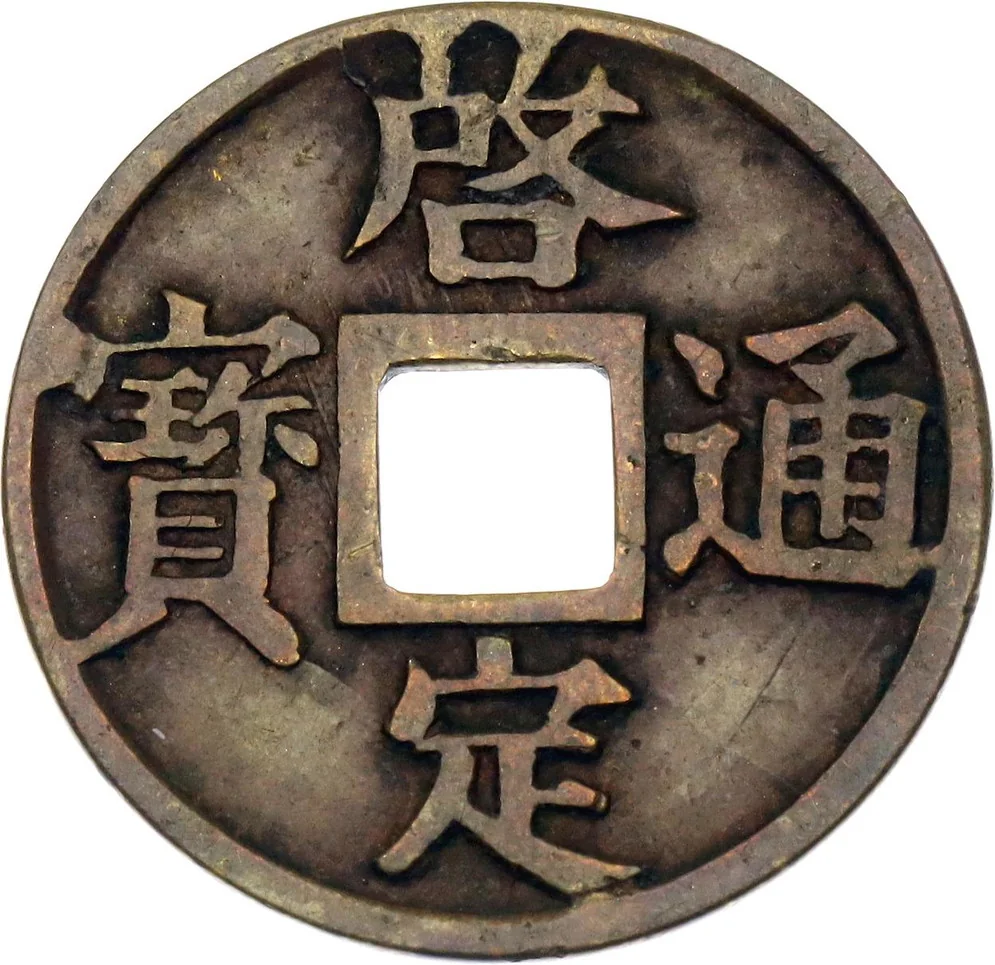
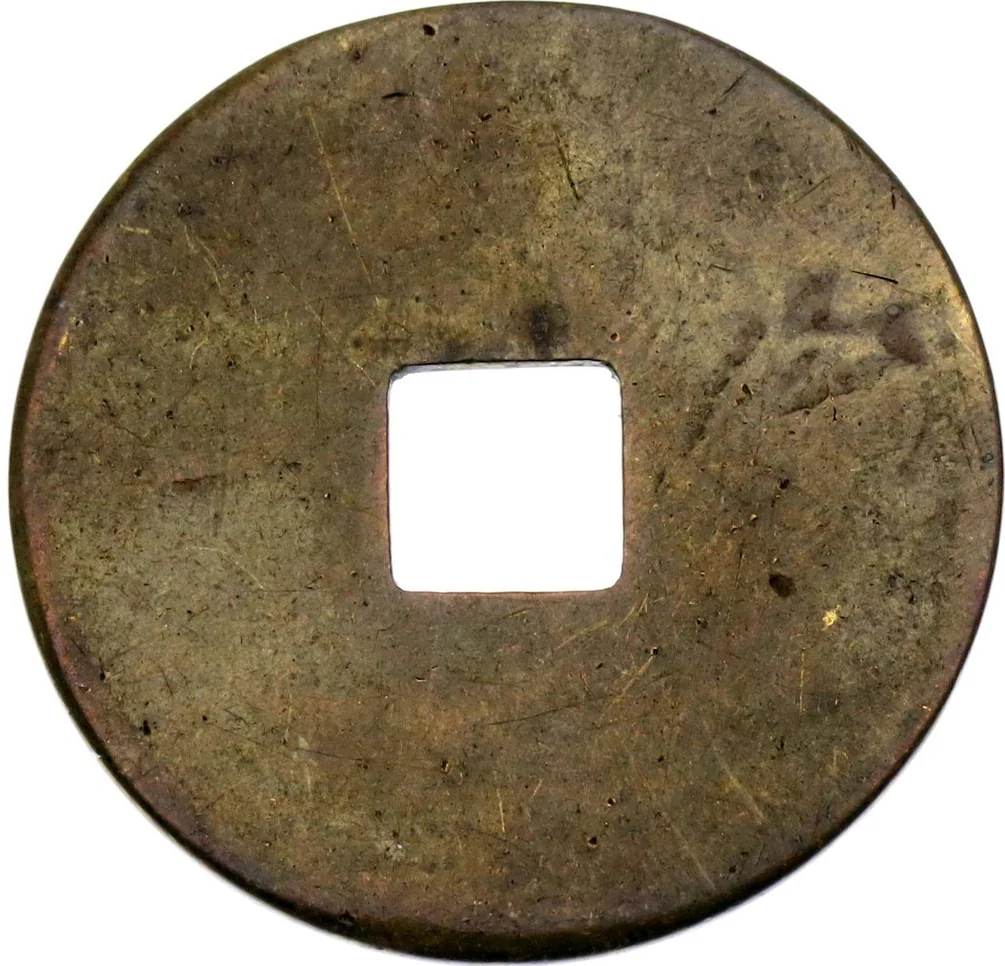
sapèque, remained in widespread daily use among the peasantry for small-scale transactions. These coins, some still bearing the reign titles of Nguyễn emperors like Khải Định, were produced at the imperial mint in Huế but their issuance was controlled by French authorities. This created a hierarchical monetary structure: large-scale commerce, government salaries, and taxes were conducted in piastres, while the rural populace continued to rely on strings of cash coins for local market exchanges, often with fluctuating and unfavorable conversion rates.
The system fundamentally served colonial economic interests, extracting wealth through taxation and trade imbalances. The French administration collected taxes in piastres, compelling farmers to convert their subsistence earnings, creating hardship. Furthermore, the disparity between the high-value silver piastre and low-denomination cash coins reflected and reinforced the social divide between the French colonial elite, the urban merchant class, and the vast rural population. Thus, in 1920, the currency situation was not merely a financial framework but a direct instrument of colonial control and economic exploitation.